


Written and medically reviewed by Joshua A. Stramiello, MD — board-certified otolaryngologist (ear, nose, and throat physician).
Published August 17, 2026 · Last medically reviewed August 22, 2026 · Sources
Quick answer: A safe at-home ear cleaning kit is short: a plain single-oil ear drop (mineral, coconut, or olive) and a soft cloth for the outer ear only. Leave out cotton swabs, ear picks, metal scoops, irrigation bulbs, and ear candles — along with peroxide, carbamide peroxide, and alcohol drops, which tend to dry the canal. Nothing should go into the ear canal, and after water you only need to drain and towel-dry the outer ear. Pain, drainage, bleeding, sudden hearing change, or a blockage that will not clear is a reason to see a doctor rather than reach for a tool.
A bathroom drawer full of cotton swabs, metal picks, and bubbling ear drops can look like an ear-care solution. Often, it is the opposite. A safe ear cleaning kit is less about having more tools and more about choosing a few gentle options that respect how ears naturally work.
Earwax is not dirt. It helps trap dust and debris, supports the skin of the ear canal, and provides a protective barrier against dryness. Most ears gradually move wax outward on their own.1 The goal of at-home care is not to create a perfectly empty ear canal. It is to support comfort while avoiding habits that can push wax deeper, scratch delicate skin, or leave ears feeling dry and irritated.
What a Safe Ear Cleaning Kit Should Include
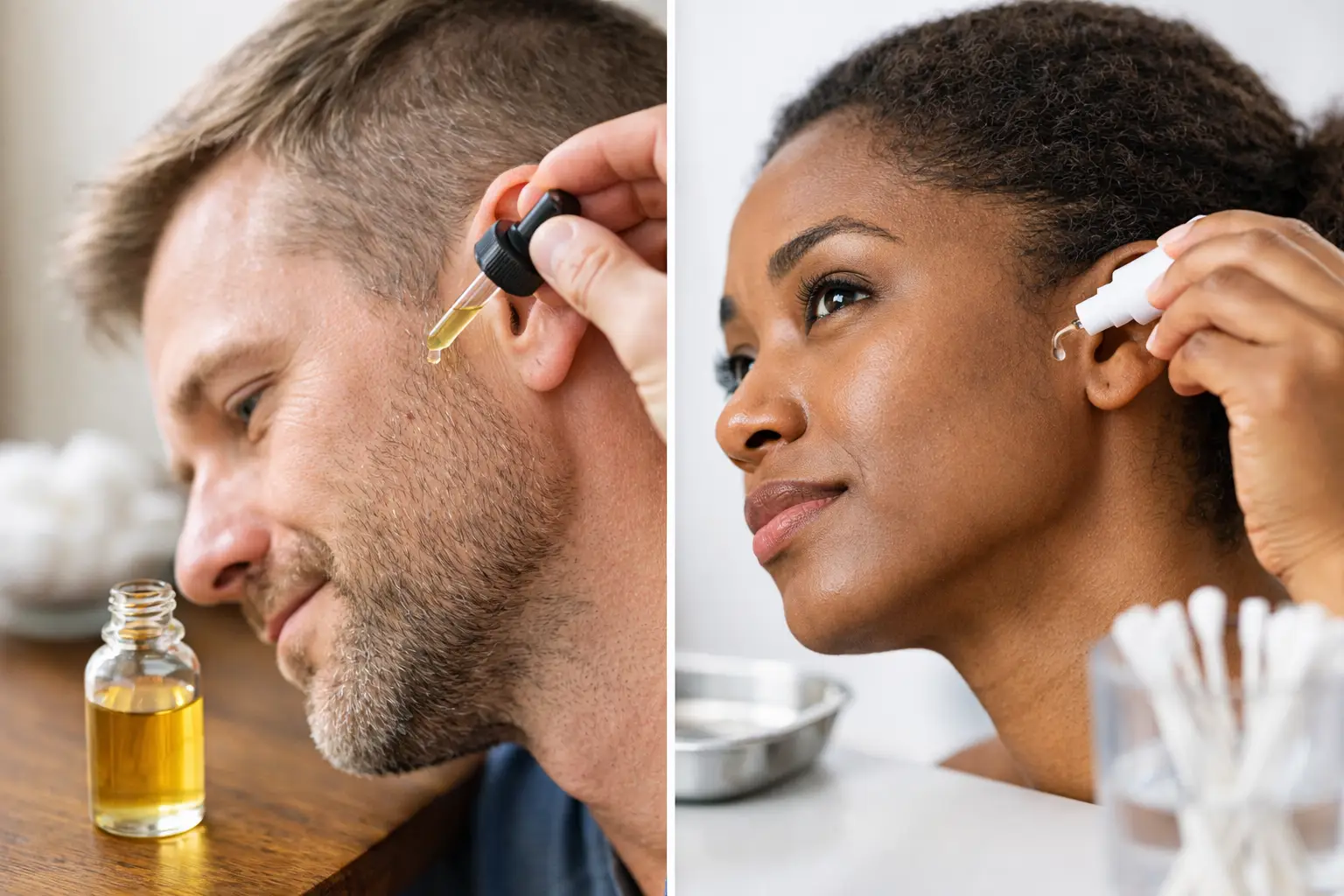
For most people, the safest kit is surprisingly simple: a gentle oil-based ear drop and a soft cloth for the outside of the ear. That is enough for routine comfort care in many everyday situations, including dry-feeling ears, earbuds, hearing aids, sweating, and time in the water.
Mineral oil, coconut oil, and olive oil are gentle options commonly used to soften dry wax and support moisture in the ear canal. Rather than aggressively breaking wax apart, these oils help it stay soft and move naturally over time.1 This is a more comfortable approach for people who notice dry, itchy, or tight-feeling ears.
Safe Ear Care favors straightforward oil drops such as Auil Mineral Oil Ear Drops, Coconut Auil Coconut Oil Ear Drops, and Olive Auil Olive Oil Ear Drops from Oto Anthro. The best choice can come down to personal comfort and ingredient preference. A simple formula matters more than a long list of active ingredients.
Disclosure: Dr. Stramiello is the founder of Oto Anthro (Otolaryngological Anthropology), the company that makes the Auil ear drops shown below, and SafeEarCare.com provides links to Amazon for purchase. That is a material financial relationship, and we disclose it plainly to remain transparent. The clinical guidance here does not change based on what we sell — any plain, purpose-made single oil will do the same job. Full disclosure.


A clean, soft washcloth belongs in the kit too, but only for the outer ear. Wipe the ear that you can see after bathing or swimming. There is no need to insert the cloth into the ear canal.4
What to Leave Out of a Safe Ear Cleaning Kit
The products that seem most dramatic are often the ones worth questioning. Ear canals are narrow, sensitive spaces, and forceful cleaning can create more trouble than it solves.
Cotton swabs are a common example. They may remove a little wax from the entrance of the ear, but they can also compact wax farther inside.2 The same concern applies to metal scoops, ear picks, bobby pins, and other narrow objects. If an object is small enough to go into the ear canal, it is also capable of pushing wax inward or irritating the skin.
Skip home flushing devices, high-pressure water tools, and ear candles as well. Ear candles do not safely remove earwax, and open flame has no place near the ear.4 Water-based flushing can be uncomfortable for some people, particularly when ears already feel dry or irritated.
Safe Ear Care also avoids drops made with hydrogen peroxide, carbamide peroxide, isopropyl alcohol, or other harsh ingredients. These formulas may feel active because they fizz, tingle, or dry quickly, but that sensation is not a sign that ear care is working better. For people prone to dry wax, earbud discomfort, or hearing-aid sensitivity, harsh ingredients can leave the ear canal feeling even less comfortable.
Why Gentle Oil Drops Make Sense
Wax changes with age, environment, and daily habits. Air conditioning, dry weather, frequent earbud use, hearing aids, sweat, and water exposure can all affect how the ear canal feels. Some people produce wax that is dry and flaky. Others notice wax collecting near the opening of the ear after long days with devices in place.
Oil drops are not a quick-cleaning gimmick. Their value is in supporting the ear’s natural process. A small amount of oil can condition dry wax and help reduce the urge to poke, scrape, or repeatedly clean. That matters because overcleaning can start a frustrating cycle: ears feel dry, someone cleans more aggressively, and the irritation becomes more noticeable.
There is a trade-off to keep in mind. Oil is a comfort-focused option, not a tool for every ear concern. If someone feels that hearing has suddenly changed, experiences persistent discomfort, notices drainage, or is unsure whether wax is involved, a qualified healthcare professional can help determine the next step.3 At-home products are best viewed as preventive, everyday support rather than a substitute for an evaluation.
A Simple Routine for Everyday Ear Comfort
A safe approach starts with doing less, not more. After a shower, dry only the outer ear with a towel or soft cloth. If ears tend to feel dry or waxy, use gentle oil drops according to the product directions, then give the ears time to do their normal self-cleaning work.
Avoid checking or cleaning the ear canal every day. Repeated inspection can make people more aware of normal sensations and more likely to reach for a swab. Instead, pay attention to patterns. Do your ears feel dry after swimming? Are earbuds making the canal feel warm or itchy after several hours? Does a hearing aid seem to make wax gather near the entrance of the ear? Those details can help you build a calmer routine.
For swimmers and people who sweat heavily, comfort often depends on what happens after exposure. Gently dry the outer ear and give the ear canal a break from inserted devices when possible. If you use earbuds, clean the earbuds themselves regularly so residue is not repeatedly transferred back to the skin. Hearing-aid users can also benefit from keeping device surfaces clean and allowing the ears occasional device-free time when practical.
Choosing a Kit for Your Situation
There is no single kit that suits every person. Someone dealing with occasional dry wax may only need a mild mineral oil drop and a washcloth. A person who wears earbuds daily may value a simple oil option alongside better device-cleaning habits. For a hearing-aid wearer, the priority may be keeping the outer ear comfortable without adding strongly drying ingredients.
When comparing products, read the ingredient label first. Look for a clear, uncomplicated oil-based formula. Be cautious with claims that promise instant removal, deep cleaning, or dramatic bubbling action. Ear care does not need to feel intense to be useful.
Packaging is worth considering too. A controlled dropper can make it easier to use a small amount without spilling. Choose products with clear directions and avoid sharing droppers between family members. If you are buying for a child, caregiver support and age-appropriate product guidance are especially helpful.
When Not to Rely on a Home Kit
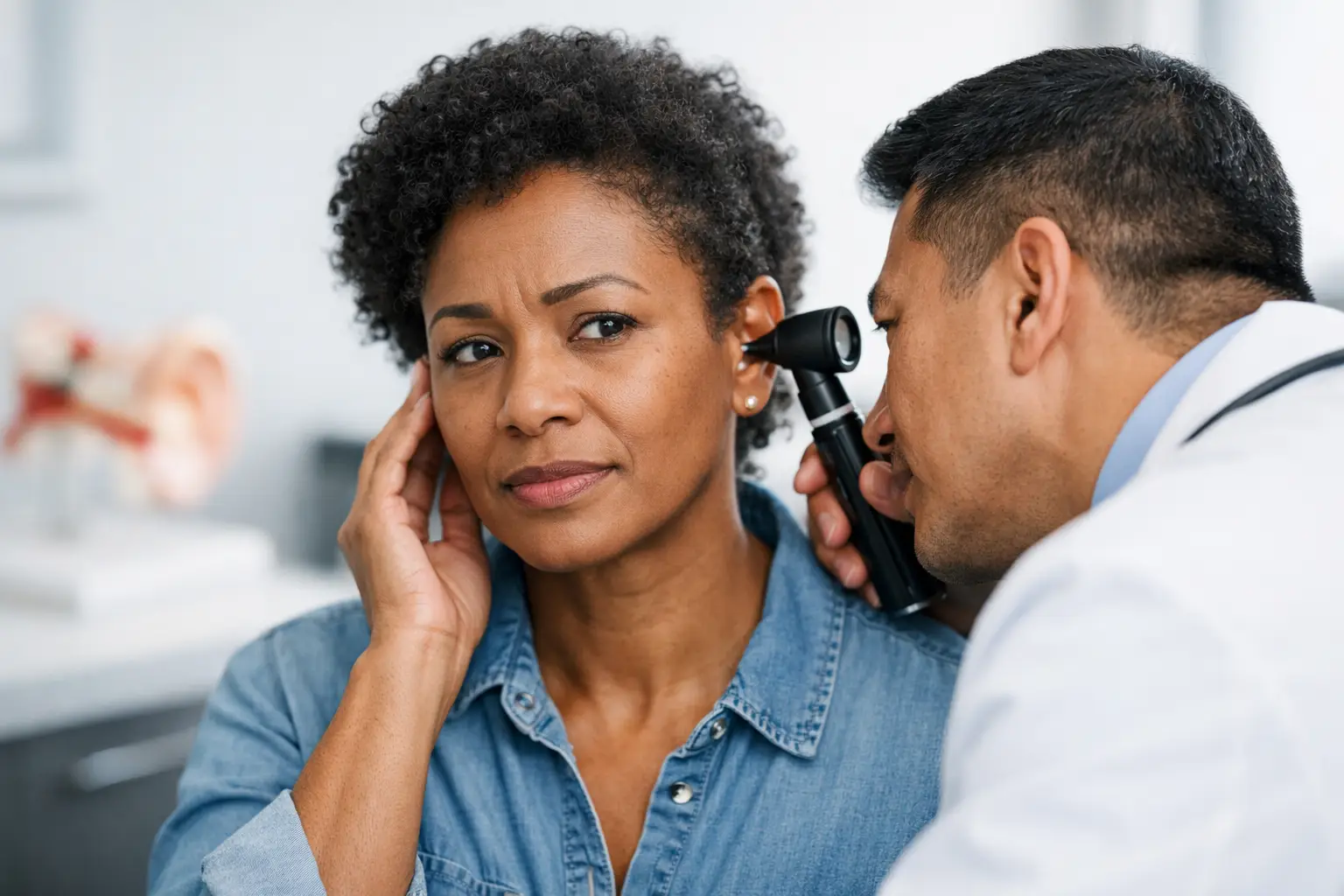
A safe ear cleaning kit has limits, and recognizing those limits is part of good prevention. New or ongoing ear pain, drainage, bleeding, a sudden hearing change, significant dizziness, or a feeling that something is stuck in the ear deserves professional attention.3 The same is true for people with a history of ear procedures or a known eardrum concern.
It is also reasonable to seek guidance when wax seems to be affecting daily hearing or when gentle care has not improved comfort. There is no prize for handling every ear concern at home. A clinician can look inside the ear and help distinguish wax from other causes of discomfort.
The most useful ear-care habit is a patient one. Keep the outer ear clean, choose gentle oil-based moisture when it fits your needs, and resist the urge to dig for wax. Your ears are designed to do much of the work themselves, and giving them that room is often the safest form of care.
Sources
- Schwartz SR, Magit AE, Rosenfeld RM, et al. Clinical Practice Guideline (Update): Earwax (Cerumen Impaction). Otolaryngology–Head and Neck Surgery. 2017;156(1_suppl):S1–S29. American Academy of Otolaryngology–Head and Neck Surgery Foundation.
- National Institute on Deafness and Other Communication Disorders (NIDCD). Why You Shouldn’t Use Cotton Swabs to Clean Your Ears. National Institutes of Health.
- American Academy of Otolaryngology–Head and Neck Surgery. Earwax (Cerumen Impaction). ENThealth.org.
- American Academy of Otolaryngology–Head and Neck Surgery Foundation. Dos and Don’ts of Earwax (patient handout).
About the Author
Written and medically reviewed by Joshua A. Stramiello, MD, board-certified otolaryngologist (ear, nose, and throat physician). Last reviewed August 22, 2026.
Dr. Stramiello earned his Doctor of Medicine at the University of South Florida Morsani College of Medicine, completed his general surgery internship at Vanderbilt University Medical Center, and completed residency in Otolaryngology–Head & Neck Surgery at the University of California, San Diego. He has cared for ENT patients at Dartmouth-Hitchcock, Sanford Hospital, and West Suffolk Hospital in the UK, and his peer-reviewed research spans pediatric otolaryngology, airway surgery, and ear disease (Google Scholar).
The content on SafeEarCare.com is intended for educational purposes only and should not be considered medical advice. It is not a substitute for professional medical advice, diagnosis, or treatment. Always consult your physician or qualified healthcare provider regarding your individual health needs.
Discover more from Safe Ear Care
Subscribe to get the latest posts sent to your email.