


Written and medically reviewed by Joshua A. Stramiello, MD — board-certified otolaryngologist (ear, nose, and throat physician).
Published June 29, 2026 · Last medically reviewed August 6, 2026 · Sources
Quick answer: Q-tips push earwax deeper, scratch the delicate canal skin, and can even perforate an eardrum with one slip. They remove protective wax the ear needs, creating a cycle of dryness and irritation — clean only the visible outer ear with a soft washcloth instead.
You usually know the moment it happens – that quick jab, the sudden tenderness, or the strange feeling that your ear is now more blocked than before. Q tips ear damage risks are easy to underestimate because cotton swabs feel soft, familiar, and harmless. But inside the ear canal, even a gentle swab can create problems that are much harder to fix than the original itch or wax concern.
That mismatch is what catches so many people off guard. A product that seems clean and precise can actually push earwax deeper, irritate delicate skin, and in some cases injure the eardrum. For everyday ear care, the safest approach is usually less intervention, not more.
Why q tips ear damage risks are real
The outer ear canal is lined with thin, sensitive skin. It is not built for repeated scraping, rubbing, or probing. Cotton swabs may look soft, but the tip still creates friction, and the stick behind it adds pressure in a very small space.
When people use Q-tips, they are often trying to solve one of three things – visible wax, an itchy sensation, or the feeling of fullness. The problem is that swabs rarely remove wax in a useful way from deeper in the canal. More often, they move some wax out but press the rest inward, where it can collect closer to the eardrum.1
That is one reason ear specialists warn against putting anything into the ear canal.2 The risk is not only a dramatic injury. It is also the slow build of irritation and compacted wax from a habit that feels minor.
What can actually go wrong
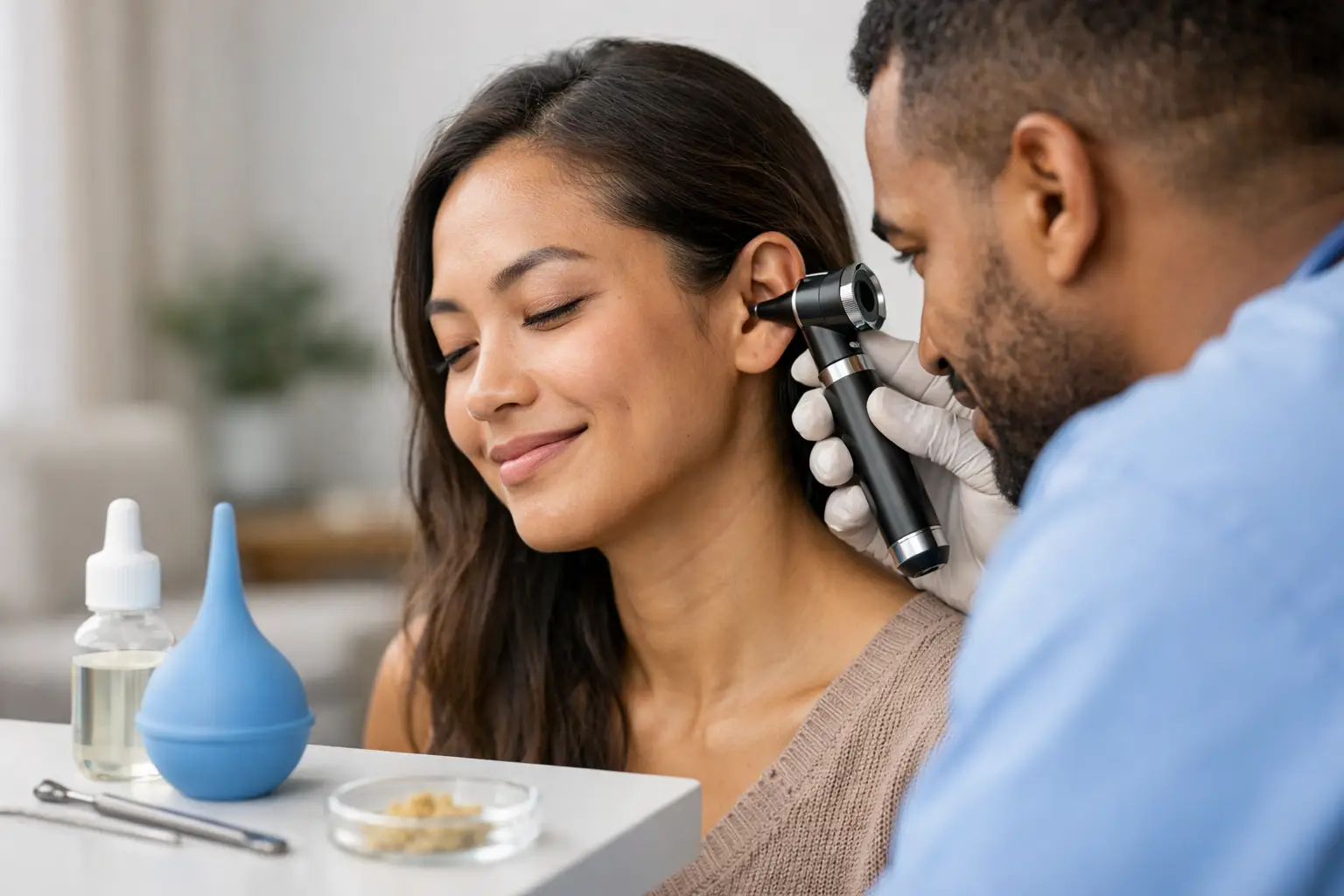
The most common issue is impacted earwax. Instead of lifting wax out, a swab can pack it down. That can lead to muffled hearing, pressure, ringing, or the sensation that water is trapped in the ear. People sometimes respond by using more swabs, which makes the cycle worse.
Skin irritation is another frequent problem. The ear canal has a natural protective layer that helps maintain moisture and defend against friction. Repeated swabbing can strip that layer away. Once the skin gets dry or irritated, ears may start to itch more, not less.
Small scratches are easy to create and easy to miss. Even if they do not cause immediate pain, they can leave the ear feeling raw or sensitive for days. If you wear earbuds or hearing aids, that irritation can become more noticeable because the canal is already dealing with daily contact.
The more serious risk is trauma from pushing the swab too far. That can happen during a sudden movement, while helping a child, or simply from misjudging depth. In a worst-case scenario, the eardrum can be injured. That may cause sharp pain, hearing changes, drainage, or dizziness. It is not the most common outcome, but it is common enough to be taken seriously.
The risk is higher in some everyday situations
Using swabs after a shower is a classic example. The skin is softer, wax may be swollen, and people often feel motivated to “dry out” the ear. That can lead to deeper insertion and more friction.
The same goes for itching. An itchy ear often tempts people to keep cleaning, but itch can come from dryness, irritation, earbud use, hearing aids, sweat, or over-cleaning itself. In those cases, the swab is treating the sensation while making the underlying problem more likely to continue.
Parents also run into this issue with children. A child who wiggles at the wrong moment can turn routine swabbing into an injury risk very quickly. Even careful adults cannot control every movement.
Why earwax is not the enemy
A lot of unsafe cleaning starts with the idea that all earwax should be removed. In reality, earwax has a job. It helps trap dust and debris, supports the ear canal’s natural environment, and usually moves outward on its own over time.3
That self-cleaning process works best when it is left alone. Jaw motion from talking and chewing helps old wax migrate outward. Wiping only the outer ear with a washcloth is enough for most people.4
Some people do produce more wax than others, and some are more prone to buildup. Earbud use, hearing aids, narrow ear canals, and a history of compacted wax can all play a role. But even then, frequent swabbing is usually not the safest answer.
Safer alternatives to cotton swabs
If your ears feel dry, itchy, or waxy, the right next step depends on what is actually going on. That is where safer ear care becomes more practical than aggressive cleaning.
For simple outer-ear hygiene, clean only the visible outer ear with a soft cloth. There is no need to insert anything into the canal.
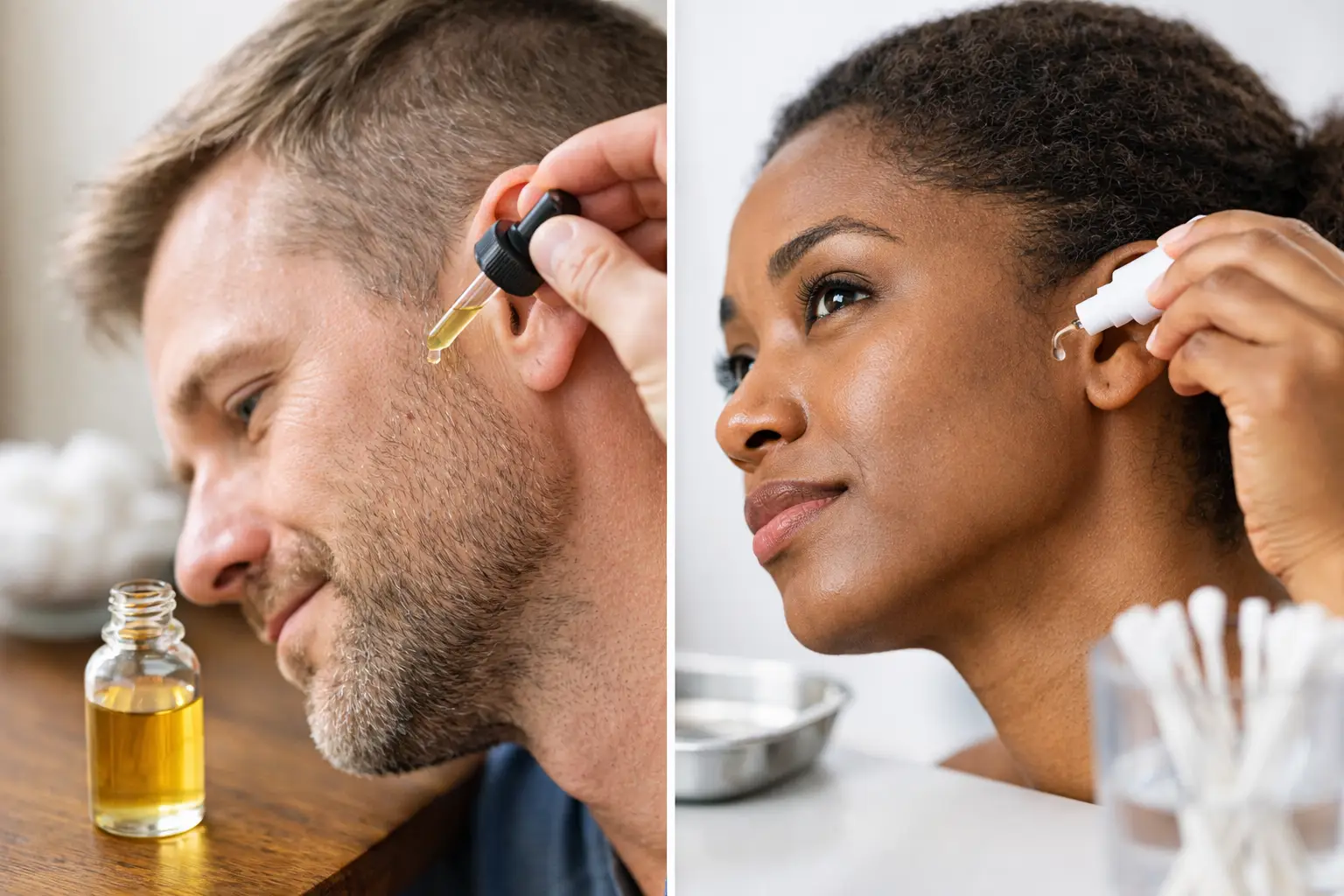
For dry wax or ears that feel irritated from earbuds, hearing aids, sweat, or water exposure, ENT-informed guidance generally favors gentle ear oils over harsh drying or bubbling ingredients. Mineral oil, coconut oil, and olive oil ear drops are widely considered the gentlest options for softening dry wax and supporting ear comfort.
At Safe Ear Care, we favor simple oil-based options rather than hydrogen peroxide, carbamide peroxide, isopropyl alcohol, or similar ingredients, which can be too harsh for some ears. A few drops of a gentle ear oil may help soften dry wax and calm dryness-related irritation. That said, comfort issues can have different causes, so what helps one person may not be right for another.
Disclosure: Dr. Stramiello is the founder of Oto Anthro (Otolaryngological Anthropology), the company that makes the Auil ear drops shown below, and SafeEarCare.com provides links to Amazon for purchase. That is a material financial relationship, and we disclose it plainly to remain transparent. The clinical guidance here does not change based on what we sell — any plain, purpose-made single oil will do the same job. Full disclosure.


When q tips ear damage risks get mistaken for a wax problem
One of the trickiest parts of this topic is that irritation from swabs often feels like a reason to use them again. If the ear canal gets dry, you may notice itching. If wax gets pushed inward, you may feel blocked. If the skin gets rubbed raw, the ear may feel “dirty” or overly noticeable.
That is how a cleaning habit turns into an ear comfort problem. The tool seems like the solution because it was part of the routine from the start. In reality, backing off often gives the ear a better chance to return to normal.
This is also why people sometimes say, “I use Q-tips all the time and never had a problem.” Sometimes that is true – until it is not. The fact that damage does not happen every time does not make the habit low-risk. It just means the ear can tolerate a lot before it cannot.
Signs you should stop using swabs right away
If you notice pain, muffled hearing, pressure, ringing, new sensitivity, or drainage after cleaning your ears, it is a good idea to stop using swabs. Those symptoms do not automatically mean something serious happened, but they do suggest the ear canal may be irritated or that wax has been pushed deeper.
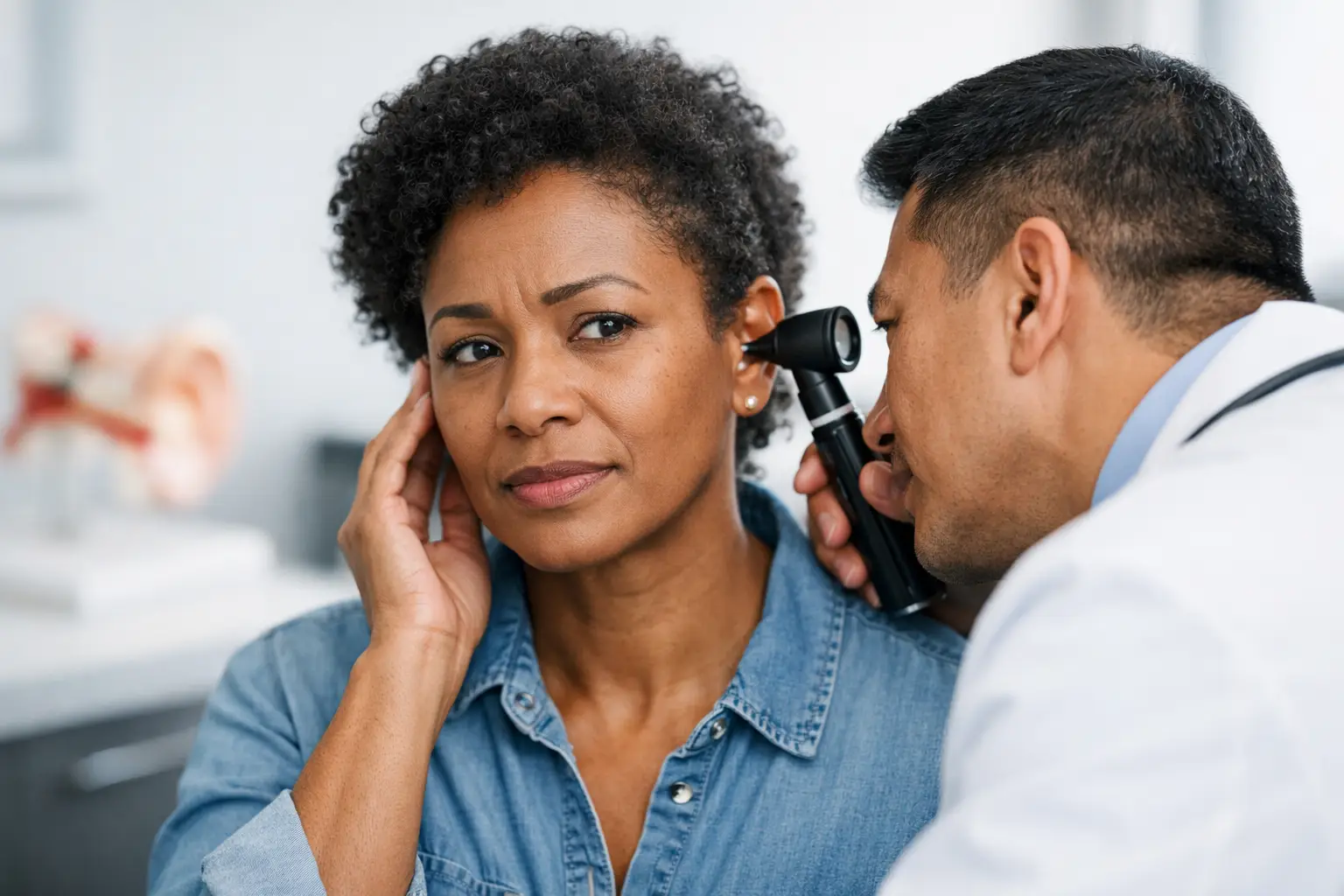
Bleeding, sudden hearing loss, spinning dizziness, or severe pain deserve prompt medical attention. Those are not normal responses to ear cleaning.
For ongoing dryness or recurring wax issues, a safer plan is usually more effective than repeated swabbing. That may mean leaving the ear canal alone, using a gentle oil-based approach for dry wax, and paying attention to habits that trigger irritation, such as over-cleaning or prolonged earbud wear.
A better long-term habit
The best ear care routines often feel almost too simple. Clean the outside, leave the canal alone, and resist the urge to “check” for wax with a swab. If your ears tend to feel dry or itchy, focus on moisture support and reducing friction instead of scraping the canal clean.
That shift matters because prevention is usually easier than recovery. Once wax is impacted or the canal is irritated, the ear can stay uncomfortable for longer than people expect. A softer, less invasive routine tends to be the safer choice.
Cotton swabs are useful for plenty of things around the house. Your ear canal just is not one of them. If you have been relying on them for years, changing the habit can feel strange at first, but your ears usually prefer gentleness over effort.
A good rule to keep in mind is simple: if a tool has to go into the ear canal to feel like it is working, it may already be doing more than your ears need.
Sources
- Schwartz SR, Magit AE, Rosenfeld RM, et al. Clinical Practice Guideline (Update): Earwax (Cerumen Impaction). Otolaryngology–Head and Neck Surgery. 2017;156(1_suppl):S1–S29. American Academy of Otolaryngology–Head and Neck Surgery Foundation.
- National Institute on Deafness and Other Communication Disorders (NIDCD). Why You Shouldn’t Use Cotton Swabs to Clean Your Ears. National Institutes of Health.
- American Academy of Otolaryngology–Head and Neck Surgery. Earwax (Cerumen Impaction). ENThealth.org.
- American Academy of Otolaryngology–Head and Neck Surgery Foundation. Dos and Don’ts of Earwax (patient handout).
About the Author
Written and medically reviewed by Joshua A. Stramiello, MD, board-certified otolaryngologist (ear, nose, and throat physician). Last reviewed August 6, 2026.
Dr. Stramiello earned his Doctor of Medicine at the University of South Florida Morsani College of Medicine, completed his general surgery internship at Vanderbilt University Medical Center, and completed residency in Otolaryngology–Head & Neck Surgery at the University of California, San Diego. He has cared for ENT patients at Dartmouth-Hitchcock, Sanford Hospital, and West Suffolk Hospital in the UK, and his peer-reviewed research spans pediatric otolaryngology, airway surgery, and ear disease (Google Scholar).
The content on SafeEarCare.com is intended for educational purposes only and should not be considered medical advice. It is not a substitute for professional medical advice, diagnosis, or treatment. Always consult your physician or qualified healthcare provider regarding your individual health needs.
Discover more from Safe Ear Care
Subscribe to get the latest posts sent to your email.
Permalink
Permalink
Permalink
Permalink
Permalink
Permalink
Permalink
Permalink