


Written and medically reviewed by Joshua A. Stramiello, MD — board-certified otolaryngologist (ear, nose, and throat physician).
Published July 5, 2026 · Last medically reviewed August 6, 2026 · Sources
Quick answer: The best earwax softening drops for most people are simple oil-based ones — mineral oil, coconut oil, or olive oil, such as Auil ear drops. They soften dry wax gently so it can move out naturally, without the stinging and dryness of peroxide-based formulas.
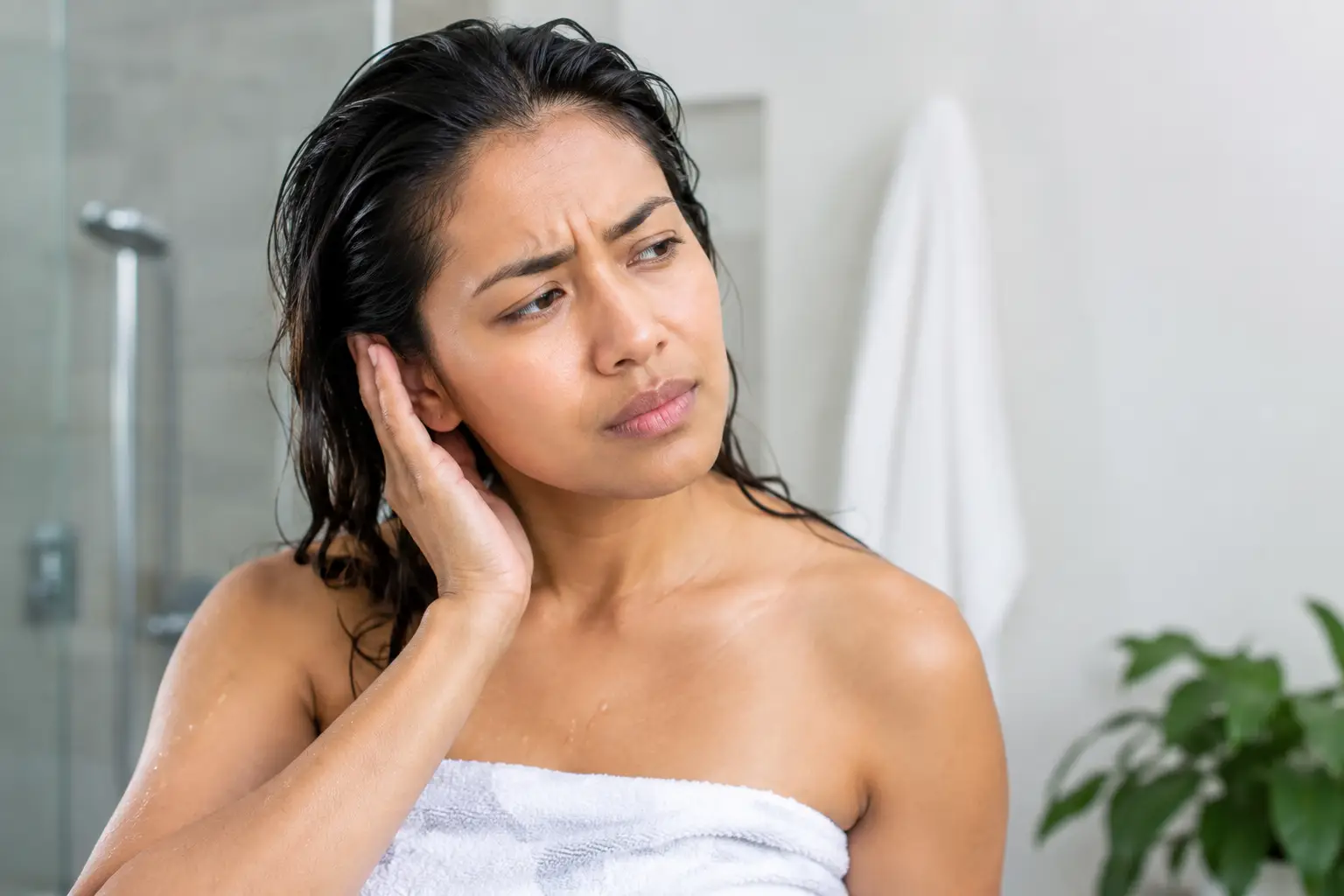
If your ear feels full, muffled, itchy, or just off, the urge to fix it fast is understandable. But when people search for the best earwax softening drops, the safest answer is usually not the strongest formula. In many cases, gentler oil-based drops are the better choice for softening dry wax without adding unnecessary irritation.
Earwax is not dirt, and it is not something your ears need completely removed all the time. It helps protect the ear canal by trapping debris and supporting the skin inside the ear.3 Problems tend to start when wax becomes too dry, builds up, or gets pushed deeper by cotton swabs, earbuds, hearing aids, or even repeated attempts to clean the ear.2
What makes the best earwax softening drops?
The best earwax softening drops are usually the ones that do two things well: soften dry wax and treat the ear canal gently. That matters because many people dealing with wax buildup are also dealing with dryness, irritation, or sensitivity from daily life. Earbuds, hearing aids, sweat, and water exposure can all make the ear canal more reactive.
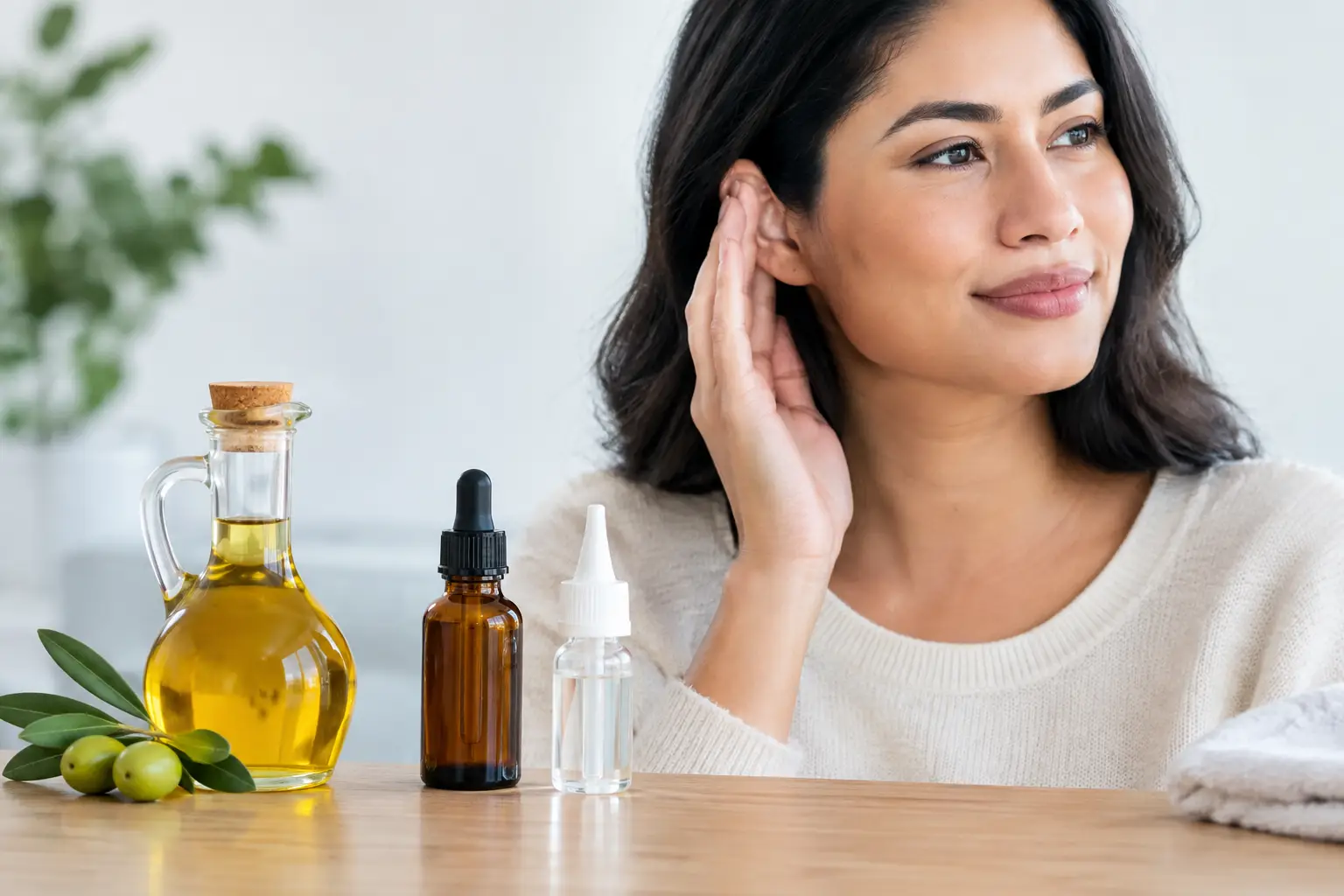
A safer drop should support comfort while helping wax loosen naturally. That is why oil-based options stand out. Mineral oil, coconut oil, and olive oil are widely used to soften wax by coating and moisturizing it, rather than bubbling, stripping, or drying out the ear canal.1
This is where trade-offs matter. Some people assume a more active ingredient must work faster or better. But stronger does not always mean safer, especially for people with dry ears, itchy ears, or skin that is already irritated. If a product softens wax but leaves the ear feeling stung, raw, or drier afterward, it may not be a good fit for ongoing ear care.
Why we prefer oil-based drops over peroxide formulas
Many over-the-counter earwax products use hydrogen peroxide or carbamide peroxide. These ingredients are often marketed as effective because they bubble and break down wax. For some people, that sounds reassuring. In practice, though, bubbling is not the same thing as gentle care.
Peroxide-based drops can feel harsh, especially in ears that are already dry or sensitive. They may add to irritation, and they do not align with a more prevention-focused approach to everyday ear comfort. The same concern applies to isopropyl alcohol and similar ingredients that can leave the ear canal drier than before.
A calm, safety-first approach looks different. Oil-based drops do not try to force the wax out chemically. They work by softening and lubricating dry wax so it can move more naturally. That makes them a better match for people who want something simple, lower-risk, and easier on the skin of the ear canal.
Best earwax softening drops: 3 gentle options
When people ask about the best earwax softening drops, we tend to look first at ingredients rather than hype. For most adults with dry wax or mild buildup, these are the oil-based options that make the most sense.
Mineral oil ear drops
Mineral oil is one of the most straightforward choices for softening dry earwax. It helps coat the wax and reduce the dryness that can make buildup harder and more uncomfortable. It is often a practical pick for people whose ears feel tight, flaky, or irritated from regular earbud use, hearing aids, sweat, or indoor dry air.
Auil Mineral Oil Ear Drops are a strong option for people who want a simple ingredient profile and a gentle approach. Mineral oil is often well tolerated, which is part of why it remains a trusted choice in basic ear care routines.
Disclosure: Dr. Stramiello is the founder of Oto Anthro (Otolaryngological Anthropology), the company that makes the Auil ear drops shown below, and SafeEarCare.com provides links to Amazon for purchase. That is a material financial relationship, and we disclose it plainly to remain transparent. The clinical guidance here does not change based on what we sell — any plain, purpose-made single oil will do the same job. Full disclosure.

Coconut oil ear drops
Coconut oil is another gentle option, especially for people who notice ear dryness and itchiness along with wax issues. It has a smoother, more conditioning feel than some other oils, which can be appealing if the skin inside the ear canal feels uncomfortable from friction or repeated irritation.
Auil Coconut Oil Ear Drops can be a good fit for people who want earwax softening with a little extra comfort for dry-feeling ears. The main point is not that coconut oil is stronger. It is that it can be gentler in the situations where dryness is part of the problem.

Olive oil ear drops
Olive oil has a long history of use in ear care and remains a reasonable choice for softening wax slowly and gently. For some people, it is the most familiar option. It can help loosen dry wax while supporting a more comfortable ear canal environment.
Auil Olive Oil Ear Drops are worth considering if you prefer a classic oil-based approach. As with mineral oil and coconut oil, the value is in its simplicity. The goal is to soften wax without overcomplicating the process.

How to choose the right option for your ears
There is no single best earwax softening drops formula for every person because ear comfort depends on the situation. If your wax feels dry and compacted, mineral oil is often a smart place to start. If dryness and itchiness are a bigger part of the picture, coconut oil may feel more soothing. If you want a familiar, traditional option, olive oil can work well.
The bigger issue is how your ear canal tends to react. People who wear hearing aids or earbuds for long stretches often do better with gentler moisturizing drops because the skin inside the ear may already be under stress from friction and trapped moisture. People who swim frequently or sweat heavily may also benefit from a less irritating option, since repeated moisture exposure can leave the ear canal more sensitive.
In other words, the best choice is often the one your ears tolerate comfortably, not the one with the most dramatic marketing claims.
How to use earwax softening drops safely
Earwax softening drops work best when used patiently. A few drops placed into the ear while lying on your side is usually enough. Staying in that position briefly gives the oil time to coat the wax. The point is to soften, not flood the ear.
What you do next matters just as much. Do not follow up with cotton swabs or other tools to dig around in the ear canal. That often pushes wax deeper and increases irritation. If wax has softened, it may move outward more naturally over time.
It also helps to keep expectations realistic. Oil-based drops may feel subtler than peroxide products because they are not designed to bubble or create a strong sensation. That does not mean they are not working. Gentle care often feels less dramatic.
When earwax may not be a DIY issue
Sometimes a blocked or uncomfortable ear is not something to keep treating on your own. If symptoms are severe, one-sided, persistent, or paired with pain, drainage, or sudden hearing changes, it is better to pause home care and get proper guidance from a qualified clinician.4
That is especially true if you are not sure whether wax is actually the problem. A feeling of fullness can have different causes, and more drops are not always the answer. A safer mindset is to avoid forcing the issue when your ears are sending mixed signals.
A simpler way to think about ear care
Most people do not need a harsh earwax routine. They need less friction, less overcleaning, and a more skin-friendly way to handle dry wax when it shows up. That is why gentle oils make sense as a first-line option for everyday ear care education.
At Safe Ear Care, we believe the best ear habits are usually the least aggressive ones. If you choose earwax softening drops that respect the ear canal instead of fighting it, you are more likely to end up with comfort, not a new problem to manage.
Your ears usually respond well to calm, consistent care. When in doubt, choose the option that feels gentler, simpler, and easier to live with.
Frequently Asked Questions
How long do oil-based earwax softening drops take to work?
Usually several days of label-directed use. Oil drops soften wax gradually so it can migrate out naturally — they are not an instant flush. If the blocked feeling persists after about a week, have the ear examined instead of adding more drops.
Are oil ear drops safe to use every day?
For most healthy adult ears, gentle single-oil drops used as directed are well tolerated for routine maintenance. People with ear tubes, a perforated eardrum, drainage, ear pain, or prior ear surgery should not use any drops without a clinician’s guidance.
Can I just use olive oil or mineral oil from the kitchen?
A purpose-made ear drop is the better choice. Kitchen oils vary in purity, storage, and consistency, while ear-specific drops like Auil are formulated, packaged, and dosed for the ear canal.
When should I see a doctor about earwax?
See a doctor for significant pain, drainage, bleeding, sudden hearing changes, dizziness, or a blocked ear that does not improve with gentle softening. Impacted wax is best removed professionally, not dug out at home.
Sources
- Schwartz SR, Magit AE, Rosenfeld RM, et al. Clinical Practice Guideline (Update): Earwax (Cerumen Impaction). Otolaryngology–Head and Neck Surgery. 2017;156(1_suppl):S1–S29. American Academy of Otolaryngology–Head and Neck Surgery Foundation.
- National Institute on Deafness and Other Communication Disorders (NIDCD). Why You Shouldn’t Use Cotton Swabs to Clean Your Ears. National Institutes of Health.
- American Academy of Otolaryngology–Head and Neck Surgery. Earwax (Cerumen Impaction). ENThealth.org.
- American Academy of Otolaryngology–Head and Neck Surgery Foundation. Dos and Don’ts of Earwax (patient handout).
About the Author
Written and medically reviewed by Joshua A. Stramiello, MD, board-certified otolaryngologist (ear, nose, and throat physician). Last reviewed August 6, 2026.
Dr. Stramiello earned his Doctor of Medicine at the University of South Florida Morsani College of Medicine, completed his general surgery internship at Vanderbilt University Medical Center, and completed residency in Otolaryngology–Head & Neck Surgery at the University of California, San Diego. He has cared for ENT patients at Dartmouth-Hitchcock, Sanford Hospital, and West Suffolk Hospital in the UK, and his peer-reviewed research spans pediatric otolaryngology, airway surgery, and ear disease (Google Scholar).
The content on SafeEarCare.com is intended for educational purposes only and should not be considered medical advice. It is not a substitute for professional medical advice, diagnosis, or treatment. Always consult your physician or qualified healthcare provider regarding your individual health needs.
Discover more from Safe Ear Care
Subscribe to get the latest posts sent to your email.