
Written and medically reviewed by Joshua A. Stramiello, MD — board-certified otolaryngologist (ear, nose, and throat physician).
Published September 22, 2026 · Last medically reviewed September 24, 2026 · Sources
Quick answer: Yes — headphones can cause ear pain, most often from pressure on the outer ear, earbud tips that rub or stretch the ear canal opening, trapped sweat or dry skin, or listening too loud for too long. Adjust the fit, keep devices clean and your outer ear dry, lower the volume, and take listening breaks; never use cotton swabs or objects in the ear canal, and for dryness choose gentle single-oil drops over peroxide or alcohol drops. See a doctor for persistent or severe pain, drainage, hearing changes, dizziness, swelling, or fever.
A long meeting, a favorite playlist, or a daily commute can leave your ears feeling sore long after the headphones come off. So, can headphones cause ear pain? Yes. The discomfort may come from pressure on the outer ear, irritation in the ear canal, trapped moisture, or listening habits that strain the ear over time.
The good news is that headphone-related ear pain is often connected to an everyday factor you can identify and adjust. Paying attention to where the pain occurs, when it starts, and which type of headphones you use can make your listening routine much more comfortable.
Can headphones cause ear pain from pressure?
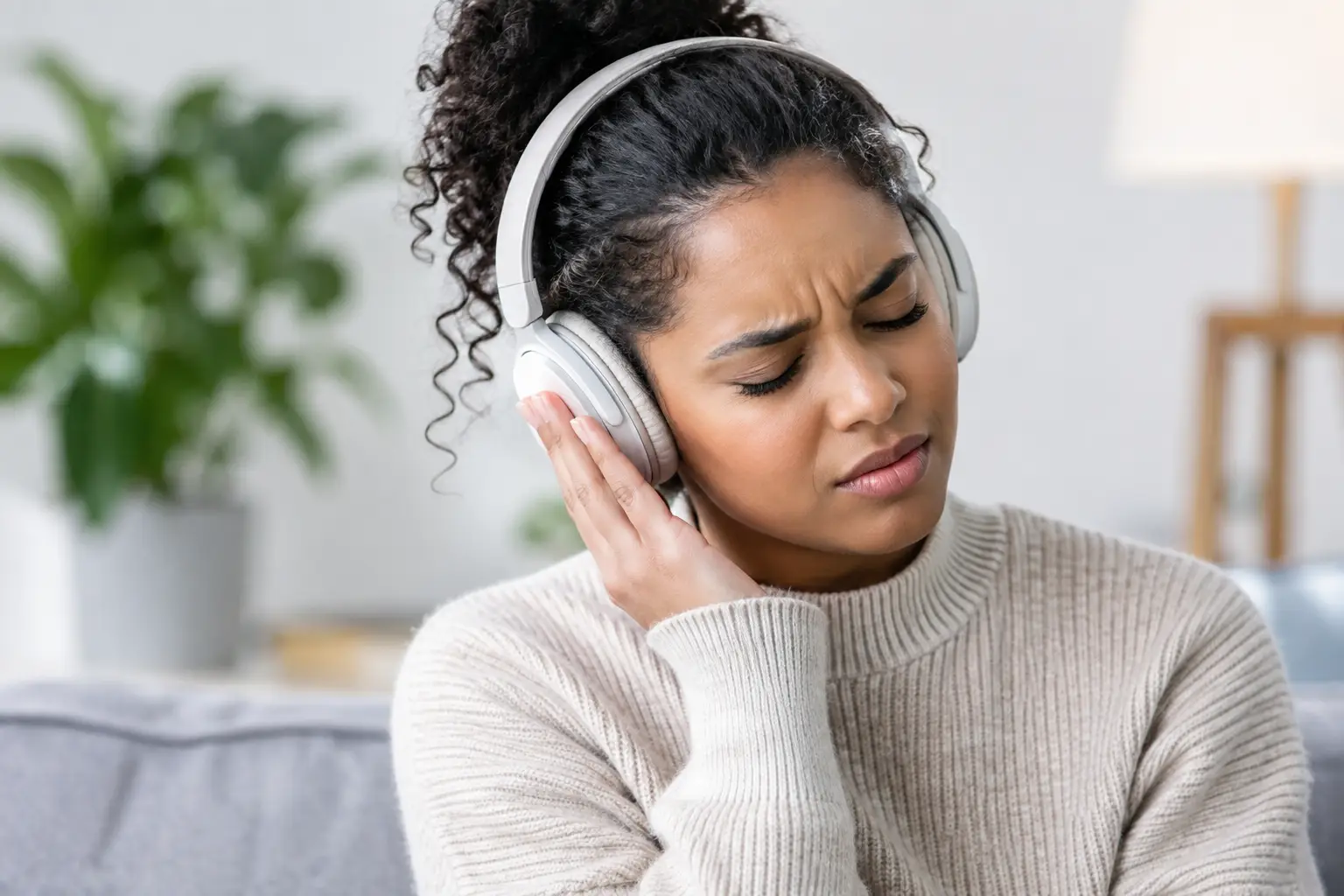
Over-ear headphones can press on the outer ear, while on-ear styles rest directly against it. Either design can create soreness when the headband is tight, the ear cups are too small, or the padding has flattened with age. Glasses can add another pressure point, especially where the arms sit behind the ears.
This type of discomfort usually feels tender on the ear itself or around the area just behind it. It may worsen after an hour or two of wear and improve when you take the headphones off. A headset that feels fine for a short call may not be comfortable for a full workday.
Fit matters more than many people realize. Look for adjustable headphones that sit securely without squeezing, and choose ear cups large enough to fit around rather than compress the outer ear when possible. Softer, clean ear cushions can also reduce friction. If the padding is cracked, stiff, or worn down, replacing it may help restore a more comfortable fit.
Earbuds can irritate the ear canal
Earbuds and in-ear headphones bring a different set of comfort concerns. A tip that is too large can stretch the entrance of the ear canal. One that is too small may shift around, creating rubbing and prompting you to push it farther in. Either situation can leave the ear feeling tender, itchy, or sensitive.
Not every ear has the same shape, and the two ears may not even fit the same ear tip size. If your earbuds came with several tip sizes, it is worth trying them carefully instead of assuming the medium option is right. The best fit is stable and comfortable, not deeply forced into the ear.
Earbuds can also collect skin oils, sweat, earwax, and product residue. When that buildup sits against the skin, it can contribute to irritation. Clean the exterior surfaces according to the manufacturer’s instructions, and allow earbuds to dry fully before putting them away in a closed case.
Avoid using cotton swabs or other objects to clean deep inside the ear after wearing earbuds. These can push wax inward and irritate the delicate skin of the ear canal. The ear is generally able to move wax outward on its own, and gentler habits support that process.1
Moisture, sweat, and dry skin can make discomfort worse
Headphones can create a warm, enclosed space around the ear. For some people, this becomes noticeable during workouts, hot weather, long gaming sessions, or extended calls. Sweat and moisture can soften the skin and make it more prone to rubbing. Over-ear headphones may trap moisture around the outer ear, while earbuds can limit airflow at the canal entrance.
On the other hand, some ears feel dry and itchy after repeated earbud use. Friction, frequent cleaning, and dry indoor air can all play a role. When dry skin or dry earwax is part of the picture, the goal is to avoid harsh ingredients that may add to the irritation.
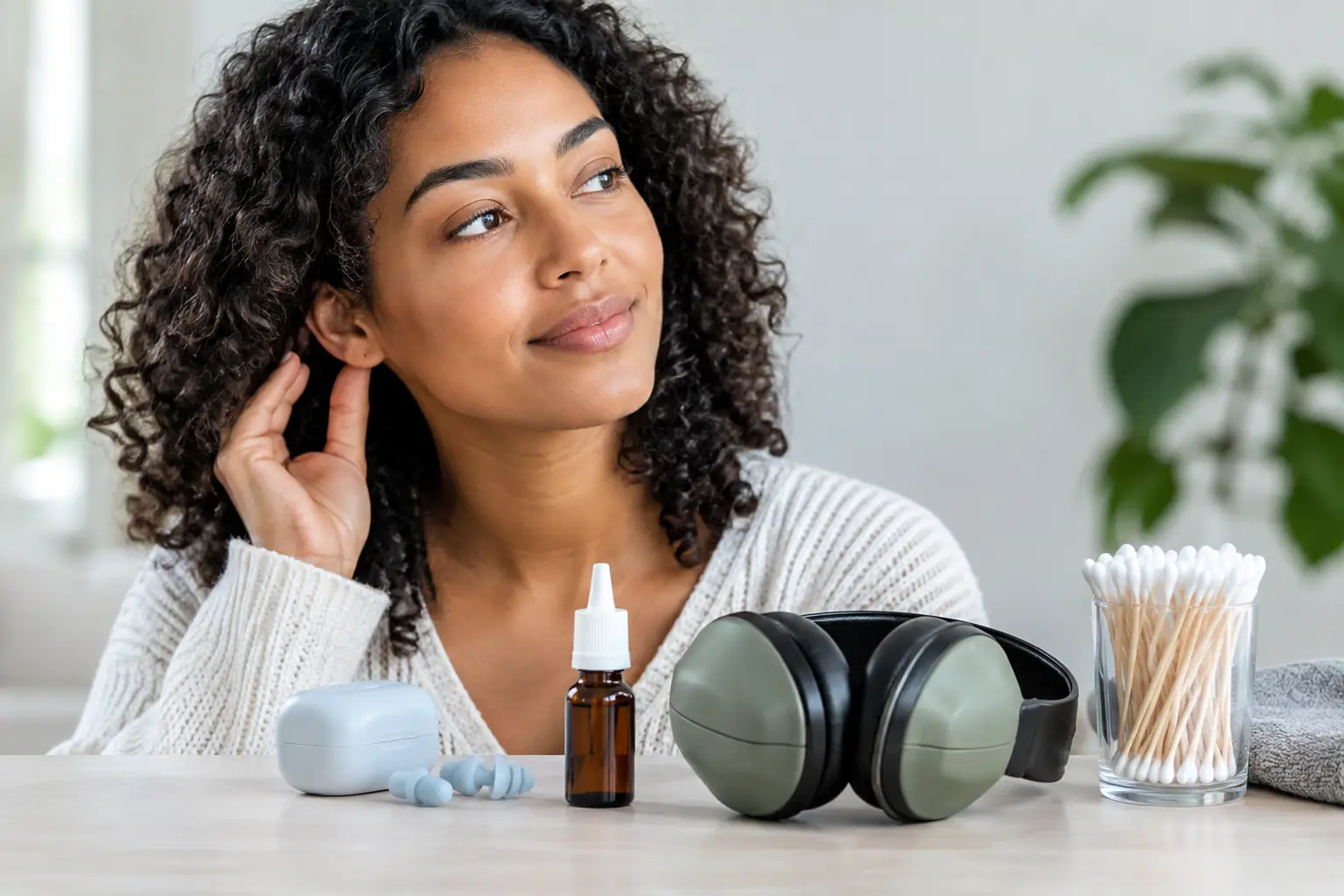
Safe Ear Care favors simple oil-based ear drops made with mineral oil, coconut oil, or olive oil for dry earwax and everyday dryness concerns. Products such as Auil Mineral Oil Ear Drops, Coconut Auil Coconut Oil Ear Drops, and Olive Auil Olive Oil Ear Drops are designed around those gentler ingredients. Hydrogen peroxide, carbamide peroxide, and alcohol-based drops can be drying or irritating for some people, so they are not a first choice for routine ear comfort.
Disclosure: Dr. Stramiello is the founder of Oto Anthro (Otolaryngological Anthropology), the company that makes the Auil ear drops shown below, and SafeEarCare.com provides links to Amazon for purchase. That is a material financial relationship, and we disclose it plainly to remain transparent. The clinical guidance here does not change based on what we sell — any plain, purpose-made single oil will do the same job. Full disclosure.


If you are unsure whether drops are appropriate for you, or if you have ongoing ear symptoms, a qualified healthcare professional can provide individualized guidance.
Volume may be part of the problem
Pain that feels deeper in the ear, along with ringing, muffled hearing, or sensitivity to ordinary sound, may be related to listening volume rather than physical pressure. Headphones place sound close to the ear, and it is easy to turn the volume up in a noisy office, gym, airplane, or train.2
Noise-canceling headphones can be useful because they reduce the urge to overpower outside noise. Still, noise canceling does not make very high volume risk-free. A comfortable listening level should allow you to enjoy audio without feeling like your ears are working hard afterward.
Taking regular quiet breaks is a practical habit.2 If your ears feel fatigued, tender, or unusually sensitive after listening, give them time away from headphones before using them again. It can also help to lower the volume slightly before you press play, rather than waiting until your ears feel strained.
When the issue may not be the headphones alone
Headphones can bring attention to an ear that is already irritated by wax buildup, dry skin, allergies, jaw tension, or pressure from glasses. In these cases, changing headphones may help, but it may not address the full reason for the discomfort.
Location offers useful clues. Pain on the outer ear often points toward fit or pressure. Itching or tenderness near the canal entrance may suggest friction, moisture, or dryness. Pain that seems connected to chewing, yawning, or jaw movement may have a source beyond the headphones themselves.
Try a short reset: stop using the headphones that trigger symptoms for a few days, keep the outer ear clean and dry, and notice whether the discomfort improves. If it does, reintroduce listening with a looser fit, shorter sessions, lower volume, or a different style of headphone. This gradual approach can help you identify the trigger without making several changes at once.
A more comfortable headphone routine
Small changes are often more effective than searching for one perfect device. Rotate between over-ear headphones and earbuds when practical, especially if one style creates pressure in the same place every day. Give your ears breaks during long sessions, and avoid falling asleep with earbuds or headphones on, since you may not notice sustained pressure.
Keep shared headphones clean, particularly in households, offices, and gyms. Do not wear earbuds immediately after swimming or heavy sweating if your ears still feel damp. Let the outer ear dry naturally first, and clean the earbuds before their next use.
Pay attention to recurring patterns rather than trying to push through discomfort. Ear pain is not a sign that you need to “get used to” a tighter fit or longer listening sessions. It is useful feedback from your body that something about the pressure, moisture, or sound level needs adjusting.
When to seek professional care
Headphone discomfort should improve when the source of irritation is removed. Persistent or worsening pain deserves professional attention, particularly if it comes with drainage, notable hearing changes, dizziness, swelling, fever, or pain that is severe. Those symptoms need an appropriate clinical assessment rather than continued self-care or repeated headphone use.
For most everyday soreness, start with comfort basics: a better fit, cleaner equipment, lower volume, dry ears, and regular listening breaks. Your headphones should make calls, music, and podcasts easier to enjoy, not leave your ears asking for recovery time.
Sources
- National Institute on Deafness and Other Communication Disorders (NIDCD). Why You Shouldn’t Use Cotton Swabs to Clean Your Ears. National Institutes of Health.
- National Institute on Deafness and Other Communication Disorders (NIDCD). Noise-Induced Hearing Loss (NIHL). National Institutes of Health.
About the Author
Written and medically reviewed by Joshua A. Stramiello, MD, board-certified otolaryngologist (ear, nose, and throat physician). Last reviewed September 24, 2026.
Dr. Stramiello earned his Doctor of Medicine at the University of South Florida Morsani College of Medicine, completed his general surgery internship at Vanderbilt University Medical Center, and completed residency in Otolaryngology–Head & Neck Surgery at the University of California, San Diego. He has cared for ENT patients at Dartmouth-Hitchcock, Sanford Hospital, and West Suffolk Hospital in the UK, and his peer-reviewed research spans pediatric otolaryngology, airway surgery, and ear disease (Google Scholar).
The content on SafeEarCare.com is intended for educational purposes only and should not be considered medical advice. It is not a substitute for professional medical advice, diagnosis, or treatment. Always consult your physician or qualified healthcare provider regarding your individual health needs.