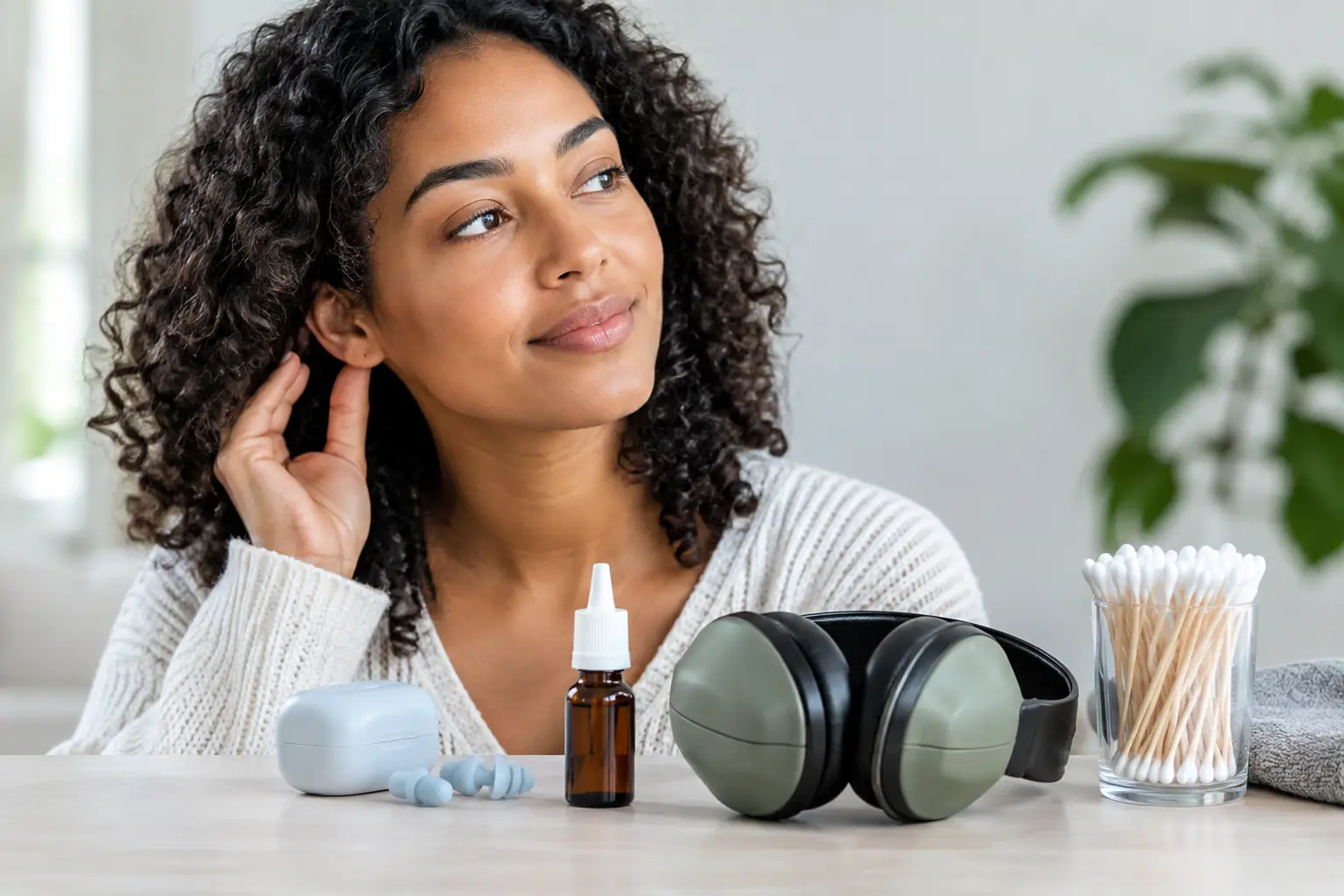


A shower can send a surprising amount of water toward the ear canal, especially when you rinse shampoo, wash your hair, or stand under a strong showerhead. The best earplugs for bathing are not necessarily the softest or the most expensive pair. They are the ones that create a comfortable outer-ear seal, stay in place when wet, and do not need to be pushed deep into the ear.
For many people, bathing earplugs are a simple preventive tool. They can be particularly useful for anyone who wants to limit water exposure because their ears tend to feel dry, itchy, or irritated afterward. The goal is not to force a plug into the canal or create a perfectly airtight barrier. It is to reduce the amount of water that reaches the ear while keeping your routine gentle and comfortable.
What makes an earplug good for bathing?
Earplugs designed for sleeping or noise reduction are not always a good match for the shower or bath. Foam plugs, for example, are made to expand in the ear canal. They can absorb water, lose their shape, and be difficult to keep clean after repeated exposure. They may also encourage people to insert them too deeply.
For bathing, a water-resistant material and a secure outer-ear fit matter more than sound blocking. A good bathing earplug should sit at or near the entrance of the ear canal, feel comfortable for the length of a shower, and be easy to remove with dry fingers afterward. It should also be simple to wash and air-dry between uses.
The best choice depends on your ear shape, how much water exposure you expect, and whether you are protecting one ear or both. A short shower calls for something different from a long soak, frequent hair washing, or a situation where water splashes directly toward the ears.
Best earplugs for bathing: the main options
Moldable silicone earplugs
Moldable silicone plugs are often the most practical option for bathing. Instead of going into the ear canal, the soft silicone is rolled or pressed into a flat cover over the ear opening. This creates a broad seal that can help deflect splashes from the shower and keep bathwater from entering the canal.
Their biggest advantage is adaptability. Because the material molds to the outer ear, it can work well for people whose ears do not fit standard reusable plugs. They are also a helpful choice for children when used carefully by a parent or caregiver, although children should always be supervised around water.
The trade-off is that moldable silicone can collect hair, soap residue, and lint. It needs to be replaced when it becomes dirty, stiff, cracked, or less sticky. Never break a plug into small pieces and place pieces inside the ear canal. Keep it as one intact cover over the entrance of the ear.
Reusable flanged silicone earplugs
Reusable silicone plugs with soft, flexible flanges can be a good option for adults who want a neater, longer-lasting choice. The flanges sit in the outer portion of the canal and are designed to slow water entry without the deep expansion of foam.
These can work especially well if you shower often and prefer a pair that can be rinsed, dried, and stored for repeated use. Fit is the deciding factor. If a flanged plug feels like it is slipping, pinching, or requiring pressure to stay in place, it is not the right size or style for you.
Look for a pair with an easy-to-grip stem or tab. This makes removal safer and easier, particularly after a shower when your hands and ears may still be damp. Do not choose a design with a long, rigid stem that causes soreness when you move your jaw or wash your hair.
Custom-molded earplugs
Custom-molded earplugs are made to match the shape of your ears. They tend to offer the most consistent fit and can be worthwhile for people who need to limit water exposure regularly or have found that standard plugs never stay put.
Their main drawback is cost. They are also not automatically necessary for occasional showers. If standard moldable silicone or well-fitting reusable plugs work comfortably, custom plugs may not offer enough extra benefit to justify the expense. But for frequent use, a secure custom fit can make bathing less stressful and more predictable.
Waterproof headbands for children
For young children, a waterproof ear band can help hold properly fitted earplugs in place during a bath or hair rinse. The band is not a substitute for earplugs, and it should never be so tight that it causes discomfort. Think of it as an extra layer that can reduce the chance of a plug shifting during active bath time.
This option is most useful when a child frequently touches their ears, plays vigorously in the tub, or has trouble keeping a moldable plug in place. Adult supervision remains essential. No earplug or headband makes underwater play risk-free.
How to get a better seal without pushing too far
A comfortable fit should not require force. Before inserting or applying any earplug, dry the outside of your ears and your hands. Moisture, conditioner, and lotion can make silicone slide around before it has a chance to seal.
With moldable silicone, soften the plug between clean fingers, then press it gently over the ear opening. Do not twist or push it down the canal. With reusable flanged plugs, follow the product sizing instructions and insert only until the plug feels stable and comfortable. If you feel pressure, pain, or a plugged sensation that does not quickly ease after removal, stop using that style.
Once the plugs are in place, avoid directing a powerful shower stream straight at your ears. Earplugs reduce exposure, but shower pressure can still force water around a poorly fitted seal. Turning your head slightly while rinsing and using a handheld showerhead carefully can make a meaningful difference.
What to avoid when choosing bathing earplugs
Skip foam earplugs for showering and bathing. They are designed for sound reduction, not repeated water exposure, and their absorbent structure makes them harder to keep hygienic. Cotton balls are also unreliable. They can soak through quickly, leave fibers behind, and create a false sense of protection.
Avoid inserting any plug deeply or using objects to adjust it once it is in your ear. A plug should be easy to remove without tweezers, cotton swabs, or other tools. Cotton swabs can push earwax farther inward and irritate the delicate skin of the ear canal, which is the opposite of what a protective bathing routine should do.
It is also wise to avoid treating earplugs as a cure for every ear concern. They are a water-management tool. They do not clean earwax, relieve persistent discomfort, or replace individualized guidance from a qualified health professional when you have an ongoing ear-health question.
Keeping earplugs clean matters as much as choosing them
After each use, rinse reusable silicone plugs according to their care directions, then let them air-dry fully before placing them in their case. A closed case with trapped moisture can leave plugs unpleasant to use and shorten their lifespan. Moldable plugs should be discarded when they no longer look clean or hold their shape.
Do not share earplugs, even within the same household. Ear shape differs from person to person, and sharing makes it harder to maintain a clean routine. Keeping a dedicated case near your toiletries can make it easier to use and store them consistently.
If your ears tend to feel dry after water exposure, focus first on reducing unnecessary water entry, avoiding cotton swabs, and drying only the outside of the ear with a soft towel. Ear drops are not a substitute for bathing earplugs, and a product that works for one person’s ear comfort may not suit another person’s circumstances.
When a bathing earplug may not be the right next step
If you have been told to keep water out of your ears after an ear procedure, have ear tubes, have a known eardrum opening, or experience ongoing ear symptoms, the appropriate type of water protection can be more individual. In those situations, a qualified clinician can help you determine whether standard over-the-counter plugs are suitable and how much water protection is needed.
For everyone else, start simple. Choose a comfortable water-resistant style, check the fit before stepping into the shower, and replace it when it becomes worn or difficult to clean. The right earplug should make your bathing routine feel calmer, not more complicated.
Discover more from Safe Ear Care
Subscribe to get the latest posts sent to your email.