



Written and medically reviewed by Joshua A. Stramiello, MD — board-certified otolaryngologist (ear, nose, and throat physician).
Published May 18, 2026 · Last medically reviewed August 6, 2026 · Sources
Quick answer: Different water affects ears differently: chlorinated pools strip protective oils, saltwater draws moisture from canal skin, and lakes carry sediment and debris. The after-swim routine is the same everywhere — drain naturally, dry only the outer ear, and support dry-prone ears gently.
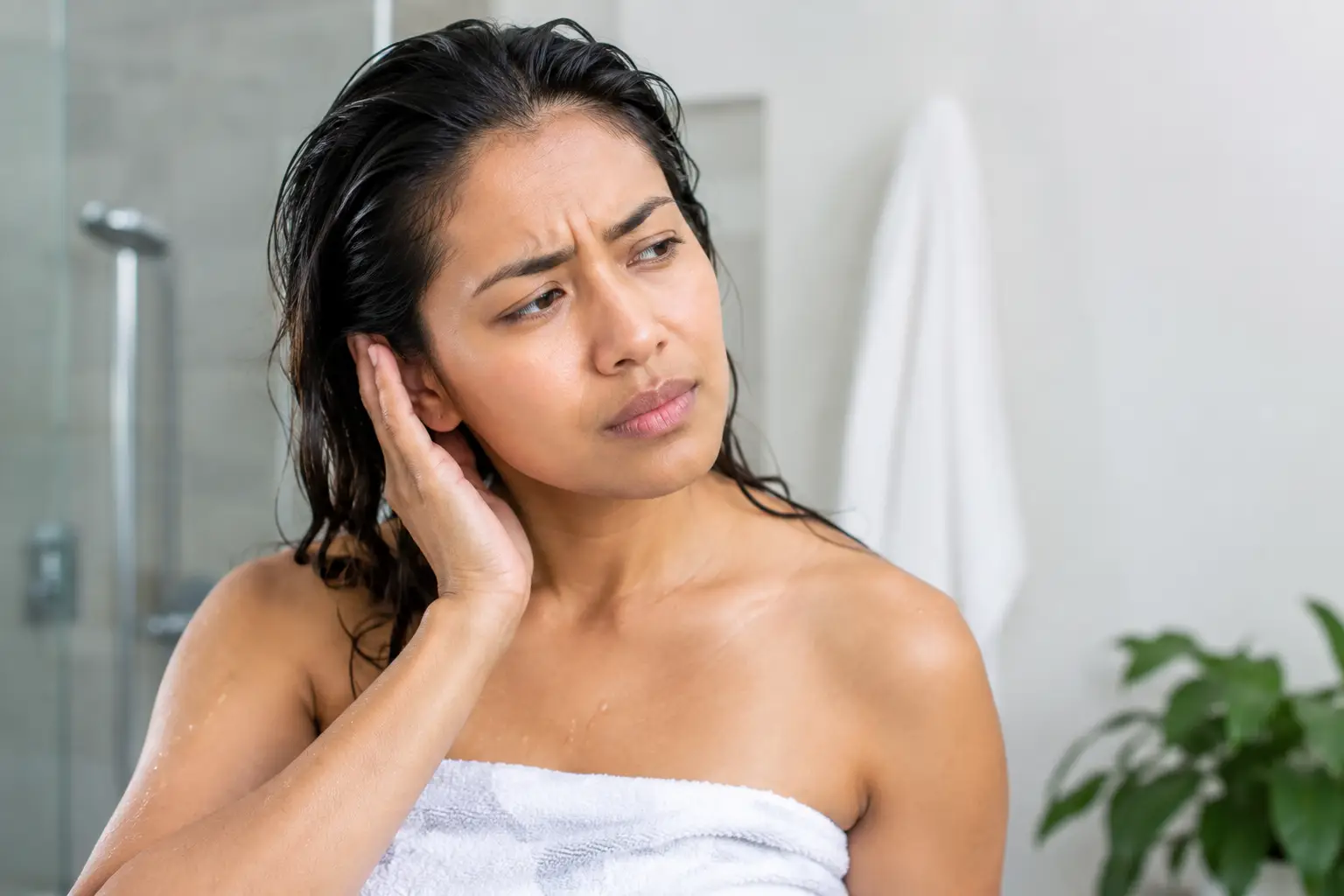
Swimming is great exercise, relaxing, and part of everyday life for many people — but repeated water exposure can sometimes leave the ears feeling irritated, dry, itchy, or sensitive afterward.
Different swimming environments affect the ear canal differently. Chlorinated pools, salt water, and freshwater lakes all expose the ears to unique combinations of moisture, minerals, debris, and environmental stress.
For many swimmers, proper ear care after water exposure may help support comfort and reduce irritation.
Why Swimming Can Irritate the Ears
The ear canal contains delicate skin protected by a thin layer of natural oils and earwax.1 Repeated exposure to water may:
- Wash away protective oils
- Dry out the ear canal
- Trap moisture
- Increase friction
- Leave the ears feeling itchy or sensitive
Swimming-related irritation becomes more common with:
- Frequent swimming
- Over-cleaning the ears afterward
- Earbud use
- Humid climates
- Long periods of moisture exposure
Chlorinated Pools and Ear Dryness
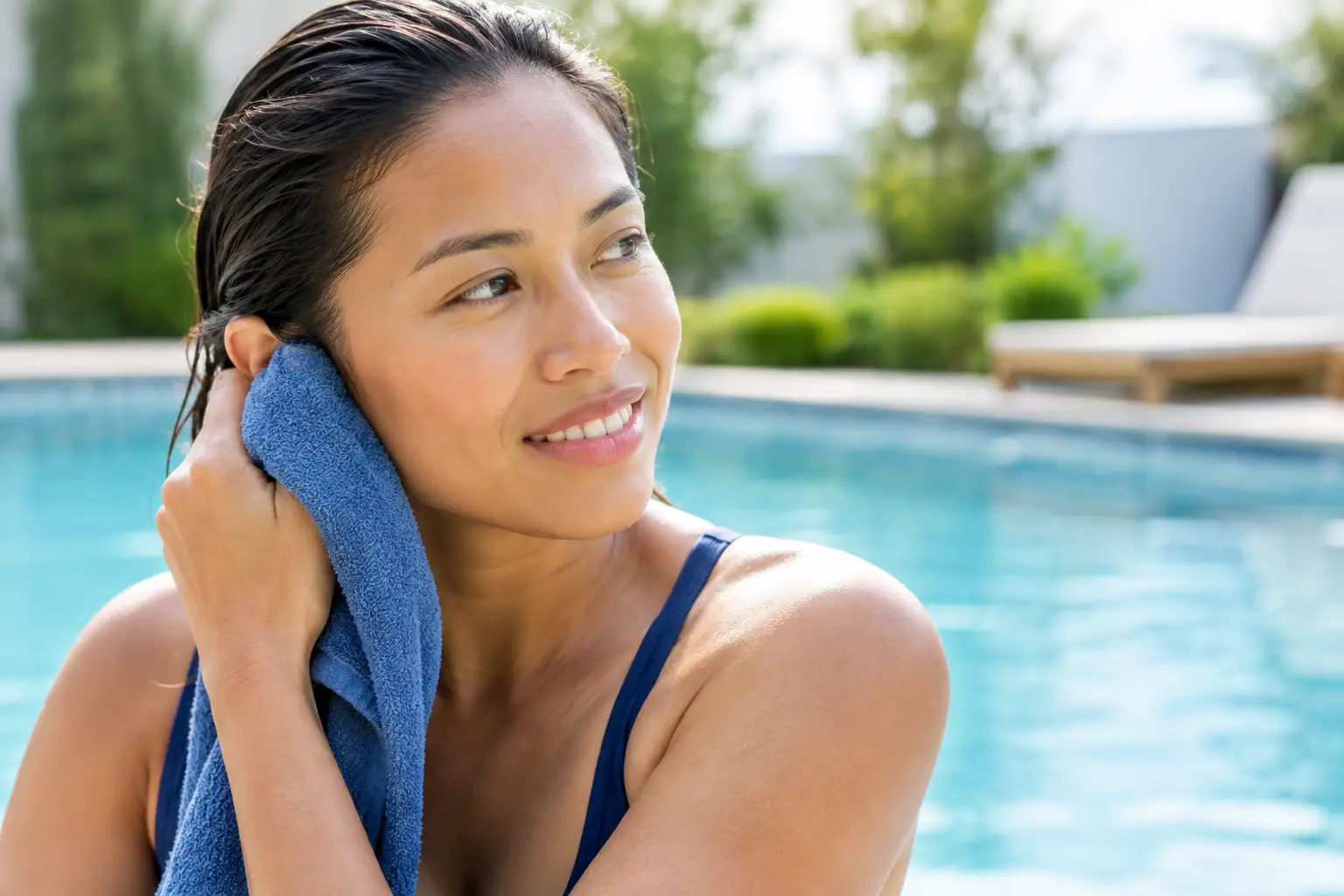
Swimming pools expose the ears to chlorinated water, which may leave some individuals feeling dry or irritated after repeated exposure.
Pool swimmers often notice:
- Tight or dry-feeling ears
- Mild itching
- Increased sensitivity
- Dry flaking skin
Many people then attempt to aggressively clean their ears with cotton swabs, which may further worsen dryness by removing the ear’s natural protective oils.2
Auil for Pool Swimming
Auil Ear Drops may be especially well-suited for individuals frequently exposed to chlorinated pools.
Using highly purified mineral oil, Auil is designed for gentle everyday ear comfort and moisture support.
Mineral oil’s lightweight, stable nature may make it especially appealing:
- Before swimming
- After swimming
- During regular pool exposure
- For dry, chlorine-exposed ears
Many individuals prefer mineral oil because it creates a smooth, neutral feel without a heavy coating sensation.
Auil may be particularly useful for:
- Lap swimmers
- Competitive swimmers
- Pool athletes
- Individuals with chlorine-related dryness
- Frequent swimmers in dry climates
Disclosure: Dr. Stramiello is the founder of Oto Anthro (Otolaryngological Anthropology), the company that makes the Auil ear drops shown below, and SafeEarCare.com provides links to Amazon for purchase. That is a material financial relationship, and we disclose it plainly to remain transparent. The clinical guidance here does not change based on what we sell — any plain, purpose-made single oil will do the same job. Full disclosure.

Salt Water and Coastal Exposure
Ocean swimming introduces a different environment entirely.
Salt water exposure, combined with:
- Sun
- Heat
- Wind
- Sweat
- Sand
can sometimes leave the ears feeling dry, irritated, or tight afterward.
Beachgoers and surfers often experience repeated cycles of moisture and evaporation, which may contribute to ear canal dryness over time.
Coconut Auil for Salt Water Exposure
Coconut Auil may be especially appealing after salt water exposure.
Using fractionated coconut oil, Coconut Auil is designed with lightweight comfort in mind and may feel particularly comfortable after:
- Ocean swimming
- Beach exposure
- Sweating
- Surfing
- Warm-weather activity
Its lighter feel may appeal to active individuals who prefer a less heavy oil sensation after time in the ocean or heat.
Coconut Auil may be especially useful for:
- Beachgoers
- Surfers
- Swimmers in tropical climates
- Individuals frequently exposed to sweat and salt air

Freshwater Lakes, Rivers, and Outdoor Swimming
Freshwater environments expose the ears to a very different type of environment than pools or oceans.
Lake and river swimming may expose the ears to:
- Sediment
- Organic debris
- Dirt
- Mud
- Environmental particles
- Rapid moisture changes
Outdoor swimmers often notice the ears feeling “grimy,” dry, or irritated after prolonged freshwater exposure.
Olive Auil for Freshwater and Outdoor Ear Care
Olive Auil uses olive oil and takes a more traditional approach to ear comfort.
Olive Auil may be especially appealing after:
- Lake swimming
- River swimming
- Camping
- Fishing
- Hiking
- Outdoor recreation
Compared to lighter oils, olive oil tends to provide a slightly richer, more substantial feel that some users prefer after outdoor exposure.
Olive Auil may be especially suited for:
- Freshwater swimmers
- Campers
- Outdoor workers
- Individuals exposed to dirt, dust, or sediment-heavy environments
Its more traditional oil feel may appeal to people who want a stronger conditioning sensation after time outdoors.

Important Ear Care Habits for Swimmers
Simple habits may help reduce swimming-related ear irritation:34
- Avoid aggressive Q-tip use
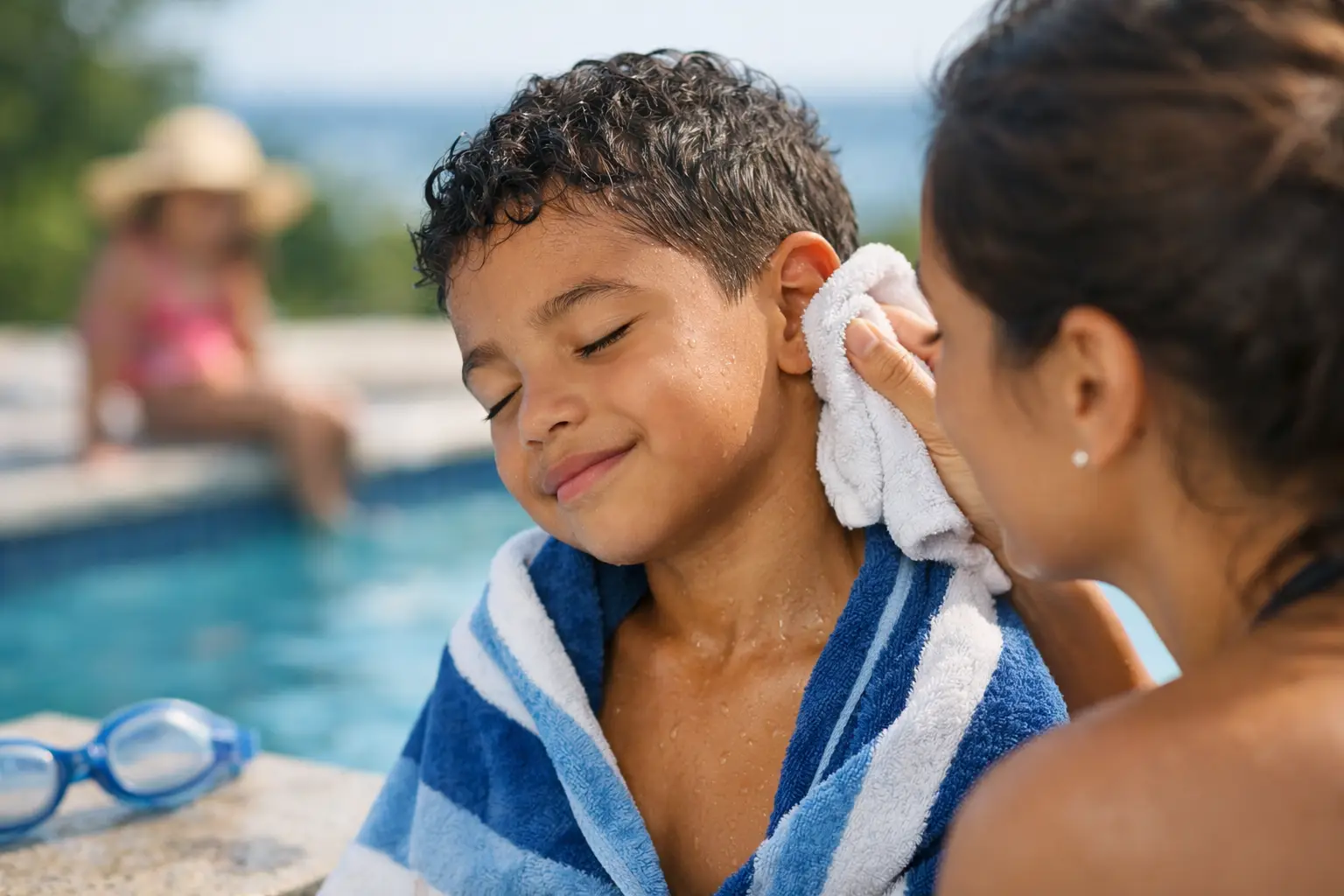
- Allow ears to dry naturally after swimming
- Clean only the outer ear
- Avoid inserting objects deep into the ear canal
- Take breaks from prolonged earbud use after swimming
When to Seek Medical Care
See a healthcare professional if swimming-related symptoms include:
- Significant ear pain
- Drainage
- Fever
- Persistent blockage
- Hearing loss
- Severe swelling
- Symptoms that continue worsening
Final Thoughts
Different swimming environments affect the ears differently.
Pool exposure may contribute to dryness, ocean exposure combines salt and sweat, and freshwater environments expose the ears to natural debris and environmental particles.
For many swimmers, gentler ear care and supporting the ear’s natural moisture barrier may help improve long-term comfort.
Whether you spend your time in the pool, the ocean, or the lake, choosing the right ear care routine for your environment may make a noticeable difference.
Find Auil on Amazon or OtoAnthro.com
Sources
- Schwartz SR, Magit AE, Rosenfeld RM, et al. Clinical Practice Guideline (Update): Earwax (Cerumen Impaction). Otolaryngology–Head and Neck Surgery. 2017;156(1_suppl):S1–S29. American Academy of Otolaryngology–Head and Neck Surgery Foundation.
- National Institute on Deafness and Other Communication Disorders (NIDCD). Why You Shouldn’t Use Cotton Swabs to Clean Your Ears. National Institutes of Health.
- Rosenfeld RM, Schwartz SR, Cannon CR, et al. Clinical Practice Guideline: Acute Otitis Externa (Update). Otolaryngology–Head and Neck Surgery. 2014;150(1_suppl):S1–S24.
- Centers for Disease Control and Prevention. About Healthy Swimming. CDC.gov.
- American Academy of Otolaryngology–Head and Neck Surgery. Earwax (Cerumen Impaction). ENThealth.org.
About the Author
Written and medically reviewed by Joshua A. Stramiello, MD, board-certified otolaryngologist (ear, nose, and throat physician). Last reviewed August 6, 2026.
Dr. Stramiello earned his Doctor of Medicine at the University of South Florida Morsani College of Medicine, completed his general surgery internship at Vanderbilt University Medical Center, and completed residency in Otolaryngology–Head & Neck Surgery at the University of California, San Diego. He has cared for ENT patients at Dartmouth-Hitchcock, Sanford Hospital, and West Suffolk Hospital in the UK, and his peer-reviewed research spans pediatric otolaryngology, airway surgery, and ear disease (Google Scholar).
The content on SafeEarCare.com is intended for educational purposes only and should not be considered medical advice. It is not a substitute for professional medical advice, diagnosis, or treatment. Always consult your physician or qualified healthcare provider regarding your individual health needs.
Discover more from Safe Ear Care
Subscribe to get the latest posts sent to your email.
Permalink
Permalink
Permalink