
Written and medically reviewed by Joshua A. Stramiello, MD — board-certified otolaryngologist (ear, nose, and throat physician).
Published September 16, 2026 · Last medically reviewed September 17, 2026 · Sources
Quick answer: Preventing swimmer’s ear is mostly about keeping water from sitting in the canal and leaving the canal’s natural barrier alone. Before swimming, skip cotton swabs and consider well-fitting swim earplugs; afterward, tilt your head to let water drain and towel-dry only the outer ear. If repeated swimming leaves ears dry or itchy, a gentle single-oil drop (mineral, coconut, or olive) is kinder than peroxide, carbamide peroxide, or alcohol-based formulas. See a doctor for pain, drainage, bleeding, sudden hearing changes, or blockage that does not clear.
A long pool day can leave ears feeling oddly full, itchy, or tender even when the rest of you feels refreshed. This swimmer ear prevention guide focuses on the small habits that help keep water from lingering in the ear canal and reduce the dryness and irritation that can make swimming less comfortable.
The goal is not to aggressively clean or dry your ears. Ear canals have a delicate skin barrier and a natural self-cleaning process. Prevention works best when you protect that barrier before, during, and after water exposure.
Why Water Exposure Can Bother Your Ears
Water from pools, lakes, oceans, and even long showers can remain in the bends of the ear canal. That lingering moisture may leave the skin feeling soft, itchy, or irritated. Chlorinated pool water, salt water, sweat, sunscreen, and frequent earbud use can add to the discomfort, especially for people whose ears already tend to feel dry.
Earwax also has a useful role here. It helps trap debris and supports the ear canal’s natural protective environment.1 Trying to remove every trace of wax before swimming can backfire by leaving the canal drier and more sensitive to water.
This is why prevention is less about getting ears perfectly clean and more about avoiding the habits that strip, scratch, or trap moisture in the canal.
Swimmer Ear Prevention Guide: Before You Get in the Water
A little preparation can make a noticeable difference for frequent swimmers, parents of young swimmers, and anyone who gets recurring water-related ear discomfort.
Keep Ear Cleaning Gentle
Avoid inserting cotton swabs, bobby pins, tissues, or other objects into the ear canal before a swim. These items can push wax farther in, create tiny scratches, and irritate the skin.2 Even if a swab seems to pull out wax, it may also disrupt the natural wax layer your ears rely on.
If you notice wax at the outer opening of the ear, gently wipe only what is visible with a soft washcloth. There is no need to clean deeper.3
Consider Well-Fitting Swim Earplugs
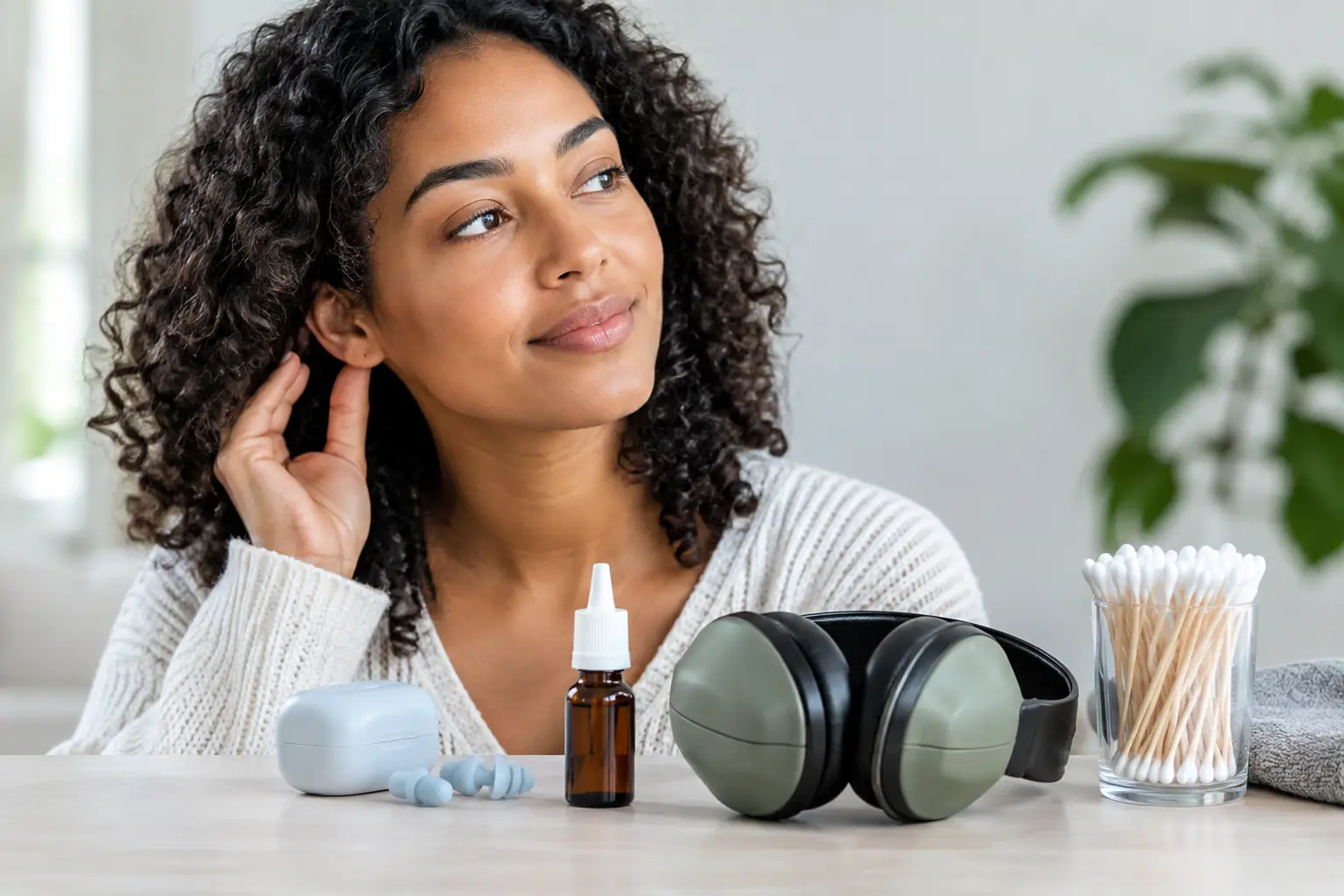
Swim earplugs can be useful when water exposure reliably causes discomfort. The best pair is one that creates a comfortable seal without needing to be forced into the ear canal. Soft, reusable plugs and custom-fitted options are both common choices.
Fit matters more than style. A plug that slips out, presses painfully, or needs constant adjustment may cause more frustration than benefit. Some swimmers also prefer a swim cap with ear coverage as an added layer of protection, particularly during longer sessions.
Earplugs are not necessary for every swimmer. If your ears remain comfortable without them, a simple post-swim drying routine may be enough. But for frequent pool users, lake swimmers, surfers, and children in swim lessons, they can be a practical preventive tool.
Be Careful With Earbuds Around the Pool
Earbuds can hold sweat and moisture close to the ear opening, especially if they are worn immediately before or after swimming. Give your ears time to air out before putting them back in. Wipe earbuds clean and dry them fully, too.
This matters even more when earbuds feel tight or cause itching. Persistent friction plus moisture is not a great combination for sensitive ear skin.
What to Do Right After Swimming
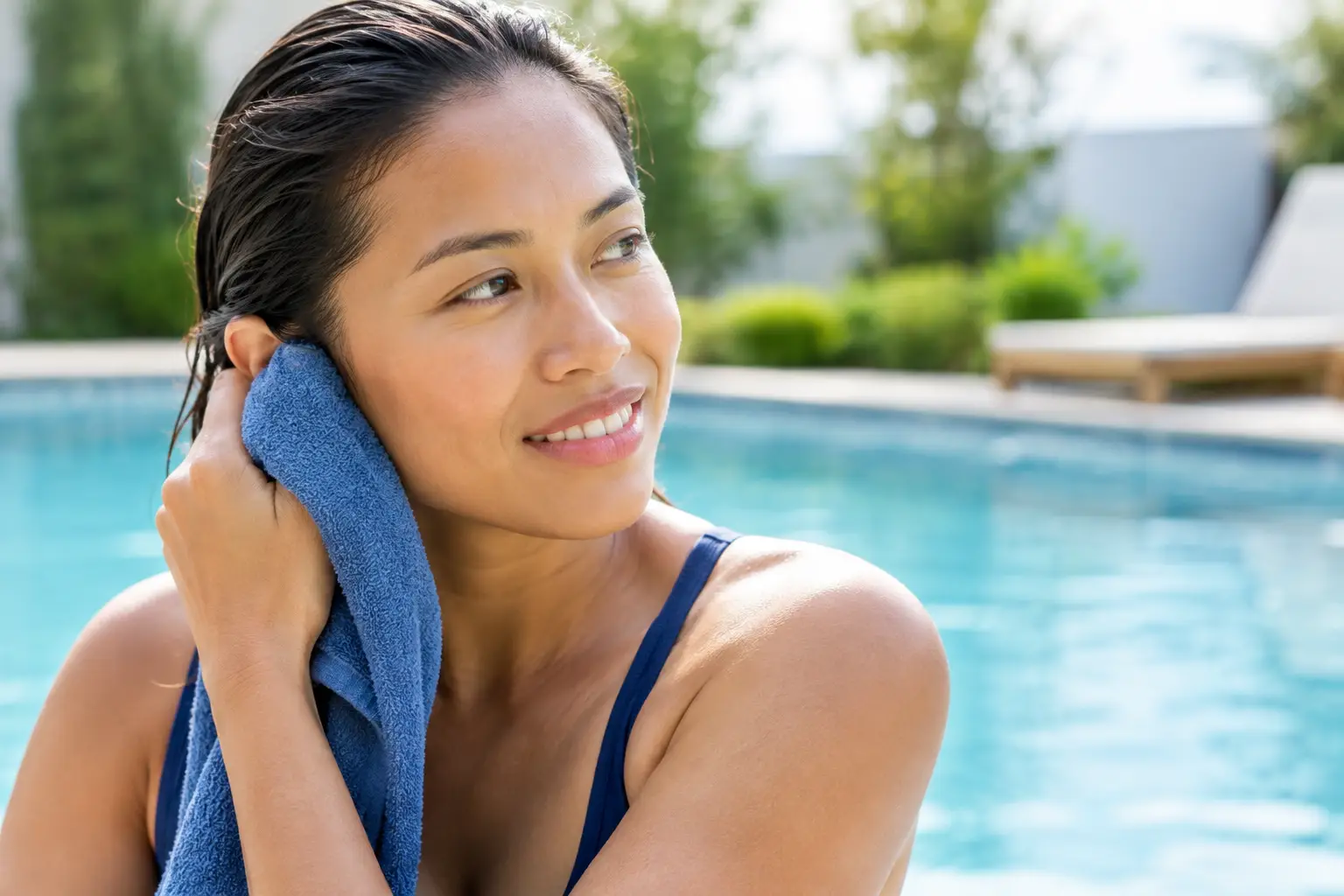
The most helpful post-swim routine is calm and simple. Tilt your head to each side and let gravity help water drain naturally. Gently tugging the outer ear while your head is tilted can sometimes help open the canal enough for trapped water to move out.
Then dry the outside of your ear with a clean towel. You do not need to insert the corner of the towel into the canal. If water still feels trapped, lie with the affected ear facing downward for a few minutes and give it time.
A hair dryer can be an option for some people when used cautiously. Keep it on a low, cool setting and hold it well away from the ear. The purpose is gentle airflow near the outer ear, not heat directed into the canal. Stop if the airflow feels uncomfortable.
Do not use cotton swabs to chase water out. Swabs can pack wax and moisture deeper, and the temporary sense of dryness is often not worth the irritation they can cause.
Support Dry, Itchy Ears Without Harsh Drops
Some ears feel dry or itchy after repeated swimming, especially during summer when swimming, sweating, showering, and air conditioning all add up. In those situations, harsh ear drops can make the problem feel worse.
Safe Ear Care favors simple mineral oil, coconut oil, or olive oil ear drops for dry-ear comfort over peroxide, carbamide peroxide, isopropyl alcohol, or other alcohol-based formulas. Oils may help support comfort when dryness is the main concern, while alcohol and peroxide can be especially drying or irritating for sensitive ears.
Disclosure: Dr. Stramiello is the founder of Oto Anthro (Otolaryngological Anthropology), the company that makes the Auil ear drops shown below, and SafeEarCare.com provides links to Amazon for purchase. That is a material financial relationship, and we disclose it plainly to remain transparent. The clinical guidance here does not change based on what we sell — any plain, purpose-made single oil will do the same job. Full disclosure.


The right approach depends on why your ears feel uncomfortable. Water exposure, wax buildup, skin sensitivity, hearing aids, and earbuds can all create similar sensations. If discomfort is persistent, severe, or changing, it is better to seek individualized guidance from a qualified healthcare professional than to keep trying new at-home products.
Common Habits That Can Work Against Prevention
The most common mistake is overcorrecting. When ears feel wet or full, it is tempting to clean harder, use strong drying products, or insert something into the canal. Those steps can disturb the ear’s natural defenses and create a cycle of more dryness and irritation.
Try to avoid these four habits:
- Digging into the ear canal with swabs, fingers, or tools
- Using hydrogen peroxide, carbamide peroxide, or rubbing alcohol drops after every swim
- Wearing damp earbuds or hearing aids for extended periods
- Ignoring a pair of earplugs that causes pressure, rubbing, or itching
Hearing-aid wearers may need a little extra attention after water activities. Moisture can affect both ear comfort and device performance. Dry the outside of the ear first, make sure the hearing aid is fully dry before reinserting it, and follow the device maker’s care instructions.
A Realistic Routine for Frequent Swimmers
For most people, prevention does not need to be complicated. Before swimming, leave the ear canal alone and use comfortable swim earplugs if water routinely bothers your ears. After swimming, let water drain, towel-dry the outer ear, and allow time for air circulation before using earbuds or hearing aids.
For children, consistency matters more than perfection. Make ear drying part of the same routine as changing clothes, applying sunscreen, and drinking water after swim practice. A calm routine also makes it less likely that a child will start poking at their ears because they feel ticklish or wet.
Lake and ocean swimmers may need to be especially mindful because natural water can contain more debris than a maintained pool. That does not mean avoiding outdoor swimming. It simply means using well-fitting protection when needed and taking a few minutes to dry off carefully afterward.
Comfortable ears should not require a complicated ritual. The best habit is often the least dramatic one: protect the ear canal’s natural barrier, give water a chance to leave, and resist the urge to clean deeper than your ears need.
Sources
- Schwartz SR, Magit AE, Rosenfeld RM, et al. Clinical Practice Guideline (Update): Earwax (Cerumen Impaction). Otolaryngology–Head and Neck Surgery. 2017;156(1_suppl):S1–S29. American Academy of Otolaryngology–Head and Neck Surgery Foundation.
- National Institute on Deafness and Other Communication Disorders (NIDCD). Why You Shouldn’t Use Cotton Swabs to Clean Your Ears. National Institutes of Health.
- American Academy of Otolaryngology–Head and Neck Surgery. Earwax (Cerumen Impaction). ENThealth.org.
About the Author
Written and medically reviewed by Joshua A. Stramiello, MD, board-certified otolaryngologist (ear, nose, and throat physician). Last reviewed September 17, 2026.
Dr. Stramiello earned his Doctor of Medicine at the University of South Florida Morsani College of Medicine, completed his general surgery internship at Vanderbilt University Medical Center, and completed residency in Otolaryngology–Head & Neck Surgery at the University of California, San Diego. He has cared for ENT patients at Dartmouth-Hitchcock, Sanford Hospital, and West Suffolk Hospital in the UK, and his peer-reviewed research spans pediatric otolaryngology, airway surgery, and ear disease (Google Scholar).
The content on SafeEarCare.com is intended for educational purposes only and should not be considered medical advice. It is not a substitute for professional medical advice, diagnosis, or treatment. Always consult your physician or qualified healthcare provider regarding your individual health needs.
Discover more from Safe Ear Care
Subscribe to get the latest posts sent to your email.