

Written and medically reviewed by Joshua A. Stramiello, MD — board-certified otolaryngologist (ear, nose, and throat physician).
Published August 23, 2026 · Last medically reviewed August 24, 2026 · Sources
Quick answer: See a doctor for earwax when hearing drops or changes suddenly, when the ear feels fully blocked and gentle home care has not helped, or when there is pain, drainage, bleeding, dizziness, or new ringing — those symptoms are not typical of ordinary wax. Also skip home treatment entirely and get examined first if you have ear tubes, a known or suspected eardrum opening, prior ear surgery, or diabetes or immune concerns. For mild, dry-feeling wax without those warning signs, a gentle single-oil drop (mineral, coconut, or olive) is the safer approach than peroxide, alcohol, candling, or swabs. Nothing smaller than your elbow belongs in the ear canal.
A blocked ear can make everyday sounds feel distant: your own voice may echo, an earbud may suddenly fit poorly, or a hearing aid may seem less effective than usual. Knowing when to see a doctor for earwax helps separate a common buildup issue from symptoms that deserve a closer look. Earwax is normal and protective, but discomfort, hearing changes, or unsuccessful home care can be signs to stop experimenting.
This guide offers general ear-care education, not a diagnosis or personal medical advice. When symptoms feel significant, unfamiliar, or concerning, an in-person assessment is the safest next step.
Earwax is supposed to be there
Earwax, also called cerumen, helps trap dust and debris before it reaches deeper parts of the ear. It also supports the ear canal’s natural skin barrier. Most ears slowly move wax outward on their own, where it dries and flakes away during normal activities.13
Problems can develop when that natural process is interrupted. Earbuds, hearing aids, earplugs, and cotton swabs can press wax farther inward. Some people naturally make drier, stickier, or more abundant wax. Narrow ear canals and age can also make buildup more likely. This does not mean the ear is dirty. It means the ear may need gentler habits and, sometimes, professional care.
When to see a doctor for earwax
A feeling of fullness by itself is not always an emergency, but it is worth paying attention to how it changes. A clinician can look inside the ear and determine whether wax is the likely cause, whether it can be safely removed, or whether another issue needs consideration.1
Hearing seems reduced or suddenly different
Muffled hearing is one of the most familiar signs of wax buildup. It may affect one ear more than the other, make conversations harder to follow, or cause the television volume to creep upward. If hearing has changed suddenly, noticeably, or does not improve after a brief period of gentle, appropriate care, professional assessment is the right choice.3
Do not assume every hearing change is wax. Wax is common, but only an examination can confirm what is blocking the view or affecting hearing.
You have pain, drainage, bleeding, or marked swelling
Earwax typically does not cause substantial pain, drainage, bleeding, or a visibly swollen outer ear. These symptoms call for prompt medical evaluation rather than more drops, probing, or flushing at home. The same is true if you feel unwell, have significant dizziness, or notice a new ringing sound along with a hearing change.3
These are not symptoms to manage by trying to dig wax out. A clinician needs a clear view of the ear canal and eardrum before deciding what is appropriate.
The ear feels fully blocked and home care has not helped
It can be tempting to repeat a home remedy when the ear remains clogged. Unfortunately, repeated attempts can add moisture, irritate delicate canal skin, or push wax deeper. If the blockage persists, worsens, or keeps returning, it is reasonable to arrange an evaluation.
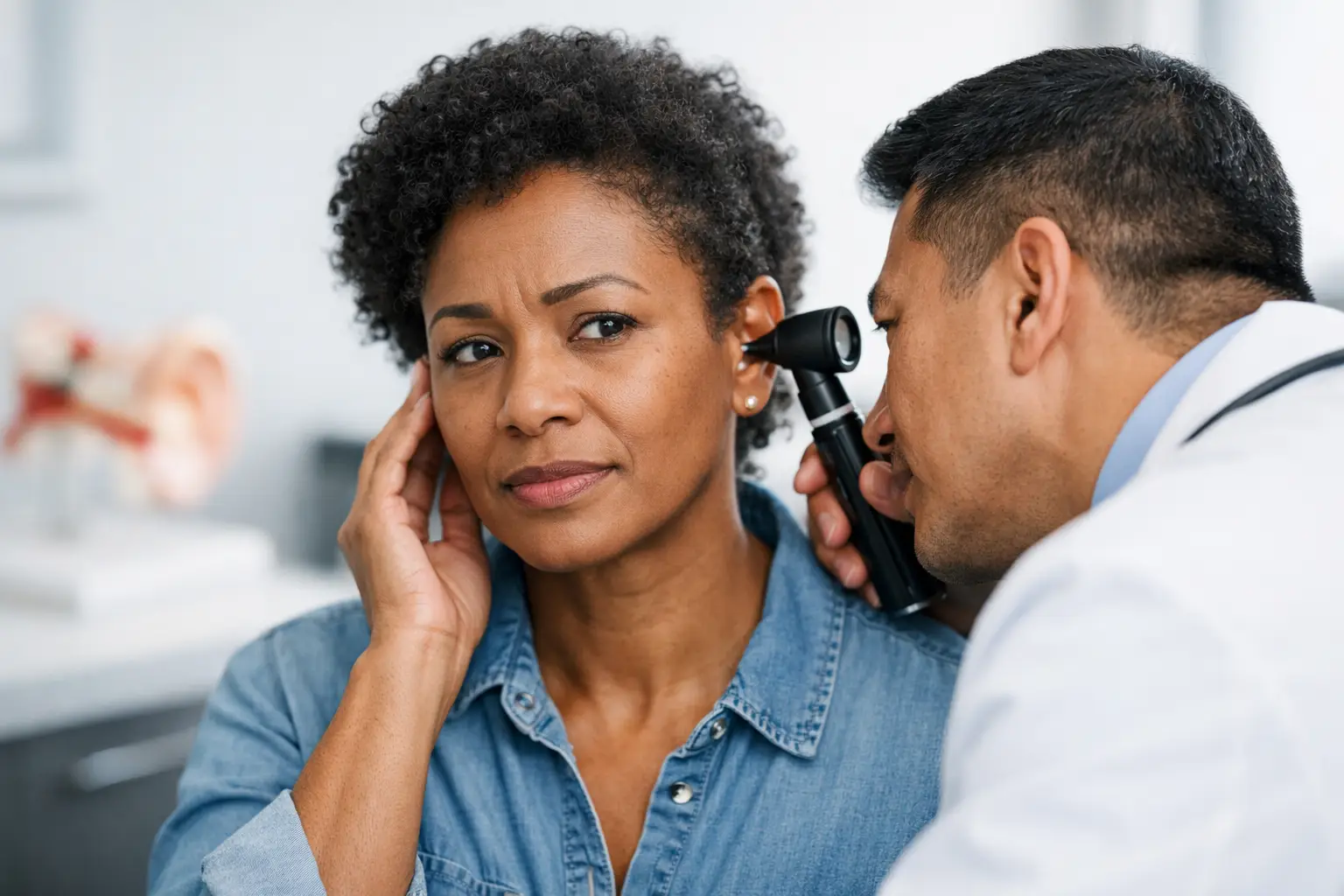
Professional wax removal may involve specialized tools, suction, or other methods chosen after the ear is examined.1 The best method depends on the wax, the ear canal, and a person’s medical history. It is not a one-size-fits-all process.
You have a history that makes home treatment a poor fit
Avoid putting drops or water into the ear without clinician guidance if you have ear tubes, a known or suspected eardrum opening, prior ear surgery, or a history of eardrum problems. People with diabetes, immune concerns, or significant skin conditions affecting the ear should also be especially cautious about self-treatment.1
For young children, adults who cannot clearly describe their symptoms, and anyone who wears hearing aids, an examination can be particularly helpful when blockage is suspected. The goal is not to overreact. It is to avoid treating the wrong problem or accidentally irritating a vulnerable ear.
Habits that can make earwax worse
The most common mistake is using cotton swabs inside the ear canal. Swabs may remove a little wax near the opening, but they often push the rest inward. They can also scratch the canal or pack wax against the eardrum.2 The same concern applies to bobby pins, fingernails, ear candles, and camera-guided scraping tools.
Ear candles deserve special mention: they do not safely remove wax, and heat or dripping wax can injure the ear.1 Strong water pressure is another poor choice. A shower stream, oral irrigator, or forceful home-flushing device can be too aggressive for the ear canal.
Hydrogen peroxide, carbamide peroxide, and isopropyl alcohol are also not the gentle default many people assume they are. They can be drying or irritating, especially for people already dealing with flaky, itchy, or sensitive ear-canal skin. If the ear feels dry and waxy rather than densely blocked, a simpler approach is often preferable.
Gentle everyday care for dry wax and mild buildup
For people without the cautions above and without concerning symptoms, the focus is usually on softening dry wax, not dissolving the ear’s natural protective layer. Mineral oil, coconut oil, and olive oil are commonly used as gentle options for dry-feeling earwax and ear-canal comfort. Safe Ear Care favors simple oil-based drops, including Auil Mineral Oil Ear Drops, Coconut Auil Coconut Oil Ear Drops, and Olive Auil Olive Oil Ear Drops, over harsh drying or bubbling formulas.
Disclosure: Dr. Stramiello is the founder of Oto Anthro (Otolaryngological Anthropology), the company that makes the Auil ear drops shown below, and SafeEarCare.com provides links to Amazon for purchase. That is a material financial relationship, and we disclose it plainly to remain transparent. The clinical guidance here does not change based on what we sell — any plain, purpose-made single oil will do the same job. Full disclosure.


Even gentle products are not meant to solve every blocked-ear situation. Stop using a product if it causes burning, pain, worsening fullness, or any unexpected symptom. If wax is compacted, if hearing is meaningfully affected, or if you are unsure whether the eardrum is intact, a clinician should assess the ear before further home care.
Between episodes, keep care simple. Clean only the outer ear with a soft cloth after bathing. Let the canal manage itself. If you use earbuds or hearing aids, clean those devices according to their instructions and give your ears regular breaks when possible. This can reduce the tendency to press wax inward and may make recurring buildup easier to manage.
What to expect at an earwax appointment
Many people delay an appointment because they expect wax removal to be painful or embarrassing. In reality, earwax is one of the most routine reasons for an ear examination. The clinician will first look in the ear. That step matters because wax can look and behave differently depending on whether it is soft, dry, impacted, close to the eardrum, or mixed with shed skin.
Removal may be quick, or it may require softening first and returning later. There is a trade-off between speed and safety: trying to remove every bit of stubborn wax immediately is not always the gentlest option. An exam also gives you a chance to ask whether your hearing aid, earbuds, water exposure, or current ear-care routine may be contributing to repeat buildup.
A calmer way to think about earwax
Earwax is not a personal hygiene failure, and the answer is rarely more aggressive cleaning. Think of it as a protective material that occasionally needs attention when it stops moving outward normally. The clearest reason to seek care is not simply seeing wax at the entrance of the ear. It is a meaningful change in comfort, hearing, or confidence about what is happening inside the ear.
If you are unsure whether a clogged sensation is ordinary wax or something else, choosing an examination can replace guesswork with a clear, safer path forward.
Sources
- Schwartz SR, Magit AE, Rosenfeld RM, et al. Clinical Practice Guideline (Update): Earwax (Cerumen Impaction). Otolaryngology–Head and Neck Surgery. 2017;156(1_suppl):S1–S29. American Academy of Otolaryngology–Head and Neck Surgery Foundation.
- National Institute on Deafness and Other Communication Disorders (NIDCD). Why You Shouldn’t Use Cotton Swabs to Clean Your Ears. National Institutes of Health.
- American Academy of Otolaryngology–Head and Neck Surgery. Earwax (Cerumen Impaction). ENThealth.org.
About the Author
Written and medically reviewed by Joshua A. Stramiello, MD, board-certified otolaryngologist (ear, nose, and throat physician). Last reviewed August 24, 2026.
Dr. Stramiello earned his Doctor of Medicine at the University of South Florida Morsani College of Medicine, completed his general surgery internship at Vanderbilt University Medical Center, and completed residency in Otolaryngology–Head & Neck Surgery at the University of California, San Diego. He has cared for ENT patients at Dartmouth-Hitchcock, Sanford Hospital, and West Suffolk Hospital in the UK, and his peer-reviewed research spans pediatric otolaryngology, airway surgery, and ear disease (Google Scholar).
The content on SafeEarCare.com is intended for educational purposes only and should not be considered medical advice. It is not a substitute for professional medical advice, diagnosis, or treatment. Always consult your physician or qualified healthcare provider regarding your individual health needs.
Discover more from Safe Ear Care
Subscribe to get the latest posts sent to your email.


