


Written and medically reviewed by Joshua A. Stramiello, MD — board-certified otolaryngologist (ear, nose, and throat physician).
Published July 19, 2026 · Last medically reviewed August 6, 2026 · Sources
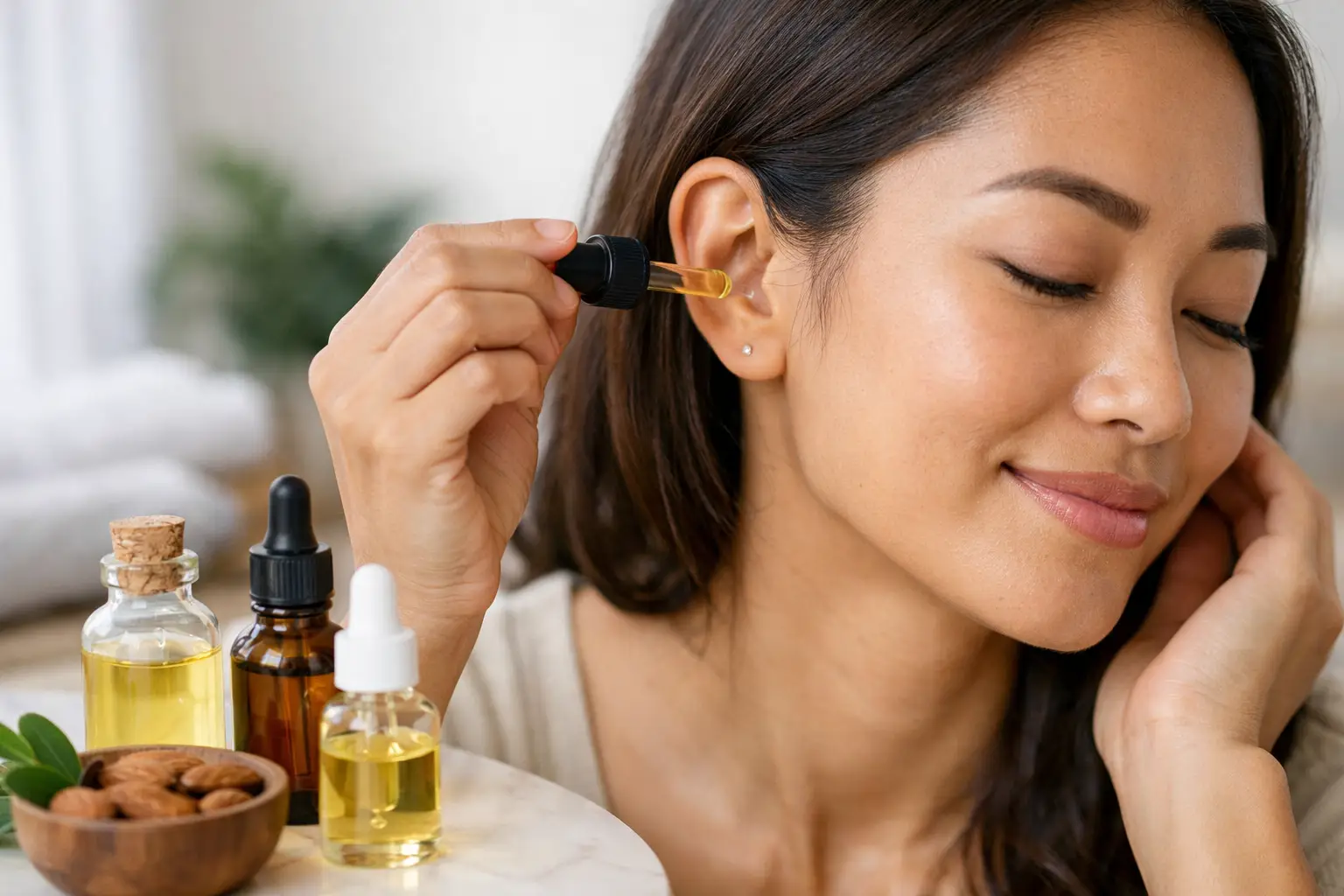
Quick answer: The best oils for dry earwax are mineral oil, coconut oil, and olive oil. All three gently soften dry, flaky wax and moisturize the ear canal without the bubbling or drying ingredients found in peroxide- and alcohol-based drops. Mineral oil is the most neutral starting point; coconut oil suits ears that also feel itchy; olive oil is a familiar traditional option.
Dry earwax can feel surprisingly distracting. A flaky, tight, or itchy ear canal may make earbuds, hearing aids, exercise, and even a warm shower less comfortable. For people looking for the best oils for dry earwax, the goal is not to aggressively clean the ear. It is to support moisture, soften wax gently, and avoid ingredients that can leave already-sensitive skin feeling worse.
ENT-informed ear care generally starts with a simple principle: earwax has a job. It helps trap debris, supports the ear canal’s natural protective barrier, and gradually moves outward on its own.1 When wax becomes dry or the ear canal feels irritated, a small amount of a simple oil-based ear drop may be a gentler option than harsh drying or bubbling formulas.
Why Dry Earwax Needs a Gentle Approach
Earwax varies from person to person. Some people naturally produce softer, more golden wax, while others tend to have drier, firmer wax that flakes or collects near the ear canal opening. Low humidity, frequent water exposure, sweat, over-cleaning, and the regular use of earbuds or hearing aids can all contribute to dryness and discomfort.
Cotton swabs can make this cycle worse. They may remove the small amount of wax that protects the canal’s skin, irritate the area, or push wax farther inward.2 The result can be a dry feeling at the entrance of the ear while wax remains compacted deeper inside.
A gentle oil does not scrub or dissolve the ear’s protective barrier. Instead, it can help condition dry wax and support a more comfortable environment in the outer ear canal. That is why simple oils are often favored over formulas designed to fizz, dry, or rapidly break wax apart.
The Best Oils for Dry Earwax
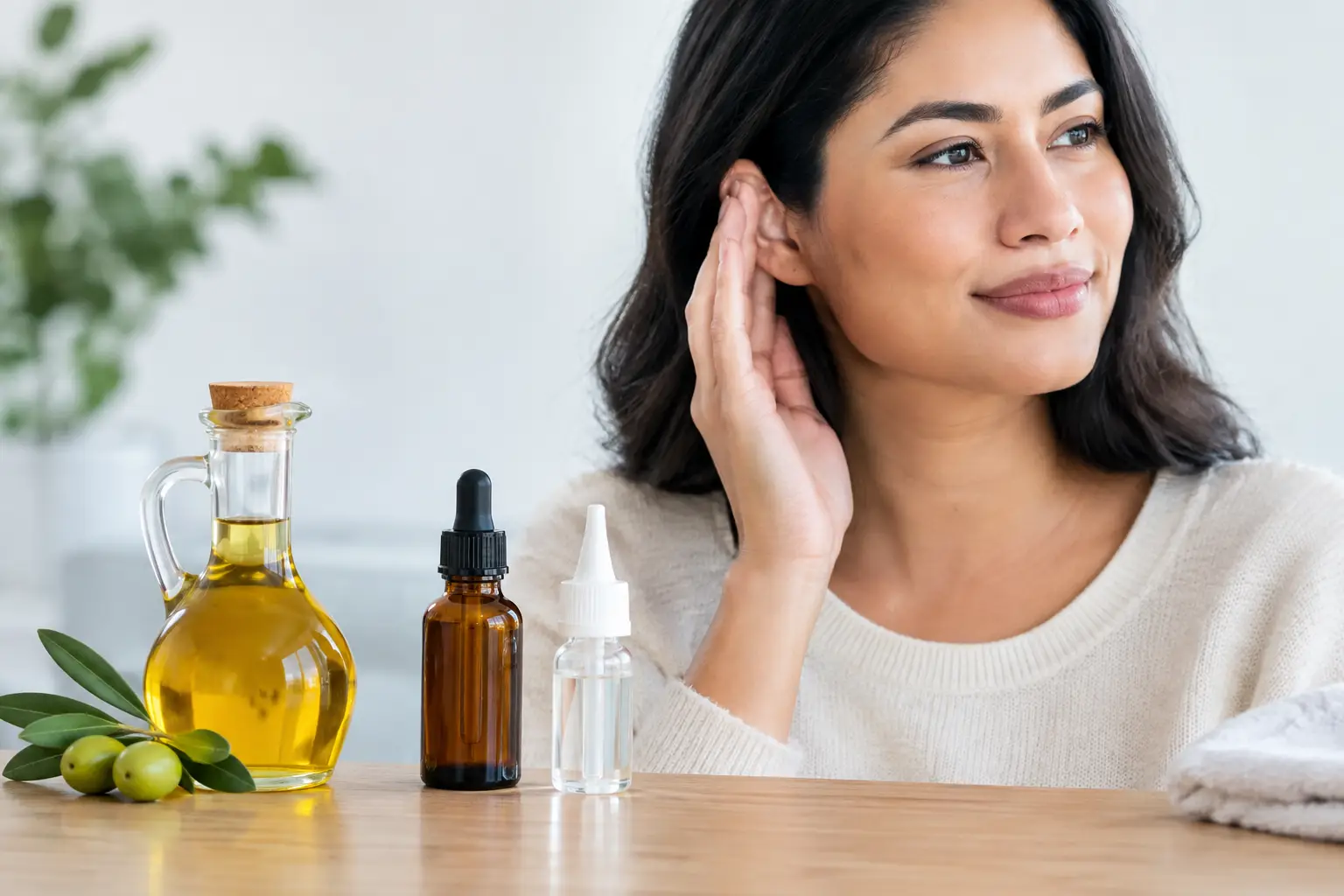
For routine dry earwax concerns, mineral oil, coconut oil, and olive oil are three straightforward choices. Each has a slightly different feel, so the best fit can depend on personal comfort, the texture of the wax, and how often dryness returns.
Mineral oil: a simple choice for dry, firm wax
Mineral oil is widely used in gentle ear-care routines because it is stable, smooth, and minimally complicated. It can coat and soften dry wax without the foaming action associated with peroxide-based drops. For someone whose earwax tends to feel hard, flaky, or stubbornly dry, mineral oil is often a practical first option.
It is also a sensible choice for people who want a consistent product with no strong scent and no unnecessary active ingredients. Auil Mineral Oil Ear Drops are an example of a single-oil option designed for this purpose. The appeal is simplicity: the ingredient is there to lubricate and soften, not to create an intense cleansing sensation.
Disclosure: Dr. Stramiello is the founder of Oto Anthro (Otolaryngological Anthropology), the company that makes the Auil ear drops shown below, and SafeEarCare.com provides links to Amazon for purchase. That is a material financial relationship, and we disclose it plainly to remain transparent. The clinical guidance here does not change based on what we sell — any plain, purpose-made single oil will do the same job. Full disclosure.

Coconut oil: comforting for recurring dryness
Coconut oil is another gentle option that many people prefer when the outer ear canal feels dry or itchy. Its richer texture can feel especially comfortable for people who notice dryness after swimming, sweating, or wearing earbuds for long stretches.
The key is choosing an ear drop intended for ear use rather than reaching for a kitchen product with an unknown consistency or storage history. Coconut Auil Coconut Oil Ear Drops offer a purpose-made option for those who favor coconut oil as part of a simple ear comfort routine.

Coconut oil may be especially appealing when dryness is the main concern. If the issue is more about dense wax buildup than surface dryness, mineral oil may feel like the more practical starting point. There is no need to use multiple oils at once. A consistent, simple approach is easier to monitor.
Olive oil: a familiar option for softening wax
Olive oil has long been used as a gentle oil for dry earwax. It has a familiar, light feel and can help condition wax that seems dry or compacted. For many adults, it is an approachable option because it is easy to understand: it moisturizes and softens rather than relying on strong active ingredients.
Olive Auil Olive Oil Ear Drops provide a dedicated olive-oil choice for people who prefer this traditional approach. As with mineral and coconut oil, the purpose is everyday comfort and wax softening, not deep cleaning. The ear is designed to move wax outward gradually, and oil can support that natural process without forcing it.

Oils to Choose Carefully and Ingredients to Avoid
Not every ear drop is equally suited to dry or sensitive ears. Products containing hydrogen peroxide or carbamide peroxide create bubbling action that may be useful in some wax-removal contexts, but they can feel drying or irritating for people whose ear canals are already dry, itchy, or easily bothered.
Alcohol-based ingredients, including isopropyl alcohol, can also be overly drying. That may be the opposite of what dry earwax needs. Strong formulas can create a temporary feeling of cleanliness while leaving the delicate skin of the ear canal less comfortable afterward.
Fragrances, essential oils, and multi-ingredient blends deserve caution as well. The ear canal is not a place to experiment with concentrated oils or homemade mixtures. A plain, purpose-made mineral, coconut, or olive oil drop keeps the routine focused and reduces unnecessary exposure to ingredients that may sting or irritate.
Everyday Situations Where Oil-Based Drops May Help
Dry earwax is not always noticeable until a daily habit brings it to the surface. Hearing aid users may notice that their ears feel dry where the device rests or that wax collects more easily around the ear canal entrance. Earbud users can experience a similar issue, particularly when earbuds are worn for work calls, commuting, or workouts.
Water and sweat can also change how the ears feel. Swimming, showering, and humid exercise sessions may wash away some of the natural oils that keep ear canal skin comfortable. Once the ear dries, wax can feel firmer or the canal can feel itchy. A gentle oil-based routine may be more supportive than repeated cleaning.
Seasonal changes matter, too. Indoor heating and dry outdoor air can contribute to dry skin throughout the body, including at the opening of the ear canal. When this happens, the most helpful response is usually less friction and fewer harsh products, not more digging or cleaning.
Safer Habits for Managing Dry Earwax
The most useful habit is to leave the inside of the ear alone as much as possible. Avoid inserting cotton swabs, fingernails, ear picks, or other tools into the ear canal.4 These can scrape sensitive skin, compress wax, and make a manageable comfort issue harder to resolve.
Use only products clearly intended for ear use and follow their labeled directions. Keep the outside of the ear clean with a soft washcloth, then let the ear canal handle its own natural housekeeping. If you wear hearing aids or earbuds, clean the devices regularly according to their manufacturer instructions so wax and moisture are not repeatedly transferred back to the ear.
It also helps to notice patterns. If dryness consistently follows pool time, long headphone sessions, or frequent washing, reducing irritation around that trigger may make a bigger difference than changing products repeatedly. Ear comfort is often built through small, steady habits.
When Dry Earwax May Need Professional Attention
Dryness and wax buildup can overlap with other ear concerns, and not every symptom should be managed with an at-home product. Ear pain, drainage, bleeding, a sudden change in hearing, persistent fullness, dizziness, or symptoms that continue despite gentle care are reasons to seek a professional assessment.3
Oil-based drops are also not appropriate for every ear history. People who have had ear surgery, have ear tubes, have been told they have a perforated eardrum, or are unsure about the condition of their eardrum should get individualized guidance from a qualified clinician before putting drops in the ear.
A comfortable ear-care routine is usually a quiet one: no scraping, no harsh bubbling, and no need to chase a perfectly wax-free ear. Choosing a simple oil that suits your needs, then giving the ear time to do what it was designed to do, can be a calm and practical way to support everyday ear comfort.
Frequently Asked Questions
Which oil is best for dry earwax?
Mineral oil is the most neutral, stable starting point. Coconut oil suits ears that also feel itchy, and olive oil is a familiar traditional option. All three gently soften dry wax — the best one is the one your ears tolerate comfortably.
How often should I use oil drops for dry earwax?
Follow the product label — typically a few drops at a time, used over several days when wax feels dry or uncomfortable. Oil drops are for maintenance and softening, not a daily requirement for healthy ears.
Do oil drops remove earwax?
They soften it so the ear’s natural migration can carry it out. They do not dissolve or flush wax — and softened wax should never be followed with cotton swabs or digging.
Is dry, flaky earwax normal?
Often, yes — wax texture varies by person, age, climate, and device use. It only needs attention when it causes discomfort, itching, or a blocked feeling, and persistent blockage deserves a professional look.
Sources
- Schwartz SR, Magit AE, Rosenfeld RM, et al. Clinical Practice Guideline (Update): Earwax (Cerumen Impaction). Otolaryngology–Head and Neck Surgery. 2017;156(1_suppl):S1–S29. American Academy of Otolaryngology–Head and Neck Surgery Foundation.
- National Institute on Deafness and Other Communication Disorders (NIDCD). Why You Shouldn’t Use Cotton Swabs to Clean Your Ears. National Institutes of Health.
- American Academy of Otolaryngology–Head and Neck Surgery. Earwax (Cerumen Impaction). ENThealth.org.
- American Academy of Otolaryngology–Head and Neck Surgery Foundation. Dos and Don’ts of Earwax (patient handout).
About the Author
Written and medically reviewed by Joshua A. Stramiello, MD, board-certified otolaryngologist (ear, nose, and throat physician). Last reviewed August 6, 2026.
Dr. Stramiello earned his Doctor of Medicine at the University of South Florida Morsani College of Medicine, completed his general surgery internship at Vanderbilt University Medical Center, and completed residency in Otolaryngology–Head & Neck Surgery at the University of California, San Diego. He has cared for ENT patients at Dartmouth-Hitchcock, Sanford Hospital, and West Suffolk Hospital in the UK, and his peer-reviewed research spans pediatric otolaryngology, airway surgery, and ear disease (Google Scholar).
The content on SafeEarCare.com is intended for educational purposes only and should not be considered medical advice. It is not a substitute for professional medical advice, diagnosis, or treatment. Always consult your physician or qualified healthcare provider regarding your individual health needs.
Discover more from Safe Ear Care
Subscribe to get the latest posts sent to your email.


Permalink
Permalink
Permalink