


Written and medically reviewed by Joshua A. Stramiello, MD — board-certified otolaryngologist (ear, nose, and throat physician).
Published July 24, 2026 · Last medically reviewed August 6, 2026 · Sources
Quick answer: The best ear care products for swimmers are simple: gentle oil-based ear drops for dryness (mineral, coconut, or olive oil), well-fitting swim earplugs, and a clean towel for the outer ear. Skip alcohol- and peroxide-based drying drops, which can leave sensitive ears worse.
A long swim can leave ears feeling tight, itchy, or simply uncomfortable long after the towel comes out. The best ear care products for swimmers are not necessarily the strongest or most complicated options. For everyday prevention and comfort, the goal is to protect the ear’s natural balance, manage moisture gently, and avoid products that can leave already-sensitive ear canals feeling drier.
Pool chemicals, lake water, ocean salt, sweat, and frequent showering can all affect the delicate skin at the entrance of the ear canal. Add earbuds, hearing aids, or a tendency toward dry earwax, and a simple swim-day routine can make a meaningful difference in how your ears feel.
What swimmers need from ear care products
Swimmers often look for a quick way to dry their ears after getting out of the water. That makes sense, but many conventional drying drops rely on alcohol or other harsh ingredients. These formulas may create a temporary dry sensation, yet they can also be uncomfortable for people prone to dry, itchy, or irritated ears.
A more ear-friendly approach focuses on gentle maintenance. Mineral oil, coconut oil, and olive oil are commonly used to support dry earwax and help the ear canal feel more comfortable when water exposure, sweat, or frequent cleaning has left the area feeling dry. They do not replace the body’s normal earwax process. Instead, they can support the softness and natural movement of earwax for people who experience dryness.
The right choice depends on your ears, how often you swim, and whether you use devices such as hearing aids or earbuds. A person who swims laps several times a week may need a more consistent comfort routine than someone who visits the pool once a month.
The best ear care products for swimmers
Gentle oil-based ear drops
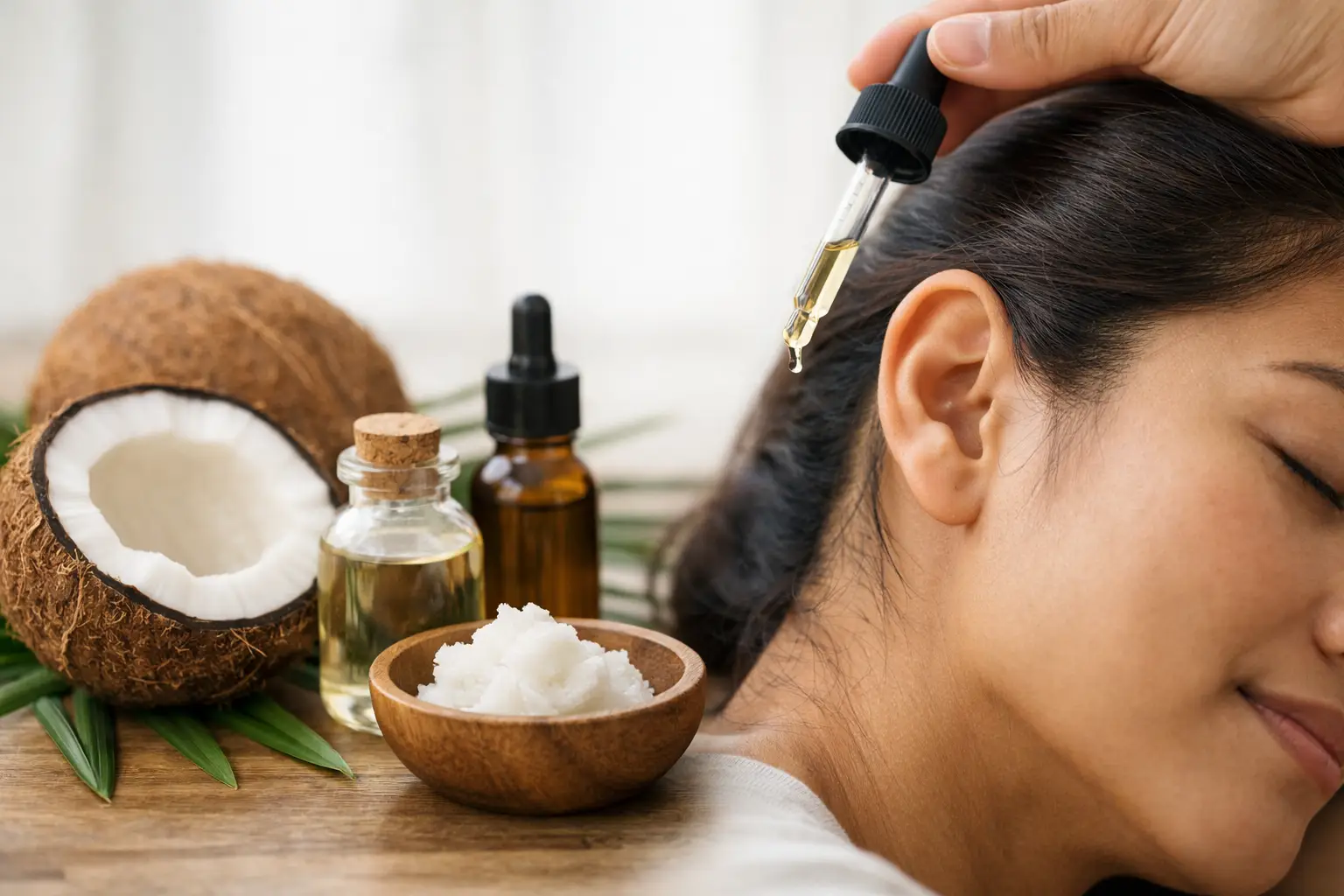
For swimmers dealing with dry or itchy ears, simple oil-based ear drops are often the most sensible product category to consider. Mineral oil, coconut oil, and olive oil can help condition dry earwax and support comfort after regular exposure to water and chlorine.
Safe Ear Care favors uncomplicated oil-based options over peroxide- or alcohol-based drops. Auil Mineral Oil Ear Drops, Coconut Auil Coconut Oil Ear Drops, and Olive Auil Olive Oil Ear Drops are examples of products made with this gentler approach in mind. Each oil has a slightly different feel, but the central benefit is the same: a simple, moisture-supporting option without relying on harsh drying ingredients.
Disclosure: Dr. Stramiello is the founder of Oto Anthro (Otolaryngological Anthropology), the company that makes the Auil ear drops shown below, and SafeEarCare.com provides links to Amazon for purchase. That is a material financial relationship, and we disclose it plainly to remain transparent. The clinical guidance here does not change based on what we sell — any plain, purpose-made single oil will do the same job. Full disclosure.


Mineral oil is a familiar choice for people who want a light, straightforward option for dry earwax. Coconut oil may appeal to people who prefer a plant-based oil with a smooth feel. Olive oil is another traditional, gentle option for supporting earwax softness. There is no need to own all three. Choosing one simple product and using it thoughtfully is usually more practical than constantly switching formulas.
Oil drops are not right for every situation. People with ear tubes, a known eardrum opening, recent ear procedures, ear drainage, or sudden changes in hearing should seek guidance from a qualified healthcare professional before placing any drops in the ear.1
Well-fitting swim earplugs
Swim earplugs can reduce the amount of water that enters the outer ear during laps, water aerobics, surfing, or playtime at the pool.2 They are especially useful for people who know their ears become uncomfortable after nearly every swim.
Fit matters more than the material alone. A poorly fitting plug may leak, create pressure, or rub the outer ear. Soft, reusable silicone plugs can work well for many adults, while molded options may be worth considering for frequent swimmers who struggle with standard sizes. Parents should choose earplugs designed for their child’s age and make sure the child can comfortably tolerate them.
Earplugs need regular cleaning and complete drying between uses. Storing damp plugs in a closed case can make them unpleasant to wear and shorten their usable life. Replace them when they become stiff, cracked, misshapen, or difficult to clean.
A clean, absorbent towel
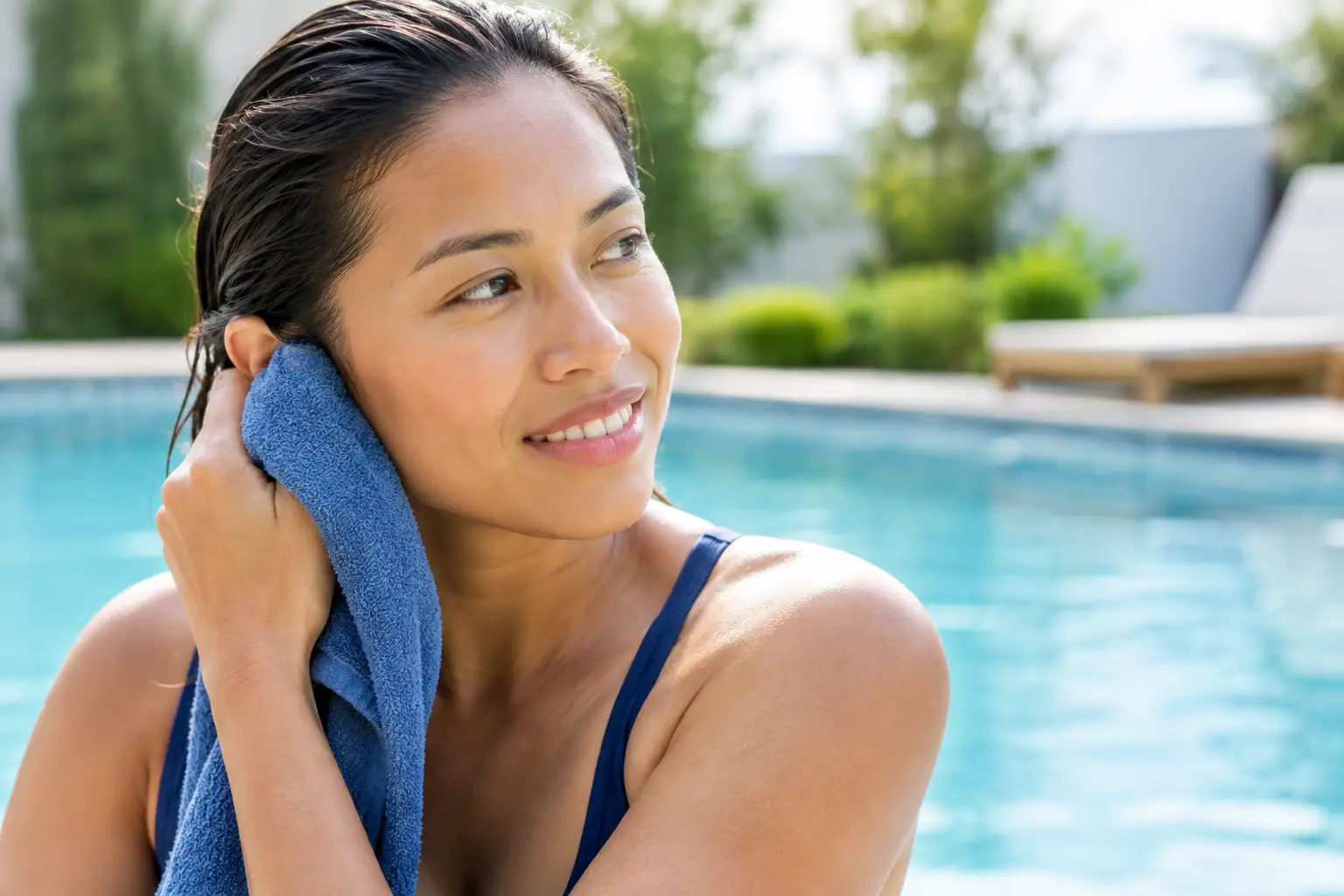
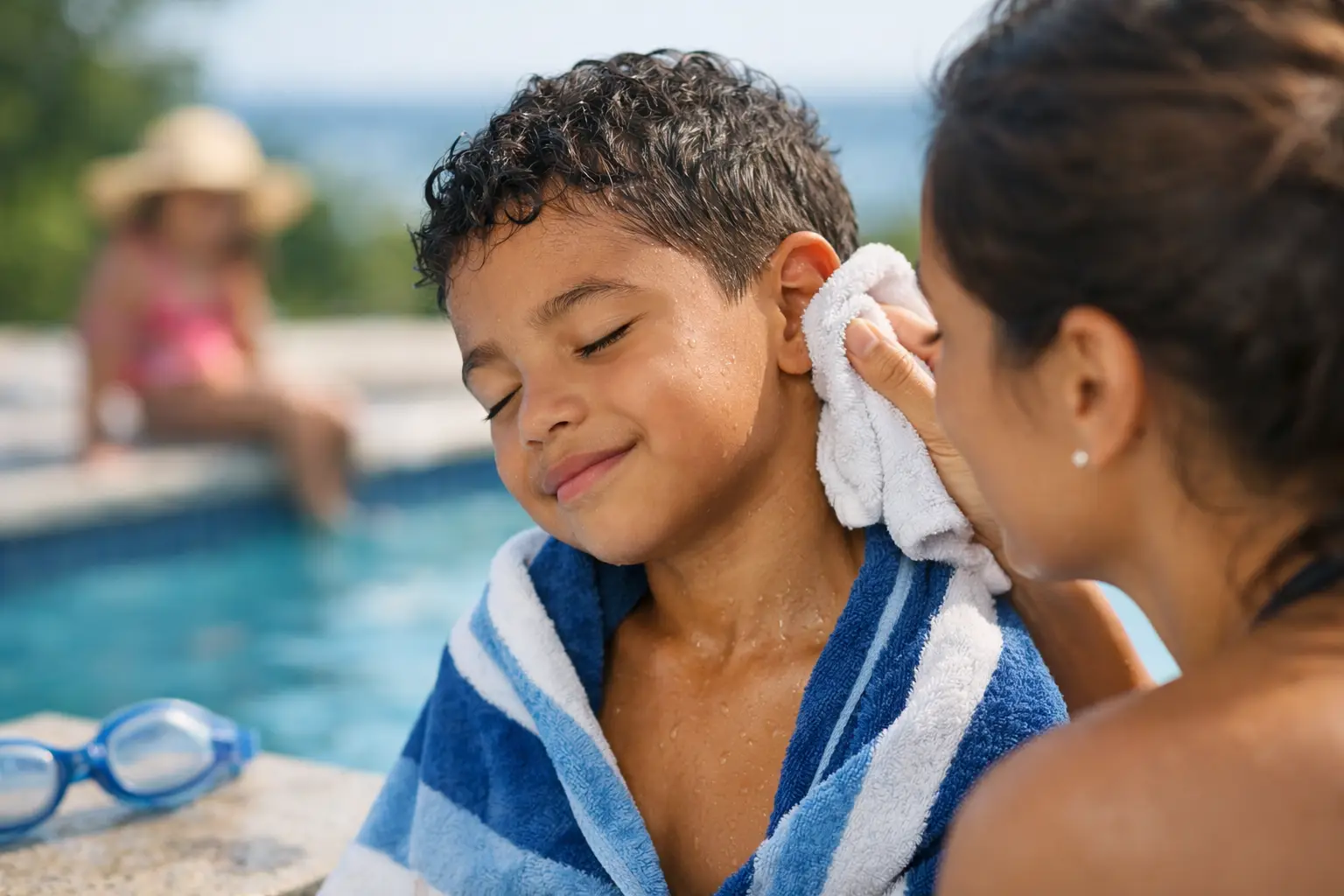
A towel may sound too ordinary to count as ear care, but it is one of the most useful tools in a swimmer’s routine. Gently drying the outer ear after swimming helps remove visible water without pushing anything farther into the canal.5
Use a clean, soft corner of the towel around the outer ear only. Avoid twisting tissue, towel corners, cotton swabs, or fingers into the ear canal. The ear is designed to move wax outward on its own, and inserting objects can disrupt that process or pack wax inward.3
A swim cap or headband for added protection
For some swimmers, a snug swim cap helps keep earplugs in place and limits repeated splashing around the ears. A water-sport headband can serve a similar purpose for children or for adults who find that plugs shift during active movement.
This is not essential for every swimmer. It is most helpful when water exposure is frequent or when an earplug tends to loosen during laps. Comfort should guide the decision. Headwear that feels overly tight may create more distraction than benefit.
Products and habits to skip
The quickest-feeling solution is not always the gentlest one. Safe Ear Care does not recommend ear drops containing hydrogen peroxide, carbamide peroxide, isopropyl alcohol, or similar drying ingredients for routine swimmer comfort. These products can be especially unappealing when ears already feel dry, itchy, or irritated after water exposure.
Cotton swabs are another common problem. They may remove a little wax from the entrance of the ear, but they can also push wax deeper and scratch delicate skin. Ear candles should also be avoided. They do not offer a safe or reliable way to manage earwax or post-swim moisture.4
Skip aggressive at-home flushing as well. If earwax feels persistently blocked, or if you notice pain, drainage, dizziness, new ringing, or a change in hearing, a healthcare professional can help determine the appropriate next step.
A simple before-and-after swim routine
Before swimming, decide whether earplugs would make the session more comfortable. This is particularly useful for people with recurring water-related ear sensitivity, frequent swimmers, and children who spend long stretches in the pool. Make sure plugs are clean, dry, and seated comfortably rather than forced deeply into the ear.
After swimming, tip your head gently to each side and allow water to drain naturally. Dry the outer ear with a soft towel. If your ears tend to feel dry rather than simply wet after swimming, an oil-based ear drop routine may be a better fit than a harsh drying drop, provided it is appropriate for your individual ear history.
If you wear hearing aids or earbuds, give your ears a little time to air out before putting devices back in. Wipe moisture from the devices according to the manufacturer’s care instructions. Trapping moisture against the ear immediately after a swim can add to discomfort, especially during humid summer months.
How to choose based on your swim routine
An occasional vacation swimmer may only need a clean towel, sensible earplug use when desired, and a gentle comfort product for dry earwax. A competitive swimmer or regular lap swimmer may benefit from keeping a consistent kit in their swim bag: clean earplugs, a storage case, a soft towel, and a simple oil-based ear-care option used appropriately.
For parents, the best routine is usually the easiest one to repeat. Teach children to dry around the ears, never put objects into the canal, and tell an adult if an ear feels blocked or uncomfortable. Prevention works best when it feels like a normal part of getting changed after the pool.
Healthy ear care after swimming does not need to be harsh or complicated. A gentle routine, clean gear, and respect for the ear’s natural self-cleaning process can help make more pool days feel comfortable from the first lap to the ride home.
Frequently Asked Questions
Do swimmers need special ear drops?
Not necessarily — but swimmers prone to dry, itchy ears do better with gentle oil-based drops than with alcohol-based drying drops, which strip the canal skin chlorine has already stressed.
Do earplugs prevent swimmer’s ear?
Well-fitting swim earplugs reduce how much water enters the canal, which helps swimmers who get irritated ears after nearly every session. Fit matters most — a plug that rubs or leaks can cause more trouble than it prevents.
What should I do with my ears right after swimming?
Tilt your head to each side to let water drain, towel-dry only the outer ear, and give ears air time before putting in earbuds or hearing aids. Never insert swabs or tissue to dry the canal.
Are alcohol-based swimmer’s ear drops safe?
They create a temporary dry feeling but can be harsh on dry, itchy, or sensitive ears. For routine post-swim comfort, gentler moisture-supporting care is usually the better trade-off.
Sources
- Schwartz SR, Magit AE, Rosenfeld RM, et al. Clinical Practice Guideline (Update): Earwax (Cerumen Impaction). Otolaryngology–Head and Neck Surgery. 2017;156(1_suppl):S1–S29. American Academy of Otolaryngology–Head and Neck Surgery Foundation.
- Rosenfeld RM, Schwartz SR, Cannon CR, et al. Clinical Practice Guideline: Acute Otitis Externa (Update). Otolaryngology–Head and Neck Surgery. 2014;150(1_suppl):S1–S24.
- National Institute on Deafness and Other Communication Disorders (NIDCD). Why You Shouldn’t Use Cotton Swabs to Clean Your Ears. National Institutes of Health.
- American Academy of Otolaryngology–Head and Neck Surgery. Earwax (Cerumen Impaction). ENThealth.org.
- Centers for Disease Control and Prevention. About Healthy Swimming. CDC.
About the Author
Written and medically reviewed by Joshua A. Stramiello, MD, board-certified otolaryngologist (ear, nose, and throat physician). Last reviewed August 6, 2026.
Dr. Stramiello earned his Doctor of Medicine at the University of South Florida Morsani College of Medicine, completed his general surgery internship at Vanderbilt University Medical Center, and completed residency in Otolaryngology–Head & Neck Surgery at the University of California, San Diego. He has cared for ENT patients at Dartmouth-Hitchcock, Sanford Hospital, and West Suffolk Hospital in the UK, and his peer-reviewed research spans pediatric otolaryngology, airway surgery, and ear disease (Google Scholar).
The content on SafeEarCare.com is intended for educational purposes only and should not be considered medical advice. It is not a substitute for professional medical advice, diagnosis, or treatment. Always consult your physician or qualified healthcare provider regarding your individual health needs.
Discover more from Safe Ear Care
Subscribe to get the latest posts sent to your email.