
Written and medically reviewed by Joshua A. Stramiello, MD — board-certified otolaryngologist (ear, nose, and throat physician).
Published November 15, 2026 · Last medically reviewed November 16, 2026 · Sources
Quick answer: Choose a soft, water-specific plug — moldable silicone, flanged reusable, or custom-molded — that rests at the ear opening, stays put when you move your jaw and turn your head, and never has to be pushed deep into the canal. Fit matters more than packaging claims, and foam noise-reduction plugs are a poor match for swimming. After a swim, let water drain, towel-dry only the outer ear, and skip cotton swabs. See a doctor for pain, drainage, bleeding, hearing changes, or blockage that does not settle.
A pair of swim earplugs can look perfectly fine on the shelf and still be wrong for your ears. If they loosen during a lap, press painfully at the ear opening, or leave you feeling blocked up afterward, they are not doing their job well. Knowing how to choose swim earplugs comes down to more than picking the first waterproof pair you see. The right choice should stay in place comfortably, suit the way you swim, and support a sensible, prevention-first ear-care routine.
Start With Why You Need Swim Earplugs
People wear swim earplugs for different reasons. Some want to limit the amount of pool, lake, or ocean water entering the ear canal. Others find that water exposure leaves their ears feeling dry, itchy, or irritated. Parents may be looking for a secure option for a child who spends long days in the pool. The best style depends on the situation.
If you swim occasionally in a calm pool, a simple reusable pair may be enough. If you train frequently, surf, participate in water sports, or have ear anatomy that makes standard plugs hard to keep in place, fit and retention become much more important. Earplugs are a barrier, not a reason to ignore persistent discomfort or changes in hearing after swimming.
It also helps to set realistic expectations. Swim earplugs can reduce water entry, but no earplug can guarantee a completely dry ear in every movement, especially when diving, turning forcefully, or swimming in waves. A secure and comfortable seal is a more useful goal than chasing a perfect, pressure-heavy seal.
How to Choose Swim Earplugs by Type
The material and design affect comfort, durability, and how much adjustment is possible. There is no single best type for every swimmer.
Moldable silicone plugs
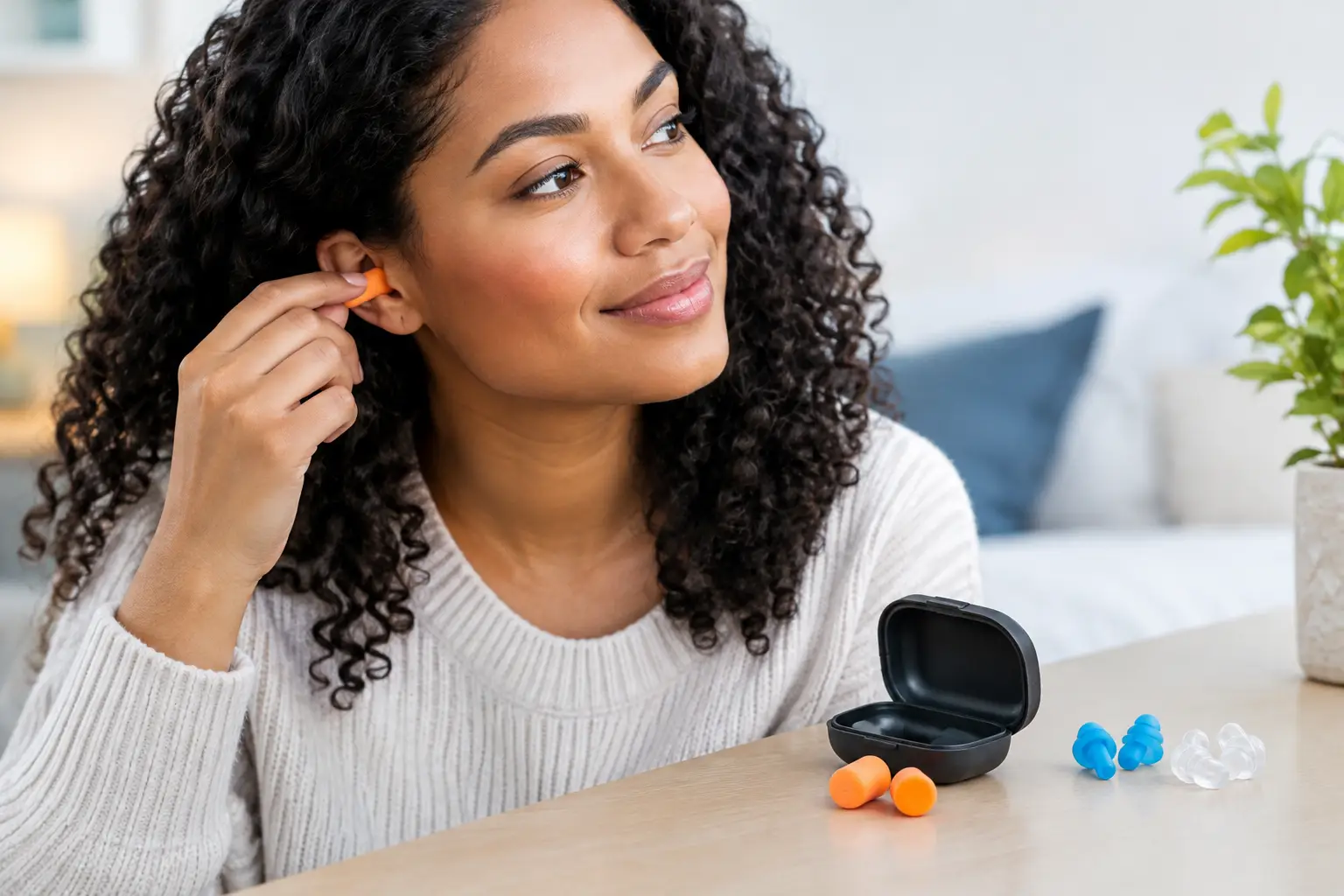
Moldable silicone plugs are soft pieces of material that are pressed over the entrance of the ear canal. They do not usually go deep into the canal, which many people find reassuring. They can be a practical choice for adults and children because the material can be shaped to the outer ear.
Their main advantage is flexibility. Their main trade-off is that they may lose their stickiness or shape over time, particularly if they are not kept clean and dry between uses. They should be pressed gently over the opening, not pushed down inside the ear canal.
Pre-molded reusable plugs
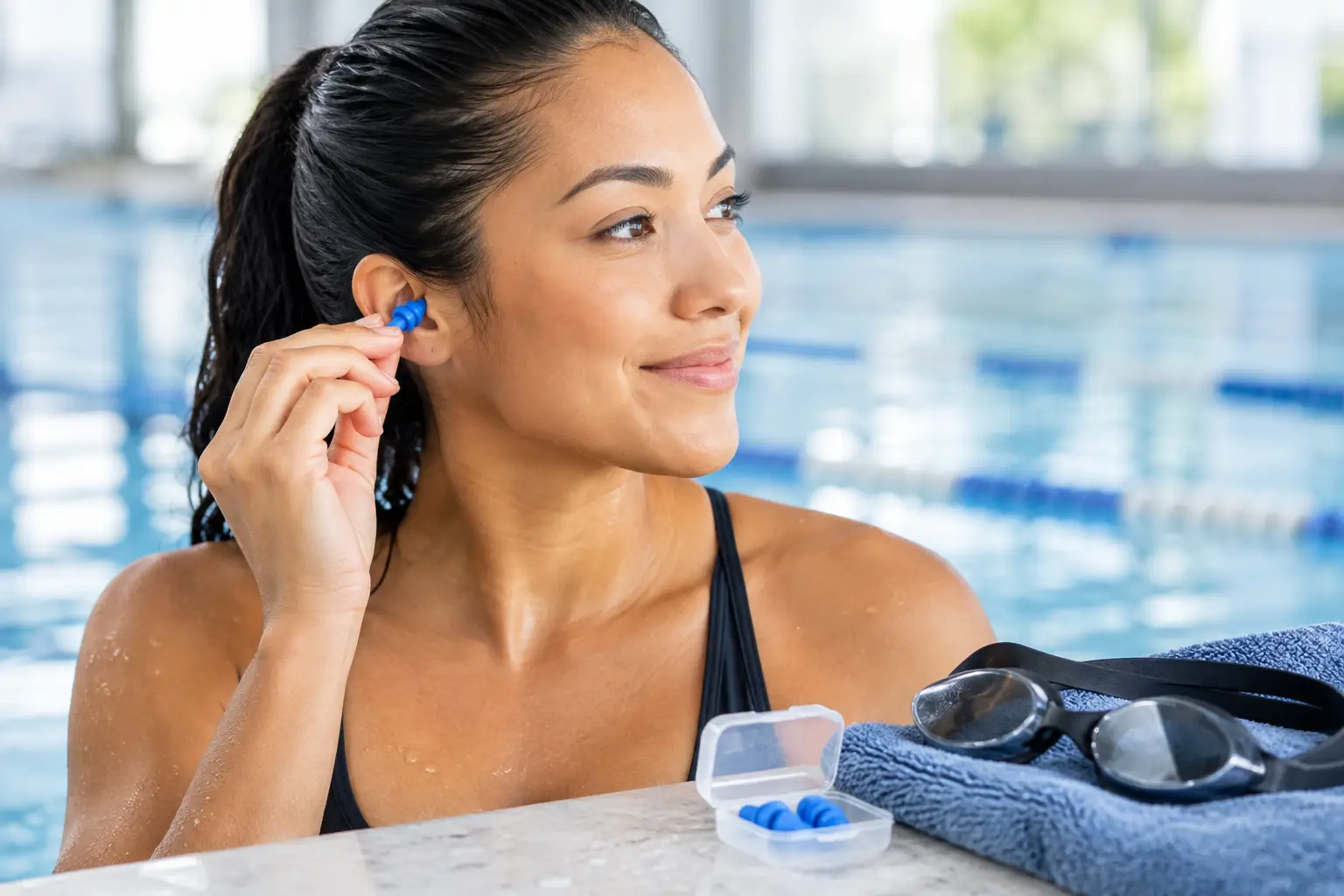
Pre-molded swim plugs often have flanges, or soft tiers, that sit at the ear opening and create a seal. They are made in several sizes and may include a stem for easier removal. This design can work well for lap swimmers because it is quick to insert and reuse.
The fit is less customizable than moldable silicone, so sizing matters. A plug that feels too large can create pressure and soreness. One that feels too small may shift when you push off the wall or turn your head to breathe.
Custom-molded plugs
Custom-molded earplugs are shaped to an individual ear by a hearing-care or ear-care professional. They tend to be the most stable option for people who swim often, struggle with off-the-shelf fits, or need a repeatable seal for water sports.
They cost more than standard options and require an appointment, so they are not necessary for everyone. Still, they can be worthwhile when a swimmer has tried several store-bought styles without finding one that stays comfortable and secure.
Ear bands and retaining straps
An ear band is a neoprene or similar headband that covers the ears and helps hold plugs in position. It can be particularly useful for children, active swimmers, and anyone whose plugs tend to work loose. The band should feel snug but not tight enough to cause a headache or force the plugs deeper into the ears.
A band is a helpful backup, not a substitute for properly fitting plugs. If the plugs themselves are painful or repeatedly fall out, changing size or style is usually the better next step.
Prioritize Fit Over Packaging Claims
The most protective swim earplug is the one you can wear correctly for the full swim. A product may advertise a universal fit, but ears are not universal. One ear can even differ slightly from the other, so avoid assuming both sides need the exact same insertion approach.
A comfortable plug should sit at the outer entrance of the ear canal and feel secure without sharp pressure. You may notice a slight change in how outside sound reaches you, which is normal. You should not feel throbbing, pinching, deep pain, or a strong plugged sensation that continues after removal.
Try the fit before getting in the water. Move your jaw, turn your head, and gently tug the outer ear. If the plug shifts easily, it may be too small, inserted incorrectly, or simply not the right design for your ear. If it takes force to insert or remove, it may be too large or positioned too deeply.
For children, an adult should handle placement rather than asking a child to push plugs in independently. The goal is a light, secure cover at the ear opening, not a plug packed into the canal.
Look for Materials That Feel Comfortable on Your Skin
Most swim earplugs are made from silicone, thermoplastic elastomer, rubber-like materials, or foam. For swimming, soft silicone and reusable water-specific materials are generally more practical than ordinary foam earplugs. Foam plugs are designed mainly for noise reduction and can absorb water, making them a poor match for repeated swimming.
If you have sensitive skin, look for a smooth, non-irritating material and stop using a pair that causes redness, itching, or soreness around the outer ear. Fragrance, coatings, and unnecessary additives are rarely helpful in a product intended for a sensitive area.
Cleanliness matters just as much as material. Reusable plugs collect sunscreen, hair products, earwax, and moisture. Wash them according to the manufacturer’s directions, let them dry fully, and store them in a clean ventilated case. Replace moldable or reusable plugs when they become dirty, damaged, stiff, or difficult to clean.
Match the Plug to Your Swimming Routine
A swimmer doing relaxed laps may prefer a low-profile reusable plug that is easy to remove after a session. Someone swimming in open water may value a more secure flanged plug, possibly paired with a retaining band. A child at swim lessons may benefit from a moldable style and an ear band, provided both are comfortable and supervised.
Consider whether you need to hear instructions, traffic around a pool deck, or a coach. Swim earplugs may reduce sound somewhat, but they are not always designed to block noise completely. Avoid relying on them as hearing protection in loud environments. Their main purpose is water management.
For people who use hearing aids, remove and safely store the devices before swimming unless the manufacturer specifically states otherwise. After a swim, make sure the outer ear is dry before putting devices back on. Moisture trapped between the ear, a hearing aid, or earbuds can add to everyday discomfort.
Use Swim Earplugs Without Overdoing Ear Cleaning
A common mistake is trying to make the ears feel “extra clean” after every swim. Cotton swabs and other objects can push wax farther inward or irritate the delicate skin of the ear canal.1 In most cases, the ear’s natural wax is protective, not a problem to be scrubbed away.2
After swimming, gently dry the outer ear with a clean towel and allow time for any moisture near the opening to evaporate. Do not insert towels, swabs, fingers, or earplug stems into the canal to chase water out.
If frequent water exposure leaves your ears feeling dry or itchy, avoid harsh ear drops containing alcohol, hydrogen peroxide, or carbamide peroxide. Safe Ear Care favors simple oil-based options such as mineral oil, coconut oil, or olive oil drops for everyday dryness and wax comfort, when appropriate for the individual. If you have a history of ear procedures, ear tubes, a known eardrum concern, or unexplained ear symptoms, get personalized guidance from a qualified clinician before putting any drops in your ears.
Disclosure: Dr. Stramiello is the founder of Oto Anthro (Otolaryngological Anthropology), the company that makes the Auil ear drops shown below, and SafeEarCare.com provides links to Amazon for purchase. That is a material financial relationship, and we disclose it plainly to remain transparent. The clinical guidance here does not change based on what we sell — any plain, purpose-made single oil will do the same job. Full disclosure.


Know When to Stop Using a Pair
Do not keep forcing a pair of plugs because they were expensive or highly rated. Stop using them if they cause pain, persistent pressure, skin irritation, bleeding, drainage, notable hearing changes, dizziness, or symptoms that do not settle after you remove them. These signs call for professional evaluation rather than another attempt at insertion.
The same goes for ongoing discomfort after swimming. Earplugs can be part of a preventive routine, but they are not meant to mask a problem that keeps returning. An ear-care professional can help identify whether the issue is fit, wax, skin sensitivity, or something else that needs attention.
A Simple Pre-Swim Check
Before heading into the water, inspect each plug for tears, hard edges, or buildup. Make sure your ears and the plugs are dry, place the plugs gently at the ear opening, and check that they remain comfortable when you move your jaw and head. After swimming, remove them slowly, rinse or clean them as directed, and let them dry before storing.
The right swim earplugs should fade into the background of your routine. When they fit well, feel comfortable, and are cared for properly, you can spend less time thinking about your ears and more time enjoying the water.
Sources
- National Institute on Deafness and Other Communication Disorders (NIDCD). Why You Shouldn’t Use Cotton Swabs to Clean Your Ears. National Institutes of Health.
- Schwartz SR, Magit AE, Rosenfeld RM, et al. Clinical Practice Guideline (Update): Earwax (Cerumen Impaction). Otolaryngology–Head and Neck Surgery. 2017;156(1_suppl):S1–S29. American Academy of Otolaryngology–Head and Neck Surgery Foundation.
About the Author
Written and medically reviewed by Joshua A. Stramiello, MD, board-certified otolaryngologist (ear, nose, and throat physician). Last reviewed November 16, 2026.
Dr. Stramiello earned his Doctor of Medicine at the University of South Florida Morsani College of Medicine, completed his general surgery internship at Vanderbilt University Medical Center, and completed residency in Otolaryngology–Head & Neck Surgery at the University of California, San Diego. He has cared for ENT patients at Dartmouth-Hitchcock, Sanford Hospital, and West Suffolk Hospital in the UK, and his peer-reviewed research spans pediatric otolaryngology, airway surgery, and ear disease (Google Scholar).
The content on SafeEarCare.com is intended for educational purposes only and should not be considered medical advice. It is not a substitute for professional medical advice, diagnosis, or treatment. Always consult your physician or qualified healthcare provider regarding your individual health needs.
Discover more from Safe Ear Care
Subscribe to get the latest posts sent to your email.