
Written and medically reviewed by Joshua A. Stramiello, MD — board-certified otolaryngologist (ear, nose, and throat physician).
Published November 7, 2026 · Last medically reviewed November 9, 2026 · Sources
Quick answer: Safe earplugs are purpose-made, fit comfortably without being forced into the ear canal, stay clean, and match the noise around you. Proper fit and consistent use matter more than a high NRR number. Never use cotton swabs or other objects in the ear, and see a doctor for pain, drainage, bleeding, sudden hearing changes, or an earplug you cannot remove easily.
A good pair of earplugs should make life quieter without making your ears feel sore, blocked, itchy, or pressured. This guide to safe earplugs explains how to choose, fit, clean, and use them with everyday ear comfort in mind – whether you need rest on a noisy night, focus at work, protection around loud tools, or a little relief from busy travel.
Earplugs are simple, but they are not one-size-fits-all. The safest choice depends on the noise around you, how long you plan to wear them, and whether your ears tend to become dry or irritated. Small habits matter just as much as the earplug material: clean hands, a comfortable fit, and knowing when to give your ears a break can prevent many common problems.
What Makes Earplugs Safe?
Safe earplugs reduce unwanted sound without being pushed too deeply into the ear canal. They should sit comfortably, stay clean, and be appropriate for the setting. For example, soft foam earplugs may work well for sleeping or loud household tasks, while reusable silicone or filtered earplugs can be useful for concerts, commuting, and situations where you still need to hear conversation or warning sounds.
The goal is not always to block every bit of noise. Total isolation can be unsafe when you need to hear a smoke alarm, a child, traffic, workplace instructions, or an emergency alert. For many everyday situations, lowering the noise to a more comfortable level is more practical than trying to create complete silence.
A product’s Noise Reduction Rating, or NRR, can help you compare options, especially for louder environments. Still, the number is only useful when the earplug is fitted properly.1 A high-rated foam earplug worn loosely will not offer the protection the package suggests. Comfort also matters. An earplug that hurts, slips out, or makes you avoid using it is not the right earplug for you.
Choose the Material for the Situation
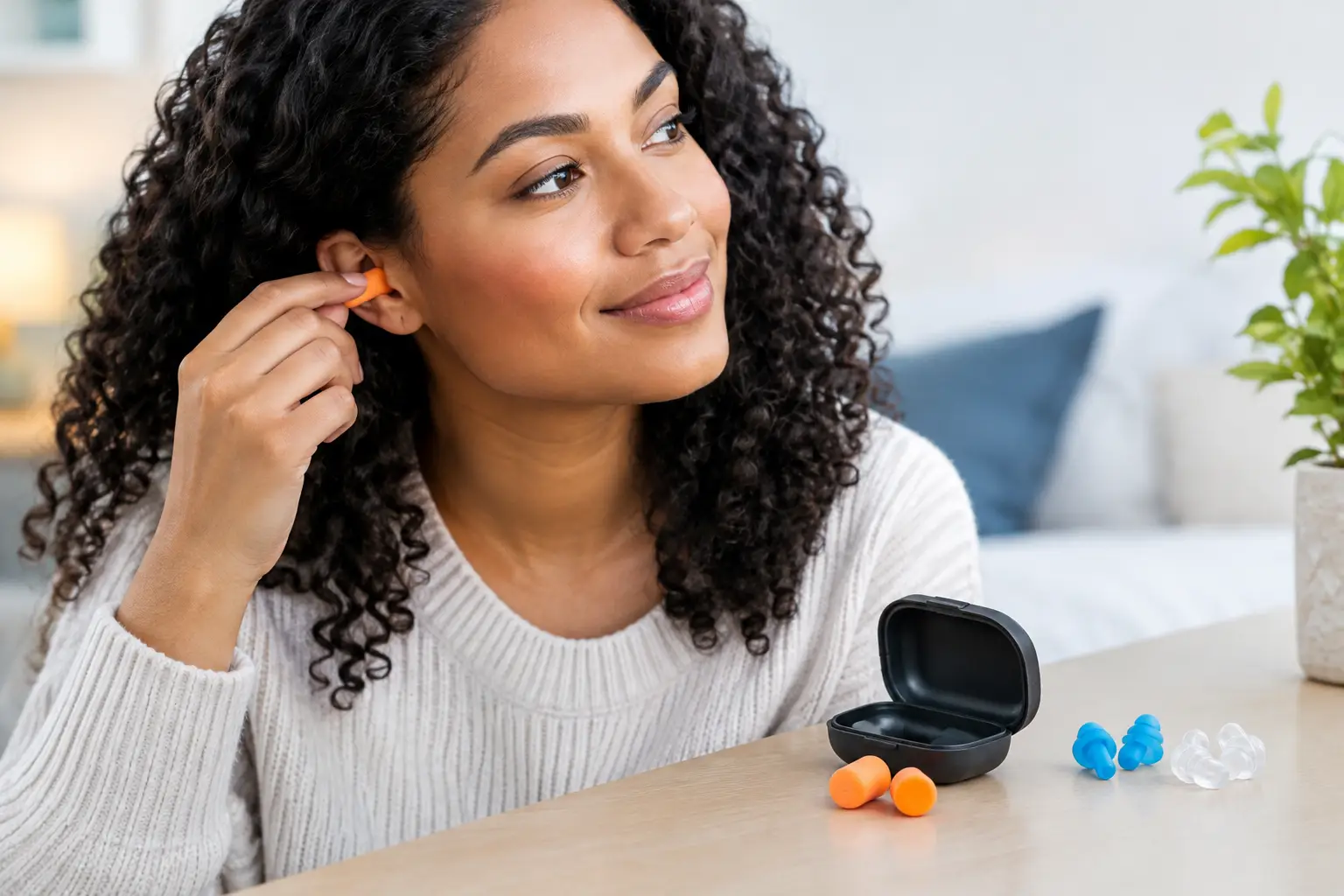
Foam earplugs are widely available and can reduce a significant amount of sound when rolled and inserted correctly. Most are designed for limited use, so they should be replaced when they become dirty, damaged, or unable to expand evenly.
Soft, moldable silicone earplugs generally rest over the ear opening instead of extending deeply into the canal. This can appeal to side sleepers and people who find inserted plugs uncomfortable. They are not always the best option for every high-noise setting, so check that the product is designed for the type of sound exposure you expect.
Reusable flanged earplugs are made from flexible materials and may have multiple soft ridges that create a seal. They can be a practical choice for travel, events, and occasional loud settings when they are cleaned and stored carefully. Filtered earplugs lower sound more evenly than basic plugs, which can make music and conversation sound more natural while reducing overall volume.
Custom-fit earplugs can be worth considering for frequent musicians, shift workers, swimmers, or people who regularly use hearing protection. Their main advantage is consistency: a fit designed for your ear may be easier to wear for longer periods.
How to Fit Earplugs Without Forcing Them
Never force an earplug into your ear. If you feel sharp pain, strong pressure, or resistance, remove it rather than pushing harder. A safe fit should feel secure, not painful.
For foam earplugs, begin with clean, dry hands. Roll the plug into a narrow, smooth cylinder without creasing it. With the opposite hand, gently lift the outer ear up and back to straighten the ear canal. Insert the foam plug only far enough that it can expand comfortably, then hold it in place briefly while it slowly fills out.1
Do not leave a large portion of the plug sticking out, since it may not seal well. At the same time, do not bury it so deeply that removal becomes difficult. If you cannot easily grasp an earplug to remove it, it is too far in.
Moldable silicone plugs should be warmed and softened between clean fingers, then pressed over the ear opening to form a gentle seal. They should not be rolled into a narrow shape and pushed down the canal. Follow the manufacturer’s instructions for reusable and filtered styles, since their designs vary.
When removing any earplug, do it slowly. Foam plugs expand inside the canal, and pulling them out quickly can feel uncomfortable. Gently twist or ease the plug outward to release the seal.
A Practical Guide to Safe Earplugs for Sleep
Sleep earplugs can be helpful when a partner snores, neighbors are noisy, or your schedule requires daytime rest. But sleep changes the decision slightly because you may wear them for several uninterrupted hours.
Choose a low-profile, soft style that does not create painful pressure when your head rests on a pillow. If foam plugs make your ears ache by morning, a smaller foam size or a moldable option may be more comfortable. It may take a little trial and error to find a style that stays in place without rubbing the outer ear.
Keep safety signals in mind. Make sure smoke alarms are working and loud enough to be heard from your sleeping area. Some people rely on a vibrating alarm, visual alert system, or a partner or household member for added awareness. Earplugs should support rest, not make you unreachable in an emergency.
If you wake with repeated tenderness, itchiness, or a clogged feeling after using earplugs, take a break rather than wearing them night after night. The cause may be friction, moisture, residue on the plug, or a fit that is too tight.
Clean Earplugs and Healthy Ears Go Together
Dirty earplugs can transfer sweat, skin oils, lint, and environmental debris to the ear opening. That is why clean hands are the starting point every time. Avoid placing earplugs loose in a pocket, bag, or on a nightstand where they can collect dust.
Disposable foam plugs are not designed to last indefinitely. Replace them when they look soiled, no longer spring back properly, feel stiff, or have been dropped somewhere unclean. Reusable earplugs should be cleaned according to their instructions, dried fully, and stored in a clean case. Putting damp earplugs away in a closed case can create an unpleasant, moist environment.
Avoid sharing earplugs, even with family members. Earplugs are personal care items, much like a toothbrush or hearing aid dome. Sharing is an easy way to spread debris and microorganisms between ears.
Avoid Common Earplug Mistakes
The most common mistake is using earplugs as a substitute for proper hearing protection planning. If you use loud power tools, attend frequent amplified events, or work around sustained noise, choose protection made for that setting and use it consistently. In very loud environments, workplace or equipment guidance may call for more than one layer of protection.
Another mistake is using cotton, tissue, or other household materials in place of purpose-made earplugs. These materials can shed fibers, fit unpredictably, and provide little dependable noise reduction. They may also be difficult to remove once compressed in the ear canal.
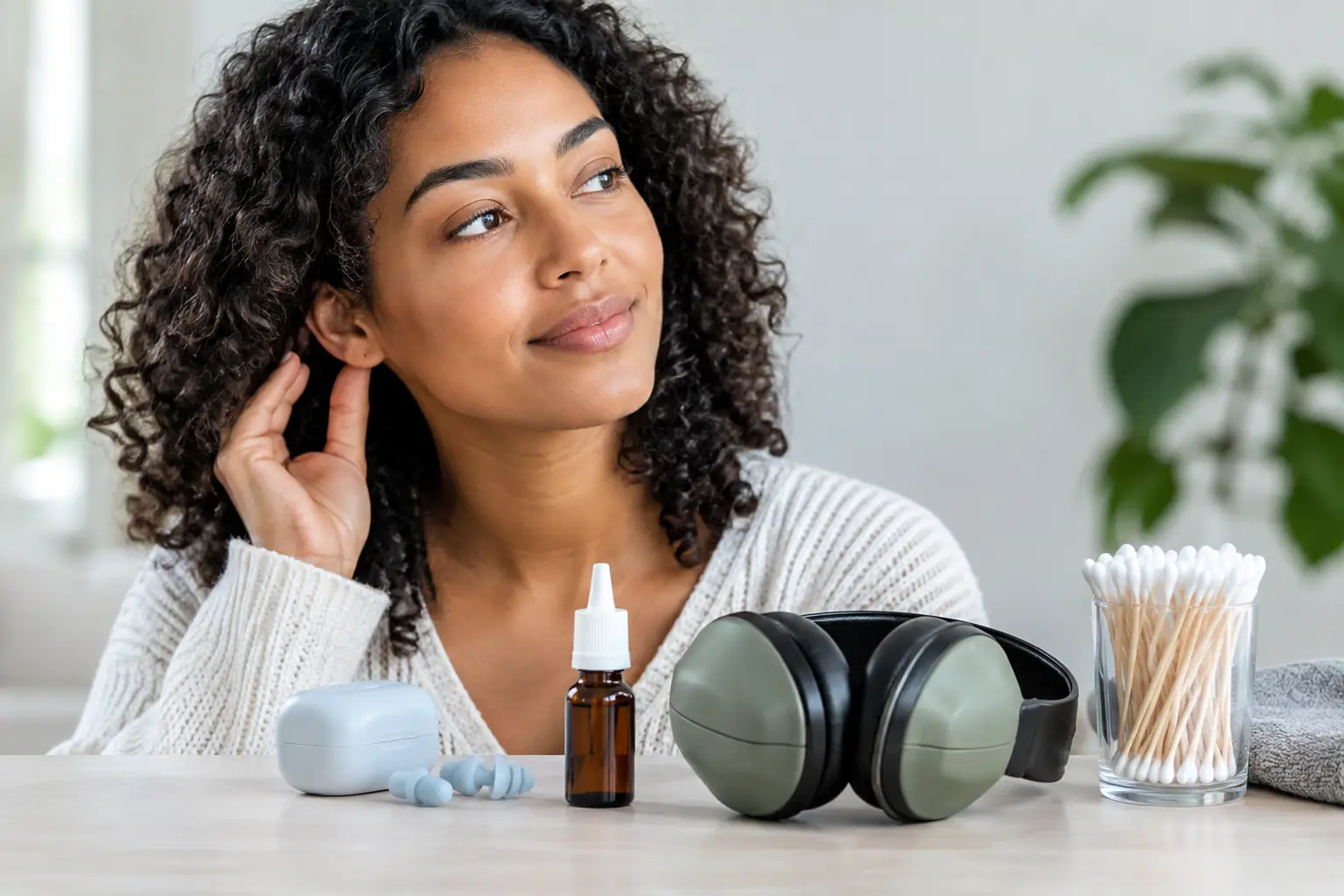
It is also wise to avoid inserting earplugs when your ears are already very dry, raw, or irritated. Repeated friction can make discomfort worse. For people prone to dry-feeling ears, a simple ear-comfort routine may help. ENT-informed ear care commonly favors gentle options such as mineral oil, coconut oil, or olive oil drops for dryness and wax-related comfort, used only as directed and only when appropriate for the individual.
Do not use cotton swabs or other objects to clear the canal before inserting earplugs. Poking at earwax can push it deeper, scrape delicate skin, and make the earplug experience less comfortable.2 The ear canal usually manages wax on its own, and earplugs should not require aggressive cleaning beforehand.
When to Stop Using Earplugs and Get Guidance
Earplugs should not cause ongoing pain or significant discomfort. Pause use and seek guidance from a qualified healthcare professional if you notice persistent ear pain, drainage, bleeding, sudden changes in hearing, pronounced ringing, dizziness, or an earplug that cannot be removed easily. These symptoms deserve individual evaluation rather than more at-home experimentation.
The same applies if earplugs consistently worsen itching, pressure, or tenderness despite trying a clean pair and a different material. A professional can help identify whether fit, skin sensitivity, wax buildup, or another concern is affecting your comfort.
The best earplug is the one you can wear correctly, clean easily, and remove without irritation. Start with a purpose-made style suited to your environment, make fit a priority over marketing claims, and let comfort guide your routine. Quieter moments are valuable, but your ears should feel just as good after the earplugs come out.
Sources
- National Institute on Deafness and Other Communication Disorders (NIDCD). Hearing Protectors. National Institutes of Health.
- National Institute on Deafness and Other Communication Disorders (NIDCD). Why You Shouldn’t Use Cotton Swabs to Clean Your Ears. National Institutes of Health.
About the Author
Written and medically reviewed by Joshua A. Stramiello, MD, board-certified otolaryngologist (ear, nose, and throat physician). Last reviewed November 9, 2026.
Dr. Stramiello earned his Doctor of Medicine at the University of South Florida Morsani College of Medicine, completed his general surgery internship at Vanderbilt University Medical Center, and completed residency in Otolaryngology–Head & Neck Surgery at the University of California, San Diego. He has cared for ENT patients at Dartmouth-Hitchcock, Sanford Hospital, and West Suffolk Hospital in the UK, and his peer-reviewed research spans pediatric otolaryngology, airway surgery, and ear disease (Google Scholar).
The content on SafeEarCare.com is intended for educational purposes only and should not be considered medical advice. It is not a substitute for professional medical advice, diagnosis, or treatment. Always consult your physician or qualified healthcare provider regarding your individual health needs.
Discover more from Safe Ear Care
Subscribe to get the latest posts sent to your email.