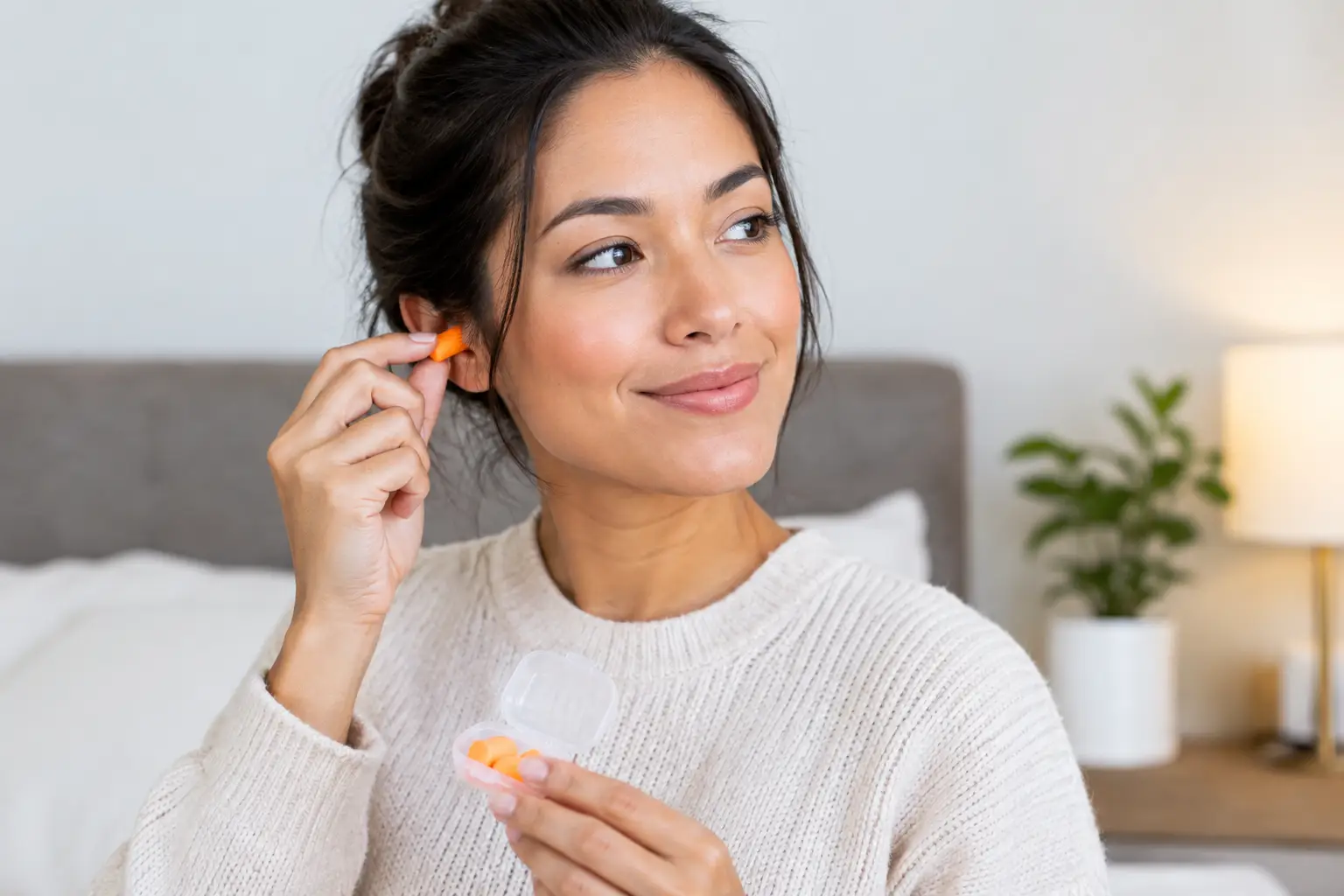

A pair of earplugs can make a noisy apartment, a snoring partner, a busy shift, or a concert feel far more manageable. But are earplugs safe for daily use? For many people, they can be – provided they fit well, are kept clean, and do not leave the ears feeling blocked, sore, itchy, or overly damp.
Earplugs are designed to reduce sound, not to create a completely sealed-off ear forever. Daily use is less about a strict number of hours and more about how your ears respond to the type of plug, your cleaning habits, and whether you are prone to earwax buildup or irritation.
Are Earplugs Safe for Daily Use? It Depends on the Details
The outer ear canal is self-cleaning. Earwax slowly moves outward, carrying away shed skin and small particles. When something sits in the canal regularly, including an earplug, it can sometimes press wax inward, trap moisture, or rub sensitive skin. That does not mean earplugs are inherently harmful. It means the right routine matters.
For a person with comfortable, healthy-feeling ears, properly fitted earplugs may be a practical part of daily life. This is common for people who sleep near noise, work around sound, travel often, or need quiet to concentrate. The goal is to use the least intrusive option that provides enough sound reduction for the situation.
Daily use may be less comfortable for people who already notice dry ears, itching, recurring wax buildup, or sensitivity from earbuds or hearing aids. In those cases, a break from in-ear devices when possible can give the ear canal time to recover.
Choose the Earplug Style That Fits Your Routine
Not every earplug works equally well for every purpose. A soft foam plug may be useful for sleep or loud environments, but it is usually intended for limited use and can collect debris quickly. Reusable silicone or molded plugs may be easier to wipe clean, though they still need regular inspection and careful storage.
For sleeping, comfort is as important as sound reduction. An earplug that feels too large or creates pressure may lead you to push it deeper than necessary. For work or music events, look for hearing protection designed for the level and type of noise you encounter. A plug that muffles everything may not be the best choice if you need to hear speech, alarms, or surroundings clearly.
The best earplug is not necessarily the one with the highest noise-reduction rating. It is the one you can wear correctly and comfortably for the needed period without causing irritation.
A proper fit should not feel forced
Earplugs should sit securely near the entrance of the ear canal, not feel jammed deeply inside it. Foam plugs are typically rolled into a narrow shape, placed gently, and allowed to expand. If a plug causes sharp pressure, pain, persistent fullness, or a noticeable change in hearing after removal, it is a sign that the fit or style may not be right for you.
Avoid modifying earplugs by cutting, reshaping, or combining materials. Small pieces can be difficult to remove, and rough edges can irritate delicate canal skin.
Cleanliness Matters More With Everyday Use
The main daily-use concern is often not the earplug itself. It is what the plug carries into the ear. Hands, pockets, bedside tables, gym bags, and car consoles can all leave dust, oils, and residue on a pair of plugs.
Wash your hands before handling earplugs. Disposable foam plugs should be replaced when they look soiled, lose their shape, or no longer expand evenly. Reusable plugs should be cleaned according to their product instructions, dried thoroughly, and stored in a clean case. Never put a damp earplug into a closed container.
Sharing earplugs is not a good hygiene habit, even between family members. Each person’s ears produce wax and natural skin oils, and a shared plug can transfer debris from one ear to another.
If you use earplugs for sleep, keeping a spare clean pair nearby can help. That simple habit is often better than trying to make a worn-out pair last another week.
Moisture and Earwax Can Change the Experience
Earplugs can hold warmth and moisture in the canal, especially after exercise, showering, swimming, or a humid commute. If your ears feel damp, let them air out before putting plugs in. Wearing earplugs over wet or sweaty skin can increase discomfort and make the ear canal feel stuffy.
Earwax is another common factor. Earplugs may gradually compact wax for some people, particularly when used every night. A blocked feeling, reduced sound clarity, or an earplug that suddenly will not sit as it once did may point to wax changing the fit.
Resist the urge to use cotton swabs, hairpins, or other objects to clear the canal. These tools often push wax deeper and can scratch the skin. For people who experience dry wax or dry, itchy ears, gentle ear-care approaches are usually preferable to harsh drying or bubbling ingredients. Mineral oil, coconut oil, and olive oil ear drops are commonly chosen for simple moisture support, while peroxide- or alcohol-based drops may feel overly drying or irritating for some ears.
Ear comfort is personal. If a product causes burning, increased irritation, or discomfort, stop using it and seek individualized guidance from a qualified ear-care professional.
Give Your Ears a Break When You Can
Daily earplug use does not have to mean all-day earplug use. Take them out when the noise level is safe and you do not need protection or quiet. Brief breaks can reduce the warm, enclosed feeling that sometimes develops with prolonged wear.
This matters especially for people who alternate between earplugs, earbuds, and hearing aids. Wearing one in-ear device after another can leave little time for the skin of the ear canal to dry and recover. If your schedule allows, use over-ear headphones for calls, choose a quieter workspace, or step away from sound for a few minutes rather than automatically reaching for another in-ear option.
For sleep, consider whether the source of noise can be reduced in another way. A fan, white-noise machine placed away from the bed, soft furnishings, or a conversation about household noise may reduce how often you need earplugs in the first place.
Signs Your Earplug Routine Needs a Reset
A little awareness goes a long way. Stop using the same routine and consider professional assessment if you notice ongoing pain, drainage, bleeding, marked swelling, a persistent blocked sensation, sudden hearing changes, or earplugs repeatedly getting stuck. These are not symptoms to solve by inserting something else into the ear.
Less urgent signs are still useful feedback. Itching, dryness, tenderness, more frequent wax buildup, or a new pressure sensation may mean you need a cleaner pair, a different material, a smaller size, or more breaks between uses. Do not assume discomfort is simply the price of sleeping quietly or working in a loud place.
A Safer Daily Earplug Habit
Think of earplugs as personal protective equipment, not as a permanent fixture inside the ear. Use a clean pair, insert them gently, remove them slowly, and allow your ears regular device-free time. Choose a style suited to the setting, rather than wearing the same plug for sleep, swimming, travel, and loud work.
Most people can use earplugs regularly without trouble when they respect those basics. Your ears should feel protected and comfortable afterward – not dry, sore, blocked, or neglected. That comfort is useful information, and listening to it is one of the simplest ways to support long-term ear wellness.
Discover more from Safe Ear Care
Subscribe to get the latest posts sent to your email.