

Written and medically reviewed by Joshua A. Stramiello, MD — board-certified otolaryngologist (ear, nose, and throat physician).
Published July 15, 2026 · Last medically reviewed August 6, 2026 · Sources
Quick answer: Safe ear hygiene means cleaning only the outer ear with a soft washcloth, keeping swabs and objects out of the canal, drying the outside after water exposure, and using gentle oil-based drops when dry wax needs softening. The ear canal is self-cleaning — less intervention is almost always better.
A cotton swab may look like the obvious answer when your ears feel waxy after a shower, workout, or day of wearing earbuds. But one of the most useful safe ear hygiene habits is also the simplest: keep objects out of the ear canal. Ears are designed to move wax outward on their own, and pushing inward can turn a minor annoyance into a stubborn blockage or irritated skin.
Good ear care is not about making the ear canal feel perfectly clean. It is about supporting the ear’s natural protective systems while avoiding habits that can scrape delicate skin, trap moisture, or compact earwax. A calm, consistent routine can make a meaningful difference for people who deal with dry ears, itchiness, hearing-aid sensitivity, or frequent water exposure.
How Safe Ear Hygiene Habits Support Your Ears
Earwax is not dirt. It helps trap debris, supports the skin lining the ear canal, and provides a barrier against excess moisture.3 The amount, texture, and color of wax can vary from person to person. Some people naturally make more wax, while others notice drier wax as they age or after frequent use of earbuds or hearing aids.
The ear canal is also self-cleaning. Movements from talking and chewing help guide older wax toward the outer ear, where it can be wiped away.1 When you insert swabs, bobby pins, fingernails, or other objects, you can interrupt that process. Instead of removing wax, these tools often press it deeper.2
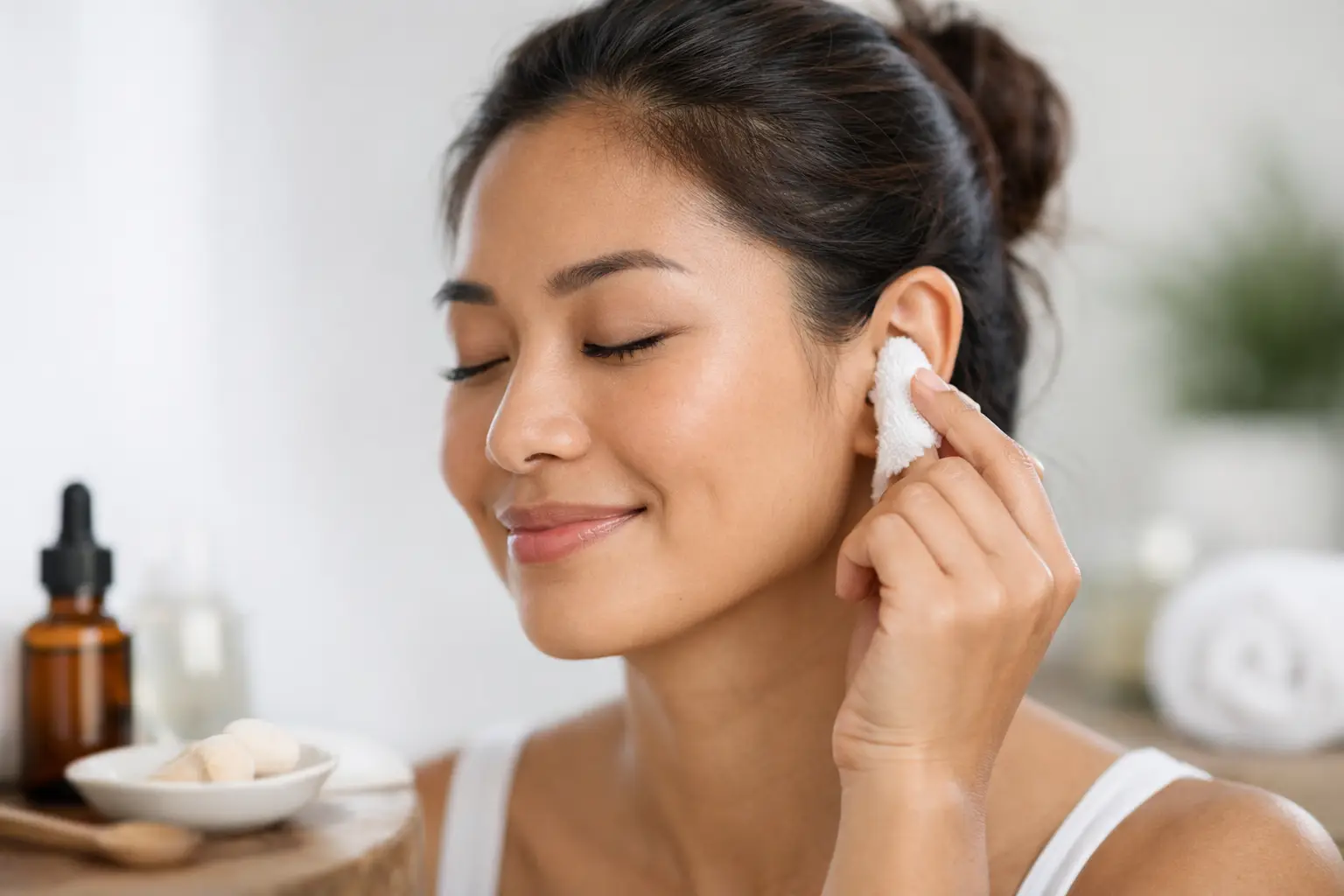
That is why prevention-focused care starts at the outside of the ear. After bathing, gently dry the outer ear with a soft towel. There is no need to reach into the canal. If water is still present after swimming or showering, tilt your head to each side and let gravity help it drain. Avoid forceful digging or aggressive drying.
A Practical Routine for Earwax and Dryness
The right routine depends on what your ears tend to need. Someone with no discomfort and no noticeable buildup may need little more than gentle outer-ear cleaning. Someone prone to dry, flaky, or itchy ear canals may benefit from a more deliberate approach that protects moisture rather than stripping it away.
Keep cleaning gentle and external
Use a clean, soft washcloth or towel on the outer ear only. This removes sweat, skin oils, and visible wax without disrupting the ear canal. Avoid ear candles, which can cause burns and leave residue behind,1 as well as tools marketed for scraping wax from inside the ear.
A sensation of fullness does not automatically mean your ears need deeper cleaning. It can follow water exposure, changes in wax texture, or pressure from headphones. Give the ear a little time before assuming it needs intervention.
Choose simple oil-based moisture support when appropriate
For dry earwax and dry or itchy ears, oil-based ear drops are generally a gentler option than harsh drying or fizzing ingredients. Mineral oil, coconut oil, and olive oil can help soften dry wax and support a more comfortable ear environment.
Safe Ear Care favors straightforward oil-based options such as Auil Mineral Oil Ear Drops, Coconut Auil Coconut Oil Ear Drops, and Olive Auil Olive Oil Ear Drops. The goal is not to over-clean the ear, but to use a simple moisturizing approach when dryness or dry wax is a recurring concern.
Disclosure: Dr. Stramiello is the founder of Oto Anthro (Otolaryngological Anthropology), the company that makes the Auil ear drops shown below, and SafeEarCare.com provides links to Amazon for purchase. That is a material financial relationship, and we disclose it plainly to remain transparent. The clinical guidance here does not change based on what we sell — any plain, purpose-made single oil will do the same job. Full disclosure.


Oil drops are not right for every situation. If you have a history of eardrum problems, ear surgery, tubes, unexplained drainage, or significant ear symptoms, it is sensible to ask a qualified healthcare professional before putting any drops in your ears. A product that is gentle for one person may not be appropriate for another.
Skip ingredients that can be too harsh
Hydrogen peroxide, carbamide peroxide, isopropyl alcohol, and similar ingredients are often associated with ear-cleaning products. They may be marketed as quick solutions, but they can be drying or irritating, especially for people already dealing with dry, sensitive, or itchy ears.
This trade-off matters. A product that feels active or produces bubbling is not necessarily providing better long-term care. For routine comfort, a gentle approach that respects the skin in the ear canal is often the more sustainable choice.
Protect Ears From Water, Sweat, and Friction
Moisture is a common source of ear discomfort, particularly during summer, swimming, exercise, and humid weather. Water does not always cause a problem, but repeated moisture can soften the ear canal skin and make it more vulnerable to irritation.
After swimming or heavy sweating, dry the outside of the ears with a towel and allow time for air circulation. If you use swim gear, choose options that fit comfortably rather than pressing tightly into the canal. A tight seal may be useful in some settings, but it can also increase warmth and friction for sensitive ears.
Avoid repeatedly inserting tissue, swabs, or a towel corner into the ear canal to remove water. That can irritate the skin and leave small fibers behind. Gentle head tilting, outer-ear drying, and patience are safer first steps.
Hair products can also contribute to irritation. Shampoo, conditioner, hair spray, and dye residue may collect around the outer ear or enter the canal during rinsing. Take a moment to rinse around the ears carefully, then dry the outer ear without scrubbing.
Make Earbuds and Hearing Aids More Comfortable
Earbuds and hearing aids create a warm, enclosed environment. They can also introduce friction, pressure, and wax transfer. That does not mean you need to stop using them. It means your ear-care routine should account for how long they are worn and how they feel.
Clean the exterior surfaces of earbuds and hearing aids according to the manufacturer’s instructions. Keep charging cases clean as well, since they can collect debris that transfers back to the device. Allow devices to dry fully after workouts or time outdoors before wearing them again.
Fit matters as much as cleaning. Earbuds that are too large, too tight, or worn for hours without a break can cause soreness. Hearing-aid wearers may notice more wax or dryness because the device changes airflow in the ear canal. Short breaks, a properly fitted device, and gentle oil-based moisture support when appropriate may help maintain comfort.
If your ears feel increasingly irritated after wearing a device, do not try to solve the problem by cleaning more aggressively. Consider whether the fit, wear time, moisture, or product residue is contributing. A hearing care professional can also assess whether a hearing aid adjustment would improve comfort.
Know When Home Hygiene Should Pause
Safe habits include knowing when not to keep experimenting. Ear discomfort is not always caused by simple wax or dryness, and continuing to use drops or insert tools when symptoms are worsening can create more irritation.
Consider professional guidance if you have sudden hearing changes, persistent fullness, notable pain, bleeding, drainage, dizziness, ringing that is new or severe, or symptoms that do not improve. It is also wise to get help if earwax is affecting hearing or if you regularly need someone else to remove buildup.
For children, older adults, and people who use hearing aids, recurring ear concerns deserve extra attention. A clinician can look into the ear safely and help distinguish between wax, skin irritation, device-related friction, and other causes of discomfort. That clarity is more useful than guessing.
Your ears do a great deal of quiet work every day. Treating them with less poking, less stripping, and a little more patience can help keep everyday comfort on track.
Sources
- Schwartz SR, Magit AE, Rosenfeld RM, et al. Clinical Practice Guideline (Update): Earwax (Cerumen Impaction). Otolaryngology–Head and Neck Surgery. 2017;156(1_suppl):S1–S29. American Academy of Otolaryngology–Head and Neck Surgery Foundation.
- National Institute on Deafness and Other Communication Disorders (NIDCD). Why You Shouldn’t Use Cotton Swabs to Clean Your Ears. National Institutes of Health.
- American Academy of Otolaryngology–Head and Neck Surgery. Earwax (Cerumen Impaction). ENThealth.org.
- American Academy of Otolaryngology–Head and Neck Surgery Foundation. Dos and Don’ts of Earwax (patient handout).
About the Author
Written and medically reviewed by Joshua A. Stramiello, MD, board-certified otolaryngologist (ear, nose, and throat physician). Last reviewed August 6, 2026.
Dr. Stramiello earned his Doctor of Medicine at the University of South Florida Morsani College of Medicine, completed his general surgery internship at Vanderbilt University Medical Center, and completed residency in Otolaryngology–Head & Neck Surgery at the University of California, San Diego. He has cared for ENT patients at Dartmouth-Hitchcock, Sanford Hospital, and West Suffolk Hospital in the UK, and his peer-reviewed research spans pediatric otolaryngology, airway surgery, and ear disease (Google Scholar).
The content on SafeEarCare.com is intended for educational purposes only and should not be considered medical advice. It is not a substitute for professional medical advice, diagnosis, or treatment. Always consult your physician or qualified healthcare provider regarding your individual health needs.
Discover more from Safe Ear Care
Subscribe to get the latest posts sent to your email.



Permalink