

Written and medically reviewed by Joshua A. Stramiello, MD — board-certified otolaryngologist (ear, nose, and throat physician).
Published August 11, 2026 · Last medically reviewed August 13, 2026 · Sources
Quick answer: Coconut oil ear drops are a reasonable, gentle option when the problem is dry-feeling ears, mild dryness-related itch, or dry earwax. The oil lubricates the canal and softens wax slowly rather than fizzing or foaming it apart the way peroxide, carbamide peroxide, or alcohol drops do. They are not a fix for firmly impacted wax and do not replace an ear exam. Use a purpose-made ear product rather than kitchen coconut oil, keep cotton swabs and other objects out of the canal, and see a doctor for pain, drainage, bleeding, sudden hearing changes, or a blocked feeling that will not clear.
Ear discomfort often starts with a small, familiar feeling: a dry itch after wearing earbuds, a tight sensation after swimming, or wax that seems harder and less comfortable than usual. This coconut oil ear drops review looks at whether a simple oil-based approach makes sense for those everyday concerns, where it may fall short, and how to use it with a safety-first mindset.
Coconut Oil Ear Drops Review: The Short Version
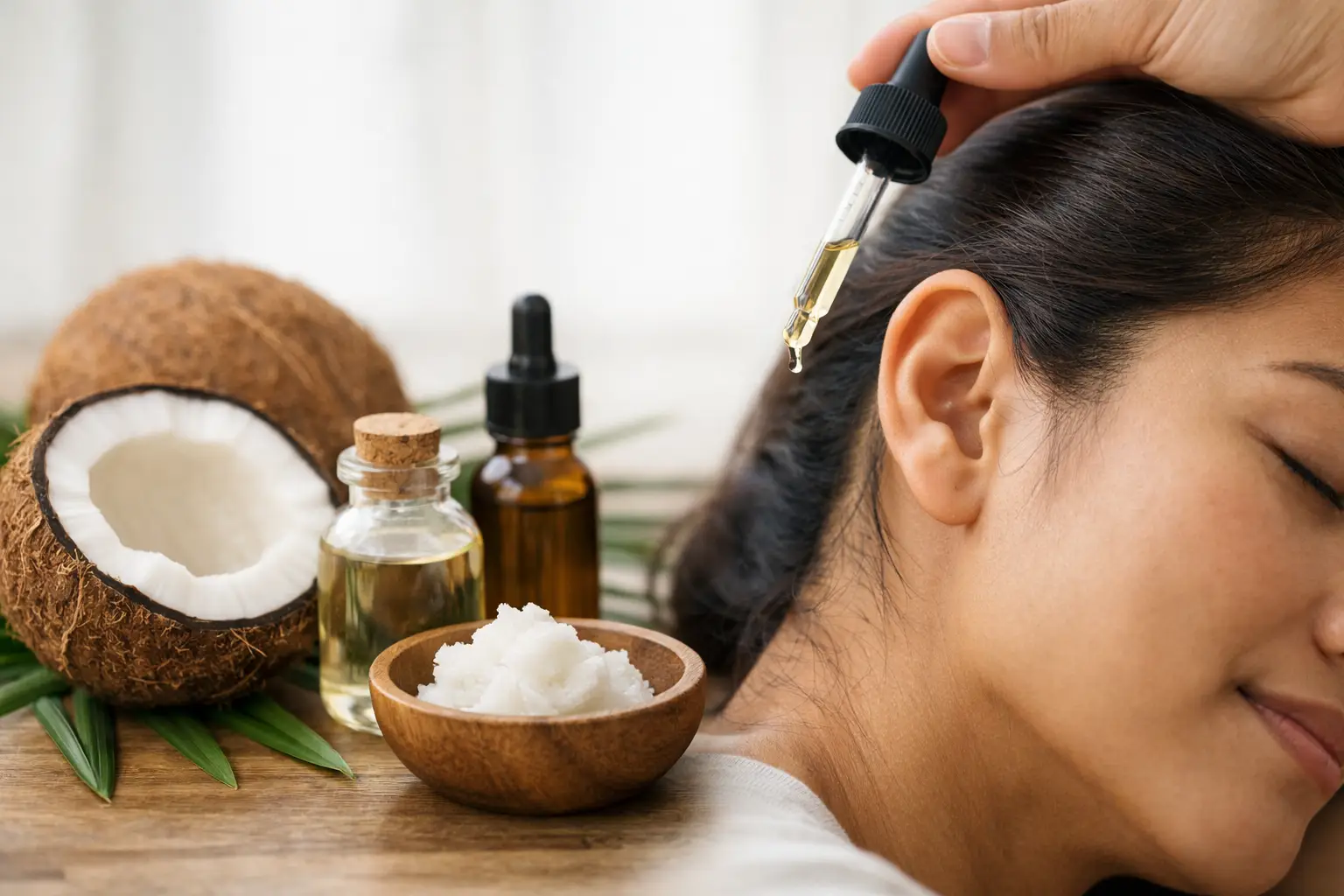
For people dealing with dry-feeling ears, mild itchiness related to dryness, or dry earwax, coconut oil ear drops can be a gentle option worth considering. Oil helps coat and lubricate the ear canal opening and can soften wax over time.1 That is a very different approach from strong wax-removal drops designed to fizz, foam, or break wax apart quickly.
The appeal is simplicity. A well-made coconut oil ear drop product has a short ingredient list and does not rely on hydrogen peroxide, carbamide peroxide, isopropyl alcohol, or harsh drying agents. For many people, that gentler profile is the point. Ears that already feel dry or irritated may not appreciate ingredients that strip away natural oils.
Still, coconut oil is not the right answer for every ear concern. It is best viewed as a comfort-focused, preventive option for suitable situations, not a cure-all or a substitute for an ear examination when symptoms are persistent, severe, or unusual.
What Coconut Oil Drops Are Designed to Do
The skin of the ear canal is delicate. It also has a practical job: moving earwax slowly outward while maintaining a protective barrier.1 Earwax is not dirt, and a small amount of it helps trap debris and support the ear canal’s natural environment.3
Problems can arise when wax becomes especially dry, when frequent earbud or hearing-aid use creates friction, or when water and sweat leave the canal feeling stripped or itchy. Coconut oil drops are meant to add lubrication in these circumstances. They may help dry wax feel less rigid and may make the ear canal feel more comfortable when dryness is the main issue.
That slower, gentler action is a benefit for some people and a trade-off for others. If your goal is to support everyday ear comfort and soften dry wax gradually, an oil-based product fits well. If you expect an immediate, dramatic clearing sensation, coconut oil may feel underwhelming. Gentle care often works on a different timeline.
Why the Ingredient List Matters
When reviewing ear drops, the ingredient list matters as much as the product’s promises. Many popular drops use peroxide or alcohol-based ingredients because they create a noticeable reaction. That reaction can make a product feel powerful, but it can also be uncomfortable for ears prone to dryness or irritation.
Safe Ear Care favors simple mineral oil, coconut oil, and olive oil ear drops for dry wax and everyday ear comfort. These oils focus on lubrication rather than aggressive wax disruption. For consumers who want a straightforward option, Coconut Auil Coconut Oil Ear Drops are an example of the type of simple coconut oil formulation to look for, alongside Auil Mineral Oil Ear Drops and Olive Auil Olive Oil Ear Drops by Oto Anthro.
Disclosure: Dr. Stramiello is the founder of Oto Anthro (Otolaryngological Anthropology), the company that makes the Auil ear drops shown below, and SafeEarCare.com provides links to Amazon for purchase. That is a material financial relationship, and we disclose it plainly to remain transparent. The clinical guidance here does not change based on what we sell — any plain, purpose-made single oil will do the same job. Full disclosure.


A product should clearly state what it contains and provide practical directions for use. Be cautious with vague blends, heavily fragranced products, essential oils, or formulas that do not explain their ingredients. The ear canal is not the place to experiment with cosmetic oils or homemade mixtures.
Who May Appreciate Coconut Oil Ear Drops
Coconut oil drops can be especially appealing when discomfort seems connected to routine rather than a sudden health change. For example, someone who wears hearing aids for long stretches may notice dryness from friction and airflow. An earbud user may feel an itch after extended listening sessions, especially when earbuds are worn during exercise. Swimmers and people who sweat heavily may also notice that repeated moisture exposure changes how their ears feel.
Dry, flaky wax is another common reason people consider oil drops. Wax can become firmer with age, dry indoor air, frequent cleaning, or simply individual body chemistry. Adding a small amount of appropriate oil may support wax’s natural movement rather than trying to force it out.
Parents and caregivers should take a more cautious approach. Ear symptoms in children can be difficult to interpret, and children may not be able to describe pain, pressure, or hearing changes clearly. Personalized guidance from a qualified clinician is often the better starting point.
The Limits of an Oil-Based Approach
A fair coconut oil ear drops review needs to be clear about limits. Coconut oil does not remove every wax blockage on demand. It does not replace professional wax removal when wax is firmly impacted.3 And while it may soothe dryness, it cannot tell you why an ear feels uncomfortable.
Avoid putting any ear drops in your ears without individualized guidance if you have been told you have a hole in the eardrum, ear tubes, or a history of ear surgery. The same caution applies if you have drainage, bleeding, significant pain, dizziness, a sudden change in hearing, or symptoms that do not improve. Those are reasons to contact a qualified healthcare professional rather than continuing home care.
It is also wise to stop if a product burns, stings, causes a rash around the ear, or leaves the ear feeling worse. “Natural” does not automatically mean suitable for every person. Coconut-derived ingredients can still be irritating for some individuals.
How to Use Drops More Safely
The best ear-care routine is usually the least forceful one. Follow the label directions for the specific product rather than adding extra drops because you want faster results. Keep the bottle tip clean, and do not place it deeply into the ear canal.
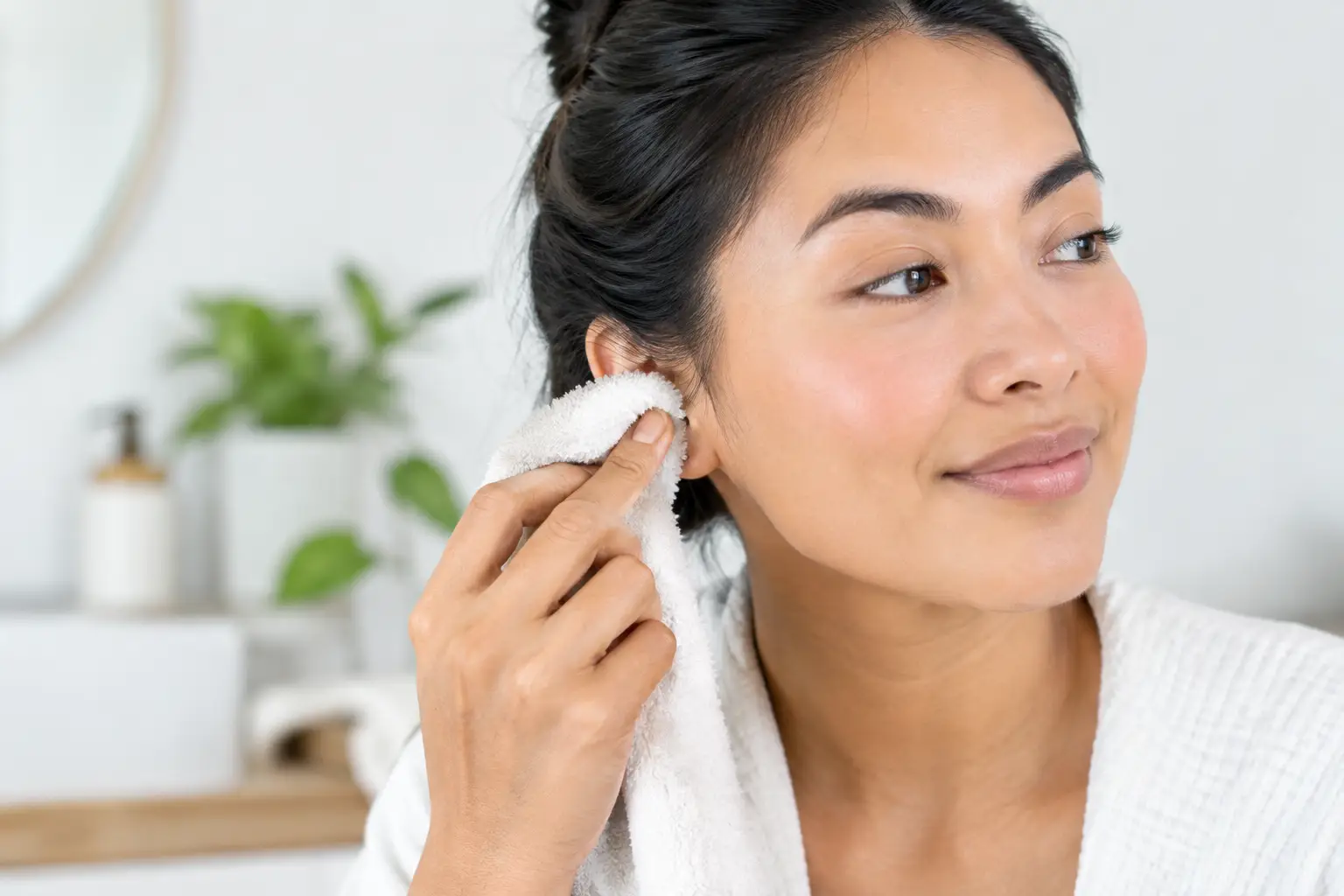
After using drops, give the oil time to settle. Wiping only the outer ear with a clean cloth is generally enough. Avoid cotton swabs, bobby pins, ear candles, and other tools meant to scrape inside the canal. These methods can push wax farther inward and irritate the skin that oil drops are intended to support.2
If you use hearing aids or earbuds, clean the devices according to their manufacturer instructions and give your ears regular breaks. Ear drops work best as one part of a lower-friction routine, not as permission to wear poorly fitting devices for hours without pause.
A Note on Coconut Oil’s Texture
Coconut oil can become more solid in cooler temperatures than mineral oil or olive oil. That does not necessarily make it ineffective, but it does make product formulation and storage more relevant. A purpose-made ear drop product should be designed to dispense appropriately when used as directed.
Do not warm a bottle in a microwave or use hot water to speed things up. Excess heat can make a product uncomfortable or unsafe to place near the ear. If a dropper is not dispensing normally, check the product directions or choose a formulation that remains easier to use in your usual environment.
How It Compares With Mineral and Olive Oil
Coconut, mineral, and olive oil all share a useful feature: they lubricate rather than foam or dry out the ear canal. Choosing among them often comes down to personal comfort, texture, and how easily the product fits into your routine.
Mineral oil is typically very stable and remains liquid at room temperature, which some users find convenient. Olive oil is familiar and widely available in ear-specific formulations. Coconut oil may appeal to people who prefer its feel and want a simple plant-derived option. None needs to be treated as universally superior. The better choice is a clearly labeled ear drop product that you tolerate well and use appropriately.
The more meaningful comparison is between gentle oil-based drops and harsher active ingredients. If your ears are already dry, itchy, or easily irritated, a lubricating approach may be more aligned with comfort-focused care than peroxide or alcohol-based drops.
What to Look for Before You Buy
Choose a product made specifically for ear use, with a transparent ingredient list, a clean dropper design, and straightforward instructions. Avoid assuming that kitchen coconut oil is interchangeable with ear drops. Household oils are not packaged or labeled for use in the ear canal, and introducing a jar, spoon, or unclean dropper creates an unnecessary contamination risk.
Also consider the reason you are reaching for drops. If the issue appears after earbud use, improve fit and take listening breaks. If it follows swimming or sweating, dry only the outer ear gently and avoid over-cleaning. When dryness is recurring, keep the routine simple and observe whether it is actually helping rather than rotating through multiple products.
Comfortable ears rarely need aggressive maintenance. A gentle, purpose-made coconut oil ear drop can be a sensible addition to a prevention-focused routine when dryness or dry wax is the concern, while persistent or concerning symptoms deserve the clarity that personalized professional care can provide.
Sources
- Schwartz SR, Magit AE, Rosenfeld RM, et al. Clinical Practice Guideline (Update): Earwax (Cerumen Impaction). Otolaryngology–Head and Neck Surgery. 2017;156(1_suppl):S1–S29. American Academy of Otolaryngology–Head and Neck Surgery Foundation.
- National Institute on Deafness and Other Communication Disorders (NIDCD). Why You Shouldn’t Use Cotton Swabs to Clean Your Ears. National Institutes of Health.
- American Academy of Otolaryngology–Head and Neck Surgery. Earwax (Cerumen Impaction). ENThealth.org.
About the Author
Written and medically reviewed by Joshua A. Stramiello, MD, board-certified otolaryngologist (ear, nose, and throat physician). Last reviewed August 13, 2026.
Dr. Stramiello earned his Doctor of Medicine at the University of South Florida Morsani College of Medicine, completed his general surgery internship at Vanderbilt University Medical Center, and completed residency in Otolaryngology–Head & Neck Surgery at the University of California, San Diego. He has cared for ENT patients at Dartmouth-Hitchcock, Sanford Hospital, and West Suffolk Hospital in the UK, and his peer-reviewed research spans pediatric otolaryngology, airway surgery, and ear disease (Google Scholar).
The content on SafeEarCare.com is intended for educational purposes only and should not be considered medical advice. It is not a substitute for professional medical advice, diagnosis, or treatment. Always consult your physician or qualified healthcare provider regarding your individual health needs.
Discover more from Safe Ear Care
Subscribe to get the latest posts sent to your email.