

Written and medically reviewed by Joshua A. Stramiello, MD — board-certified otolaryngologist (ear, nose, and throat physician).
Published September 8, 2026 · Last medically reviewed September 10, 2026 · Sources
Quick answer: Itchy ear prevention works best by doing less, not more. Leave the ear canal alone — no cotton swabs, fingernails, or other objects — and clean only the outer ear with a soft washcloth. If dryness keeps coming back, a plain single-oil drop such as mineral, coconut, or olive oil is gentler than peroxide, carbamide peroxide, or alcohol formulas, and drying the outer ear after water plus keeping earbuds and hearing-aid domes clean and dry removes most everyday triggers. See a doctor for pain, drainage, bleeding, sudden hearing changes, or persistent blockage.
The itch that starts after a shower, a workout, or a long day wearing earbuds can be hard to ignore. But itchy ear prevention is usually less about doing more and more about protecting the ear canal from irritation. A few gentle habits can help preserve the skin’s natural balance and reduce the cycle of scratching, dryness, and discomfort.
The ear canal has thin, sensitive skin and a natural protective layer of earwax. Earwax is not dirt. In a healthy amount, it helps trap debris, support the skin barrier, and limit excessive dryness.1 Trouble often begins when that balance is removed, irritated, or repeatedly exposed to moisture and friction.
Why Ears Become Itchy
Itchy ears do not always have one simple cause. For many people, the trigger is dry canal skin, especially after frequent cleaning or exposure to drying products. Others notice itchiness after swimming, sweating, wearing hearing aids, or using earbuds for several hours at a time.
Friction matters, too. Earbuds, hearing-aid domes, earplugs, and even a fingernail can rub the skin inside the ear canal. Once the skin feels irritated, scratching may bring a moment of relief while also making the area more sensitive afterward.
Seasonal dryness can play a role, particularly when indoor heat is running. Skin conditions that affect other areas of the body may also contribute to ear discomfort. This is why prevention works best when it focuses on daily conditions rather than chasing a single cause.
Itchy Ear Prevention Starts With Less Cleaning
One of the most useful ear-care principles is simple: do not put objects into the ear canal. Cotton swabs, fingernails, bobby pins, and other tools can push wax farther in, scrape delicate skin, and disrupt the protective wax layer.2
Cleaning only the outer ear with a soft washcloth is generally enough for everyday hygiene. Let the ear canal manage its own normal wax movement whenever possible. If wax is visible at the entrance of the ear, wipe around the outside gently rather than reaching inward.
Overcleaning can create a frustrating loop. The ear feels dry or itchy, so it gets cleaned more aggressively. That cleaning strips away more protective wax and creates more irritation. Giving the canal a break is often the more skin-friendly choice.
Protect the Ear’s Natural Moisture Balance
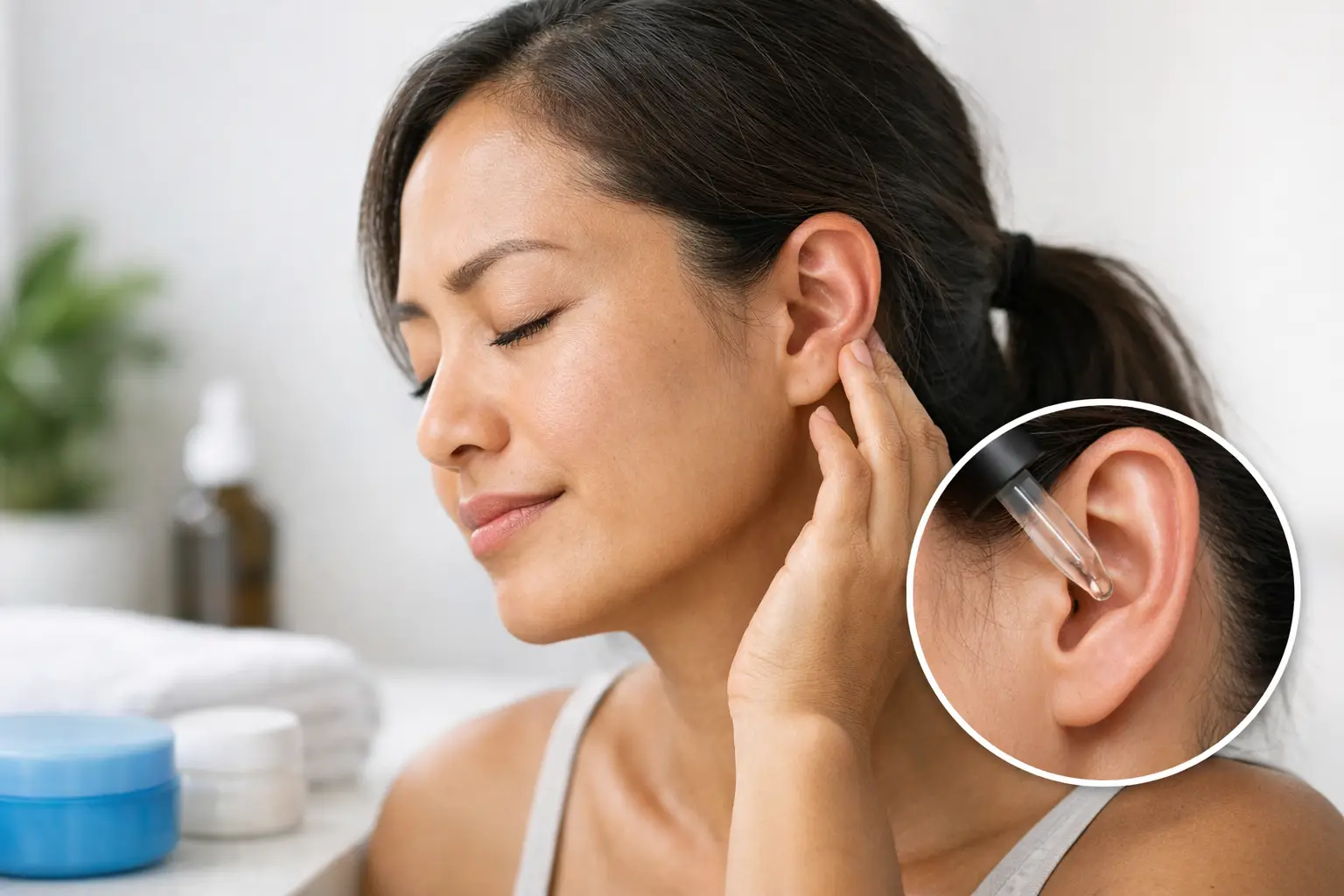
For people prone to dry, flaky, or tight-feeling ears, gentle oil-based ear drops may be a more appropriate approach than harsh drying or bubbling formulas. Mineral oil, coconut oil, and olive oil are commonly used to support dry earwax and dry ear comfort because they are simple, non-drying ingredients.
Safe Ear Care favors mineral oil, coconut oil, and olive oil drops over hydrogen peroxide, carbamide peroxide, isopropyl alcohol, or other drying ingredients. Those stronger ingredients may be uncomfortable for already dry or irritated ear canals and can work against the goal of maintaining the skin barrier.
The right option depends on the individual and the reason for discomfort. A person with occasional dryness may have different needs from someone who wears hearing aids daily or spends several days a week in the pool. When considering a product, look for straightforward ingredients and use it only as directed on the label. Auil Mineral Oil Ear Drops, Coconut Auil Coconut Oil Ear Drops, and Olive Auil Olive Oil Ear Drops are examples of oil-based options made for this purpose.
Disclosure: Dr. Stramiello is the founder of Oto Anthro (Otolaryngological Anthropology), the company that makes the Auil ear drops shown below, and SafeEarCare.com provides links to Amazon for purchase. That is a material financial relationship, and we disclose it plainly to remain transparent. The clinical guidance here does not change based on what we sell — any plain, purpose-made single oil will do the same job. Full disclosure.


Do not put drops in an ear with a known eardrum opening, ear tubes, recent ear surgery, or unexplained drainage unless a qualified clinician has told you it is appropriate. That extra caution is part of safer preventive care.
Manage Water, Sweat, and Humidity
Water exposure does not automatically cause discomfort, but moisture that stays in the ear canal can make already-sensitive skin feel itchy. This is common after swimming, showering, intense exercise, or humid weather.
After water exposure, tilt your head to each side and allow water to drain naturally. Gently dry the outer ear with a clean towel. Avoid inserting a towel corner or cotton swab into the canal, even when it feels like water is trapped.
Swimmers and frequent exercisers may benefit from paying closer attention to how their ears feel after activity. If reusable swim earplugs are part of your routine, keep them clean and fully dry between uses. A damp, unclean earplug can add friction and leave moisture against the skin rather than preventing discomfort.
Make Earbuds and Hearing Aids More Comfortable
Earbuds and hearing aids can support everyday life, but long wear time creates warmth, pressure, and contact with skin oils. That does not mean you have to stop using them. It means a few small maintenance habits become more valuable.
Clean removable tips, domes, and external surfaces regularly according to the device maker’s instructions. Let them dry completely before wearing them again. For earbuds, make sure the tip size fits comfortably. A tip that is too large may rub the ear canal, while one that is too small may shift around and create repeated friction.
Build short breaks into long listening sessions when you can. Taking earbuds out for a few minutes gives the ear canal a chance to air out. Hearing-aid users who notice recurring itchiness may also want to discuss fit, venting, dome material, and moisture management with their hearing-care professional. A small adjustment can make a meaningful difference in day-to-day comfort.
Everyday Habits That Can Make Itchiness Worse
Some common habits feel helpful in the moment but can keep the irritation cycle going. Consider avoiding these four triggers when your ears are feeling dry or sensitive:
- Cotton swabs or other objects placed in the ear canal
- Alcohol-based or peroxide-based ear drops that can be drying
- Scratching inside the ear with a finger or nail
- Wearing damp earbuds, earplugs, or hearing-aid components
Fragrance can also matter. Hair sprays, shampoos, styling products, and skincare products can sometimes reach the outer ear and cause irritation. If itchiness tends to appear after changing a personal-care product, consider whether residue is reaching the ear area. Rinsing around the outer ear thoroughly and keeping products out of the canal are sensible preventive steps.
Know When Everyday Prevention Is Not Enough
Most occasional itchiness is manageable with gentler habits and less canal cleaning. Still, persistent or worsening discomfort deserves professional attention. Seek guidance from a qualified healthcare professional if you notice ongoing pain, drainage, bleeding, marked swelling, a sudden change in hearing, dizziness, or itchiness that does not improve after removing likely irritants.3
This is not about assuming the worst. It is about recognizing that the ear canal is a small, sensitive space where several issues can feel similar. An ear exam can clarify what is going on and help you avoid using products or tools that are not suited to your situation.
A Simple Routine for More Comfortable Ears
A practical routine is often enough: clean only the outside of the ears, dry them gently after water exposure, keep devices clean and dry, and avoid the urge to scratch or swab inside the canal. If dryness is a recurring concern, choose a gentle oil-based approach rather than a harsh drying formula, while following label directions and personal medical guidance.
Comfortable ears are not the result of aggressive cleaning. They are usually the result of a calmer routine that respects the ear’s natural protective systems and gives sensitive skin fewer reasons to become irritated.
Sources
- Schwartz SR, Magit AE, Rosenfeld RM, et al. Clinical Practice Guideline (Update): Earwax (Cerumen Impaction). Otolaryngology–Head and Neck Surgery. 2017;156(1_suppl):S1–S29. American Academy of Otolaryngology–Head and Neck Surgery Foundation.
- National Institute on Deafness and Other Communication Disorders (NIDCD). Why You Shouldn’t Use Cotton Swabs to Clean Your Ears. National Institutes of Health.
- American Academy of Otolaryngology–Head and Neck Surgery. Earwax (Cerumen Impaction). ENThealth.org.
About the Author
Written and medically reviewed by Joshua A. Stramiello, MD, board-certified otolaryngologist (ear, nose, and throat physician). Last reviewed September 10, 2026.
Dr. Stramiello earned his Doctor of Medicine at the University of South Florida Morsani College of Medicine, completed his general surgery internship at Vanderbilt University Medical Center, and completed residency in Otolaryngology–Head & Neck Surgery at the University of California, San Diego. He has cared for ENT patients at Dartmouth-Hitchcock, Sanford Hospital, and West Suffolk Hospital in the UK, and his peer-reviewed research spans pediatric otolaryngology, airway surgery, and ear disease (Google Scholar).
The content on SafeEarCare.com is intended for educational purposes only and should not be considered medical advice. It is not a substitute for professional medical advice, diagnosis, or treatment. Always consult your physician or qualified healthcare provider regarding your individual health needs.
Discover more from Safe Ear Care
Subscribe to get the latest posts sent to your email.