
Written and medically reviewed by Joshua A. Stramiello, MD — board-certified otolaryngologist (ear, nose, and throat physician).
Published September 10, 2026 · Last medically reviewed September 14, 2026 · Sources
Quick answer: The safest alternative to a cotton swab is usually no swab at all — let earwax migrate out on its own, wipe only the outer ear with a soft washcloth, and towel-dry the outside of the ear after water exposure. If dry wax or a dry-feeling canal is the real complaint, a few drops of a plain single oil (mineral, coconut, or olive) are gentler than hydrogen peroxide, carbamide peroxide, or alcohol-based drops. Keep hearing aids and earbuds clean so the ear does not feel like it needs scrubbing, and never put swabs, picks, or ear candles into the canal. See a doctor for pain, drainage, bleeding, sudden hearing change, or persistent blockage.
Cotton swabs can feel like the quickest answer to an itchy, wet, or waxy ear. But the urge to clean inside the ear canal is exactly where trouble often starts. Safe alternatives to cotton swabs work with your ears’ natural self-cleaning process instead of pushing wax deeper, irritating delicate skin, or creating a blockage.
For most people, healthy earwax does not need to be removed on a regular schedule.1 Earwax helps trap dust and debris, supports the skin of the ear canal, and gradually moves outward on its own. The goal of everyday ear care is not a perfectly empty ear canal. It is comfortable, protected ears and good habits that do not interfere with hearing.
Why cotton swabs cause more problems than they solve
A cotton swab may bring out a little wax, but it can also push a larger amount farther into the canal.2 This can compact wax near the eardrum, where it is harder to clear naturally. Swabs may also scratch or dry the thin skin lining the canal, especially when used often or after swimming, sweating, or wearing earbuds.
That cycle is frustrating: an ear feels itchy, so you swab it; the swab causes more irritation or moves wax inward; then the ear feels like it needs more cleaning. Breaking that cycle usually means doing less inside the ear, not more.
The outer ear is different. The visible folds and opening of the ear can be cleaned gently as part of a normal shower or face-washing routine. The key distinction is simple: clean what you can see, and leave the canal alone.
7 safe alternatives to cotton swabs
1. Let normal earwax movement do its job
The safest option is often no removal at all. Jaw movement from talking and chewing helps earwax travel slowly toward the outer opening of the ear. Once wax is visible at the entrance, it can be wiped away gently.
This approach may feel unfamiliar if you have always used swabs, but it is the foundation of prevention-focused ear care. A small amount of wax is normal and useful. Trying to remove every trace can leave ears feeling dry, itchy, and more easily irritated.
2. Use a soft washcloth on the outer ear only
A damp, soft washcloth is a practical replacement for swabs during bathing. Gently clean the outer ear, including the folds around the opening, then pat it dry with a clean towel. Do not twist the corner of the washcloth into the canal.
This is especially useful for people who notice residue from sunscreen, hair products, sweat, or everyday wax near the outer ear. It keeps care simple while avoiding the digging motion that makes swabs risky.
3. Consider gentle oil drops for dry wax and dryness
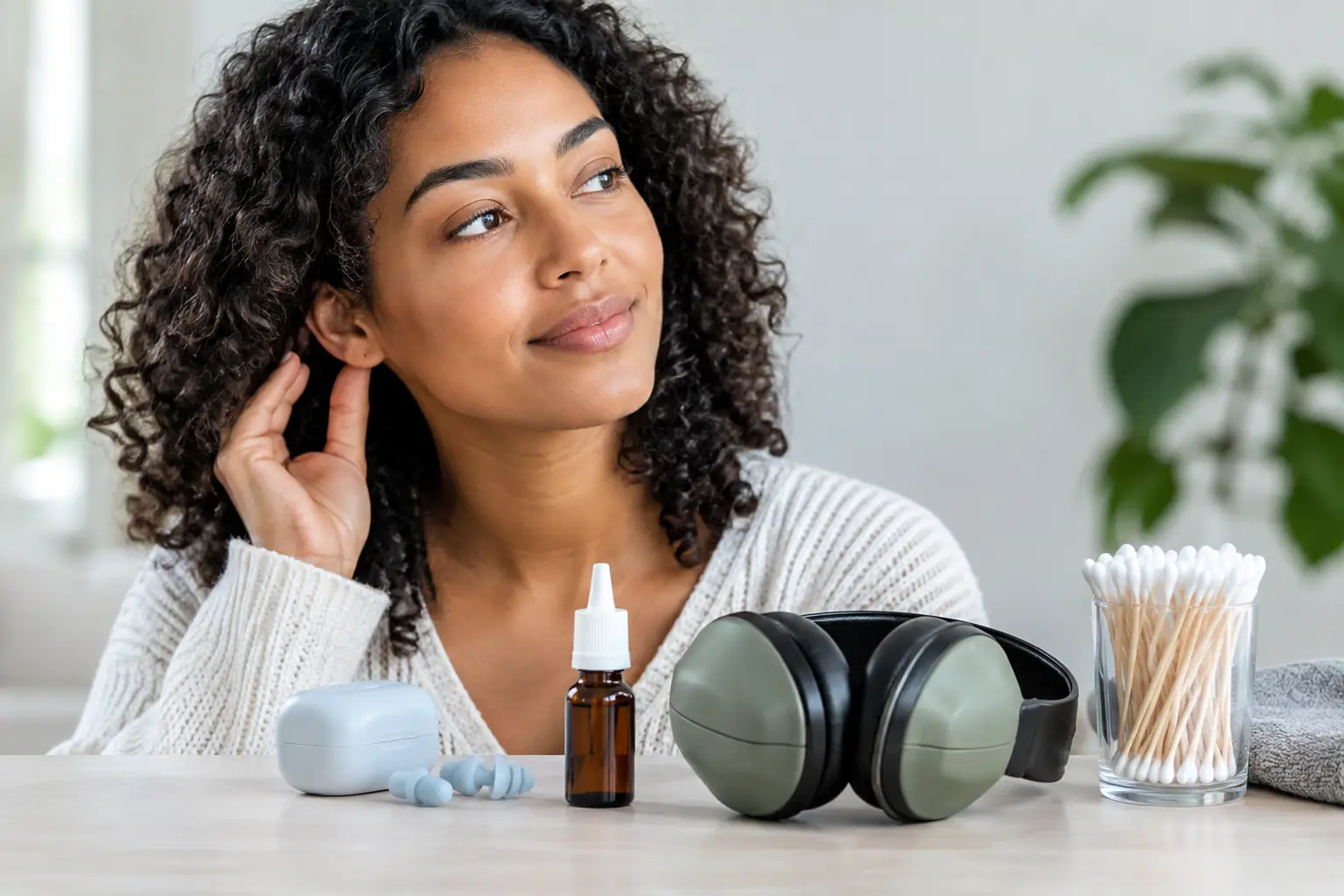
For some adults, a few drops of a simple ear-safe oil may help support dry earwax and everyday ear comfort. Mineral oil, coconut oil, and olive oil are gentle options often used for dry wax, dry-feeling ears, and mild irritation associated with water exposure, sweat, earbuds, or hearing-aid use.
The purpose is not to flush the ear or force wax out. It is to add light moisture and help dry wax remain softer, so the ear can continue its natural clearing process. Safe Ear Care favors straightforward oil-based drops rather than formulas containing hydrogen peroxide, carbamide peroxide, isopropyl alcohol, or other harsher ingredients that may be drying or irritating for some ears.
Oil drops are not right for every situation. People with a known eardrum opening, ear tubes, a history of ear surgery, or new ear symptoms should get individualized guidance from a qualified clinician before putting drops in the ear. If you choose an oil product, follow its labeled directions rather than using frequent or excessive applications.
Disclosure: Dr. Stramiello is the founder of Oto Anthro (Otolaryngological Anthropology), the company that makes the Auil ear drops shown below, and SafeEarCare.com provides links to Amazon for purchase. That is a material financial relationship, and we disclose it plainly to remain transparent. The clinical guidance here does not change based on what we sell — any plain, purpose-made single oil will do the same job. Full disclosure.


4. Clean hearing aids and earbuds, not your ear canal
Sometimes the sensation of an unclean ear is really residue on the device that goes into or near it. Hearing aids can collect wax, skin oils, and moisture. Earbuds can pick up sweat, hair products, and debris from pockets or bags. Putting a clean device into the ear reduces the temptation to scrub the canal afterward.
Follow the device maker’s cleaning instructions and let accessories dry fully before use. Wipe the exterior with an appropriate soft cloth, and use only the small cleaning tools designed for the device itself. Those tools are for the hearing aid or earbud, never for use inside your ear.
If a hearing aid suddenly seems quieter, avoid trying to fix the issue with a cotton swab in your ear. Wax on the hearing aid filter or receiver may be the cause, and a hearing-care professional can help if routine device cleaning does not restore normal performance.
5. Dry the outside of your ears after water exposure
Swimming, showering, workouts, and humid weather can leave the outer ear feeling damp or itchy. Start with the least invasive response: tilt your head to each side, allow water to drain naturally, and gently dry the outer ear with a towel.
Avoid inserting a swab to chase moisture deeper in the canal. This can rub already-softened skin and leave behind cotton fibers. For frequent swimmers or people who sweat heavily during exercise, keeping ears dry at the opening and using comfortable, well-fitting protective gear when appropriate can be more helpful than aggressive cleaning afterward.
6. Manage the habits that create the urge to swab
The desire to use a swab often has a pattern. Maybe it happens after a long day in earbuds, after a shower, when seasonal dryness starts, or when a hearing aid has been worn for hours. Notice the trigger and choose a lower-risk response.
For example, take short earbud breaks so the ear canal has time to air out. Choose earbuds that fit without pressure, and avoid wearing them longer than necessary. If hearing aids create rubbing or persistent discomfort, have their fit checked rather than trying to clean away the sensation. A fit adjustment, regular device cleaning, or a simple moisture-supporting routine may be more useful than repeated swabbing.
7. Choose professional wax removal when wax is truly affecting you
There is a difference between ordinary wax and wax that is causing a real problem. If you have ongoing fullness, a noticeable change in hearing, repeated blockage, pain, drainage, dizziness, or symptoms that do not settle, avoid experimenting with swabs, ear candles, or improvised tools. A qualified healthcare professional can look in the ear and determine the safest next step.
Professional evaluation is also a good choice when you cannot tell whether the issue is wax, dryness, device-related irritation, or something else. It replaces guesswork with a clear view of what is happening, which is safer than repeatedly treating the ear canal at home.
What to skip instead of swapping in another tool
Not every cotton-swab substitute is safer. Hairpins, pen caps, twisted tissues, fingernails, and metal ear picks can scratch the canal or push wax inward just as easily. Ear candles should also be avoided.3 They do not provide a reliable way to remove earwax and can expose the outer ear to heat and wax residue.
Home flushing and strongly bubbling or alcohol-based ear products are not universal solutions either. They may be uncomfortable for dry or sensitive ears, and they are not appropriate for everyone. When an ear feels persistently blocked, the safest answer is usually not more force. It is a gentler routine or an in-person assessment.
A calmer approach to everyday ear care
Good ear care is often pleasantly boring: wipe the outer ear, keep devices clean, let ears dry naturally after water exposure, and avoid putting objects into the canal. If dryness or dry wax is a recurring concern, a simple oil-based approach may fit into that routine when it is appropriate for you.
Your ears do not need to look or feel freshly scrubbed inside to be healthy. Giving them less interference, more comfort, and a little patience is often the most protective habit you can build.
Sources
- Schwartz SR, Magit AE, Rosenfeld RM, et al. Clinical Practice Guideline (Update): Earwax (Cerumen Impaction). Otolaryngology–Head and Neck Surgery. 2017;156(1_suppl):S1–S29. American Academy of Otolaryngology–Head and Neck Surgery Foundation.
- National Institute on Deafness and Other Communication Disorders (NIDCD). Why You Shouldn’t Use Cotton Swabs to Clean Your Ears. National Institutes of Health.
- American Academy of Otolaryngology–Head and Neck Surgery. Earwax (Cerumen Impaction). ENThealth.org.
About the Author
Written and medically reviewed by Joshua A. Stramiello, MD, board-certified otolaryngologist (ear, nose, and throat physician). Last reviewed September 14, 2026.
Dr. Stramiello earned his Doctor of Medicine at the University of South Florida Morsani College of Medicine, completed his general surgery internship at Vanderbilt University Medical Center, and completed residency in Otolaryngology–Head & Neck Surgery at the University of California, San Diego. He has cared for ENT patients at Dartmouth-Hitchcock, Sanford Hospital, and West Suffolk Hospital in the UK, and his peer-reviewed research spans pediatric otolaryngology, airway surgery, and ear disease (Google Scholar).
The content on SafeEarCare.com is intended for educational purposes only and should not be considered medical advice. It is not a substitute for professional medical advice, diagnosis, or treatment. Always consult your physician or qualified healthcare provider regarding your individual health needs.