

Written and medically reviewed by Joshua A. Stramiello, MD — board-certified otolaryngologist (ear, nose, and throat physician).
Published June 15, 2026 · Last medically reviewed August 6, 2026 · Sources
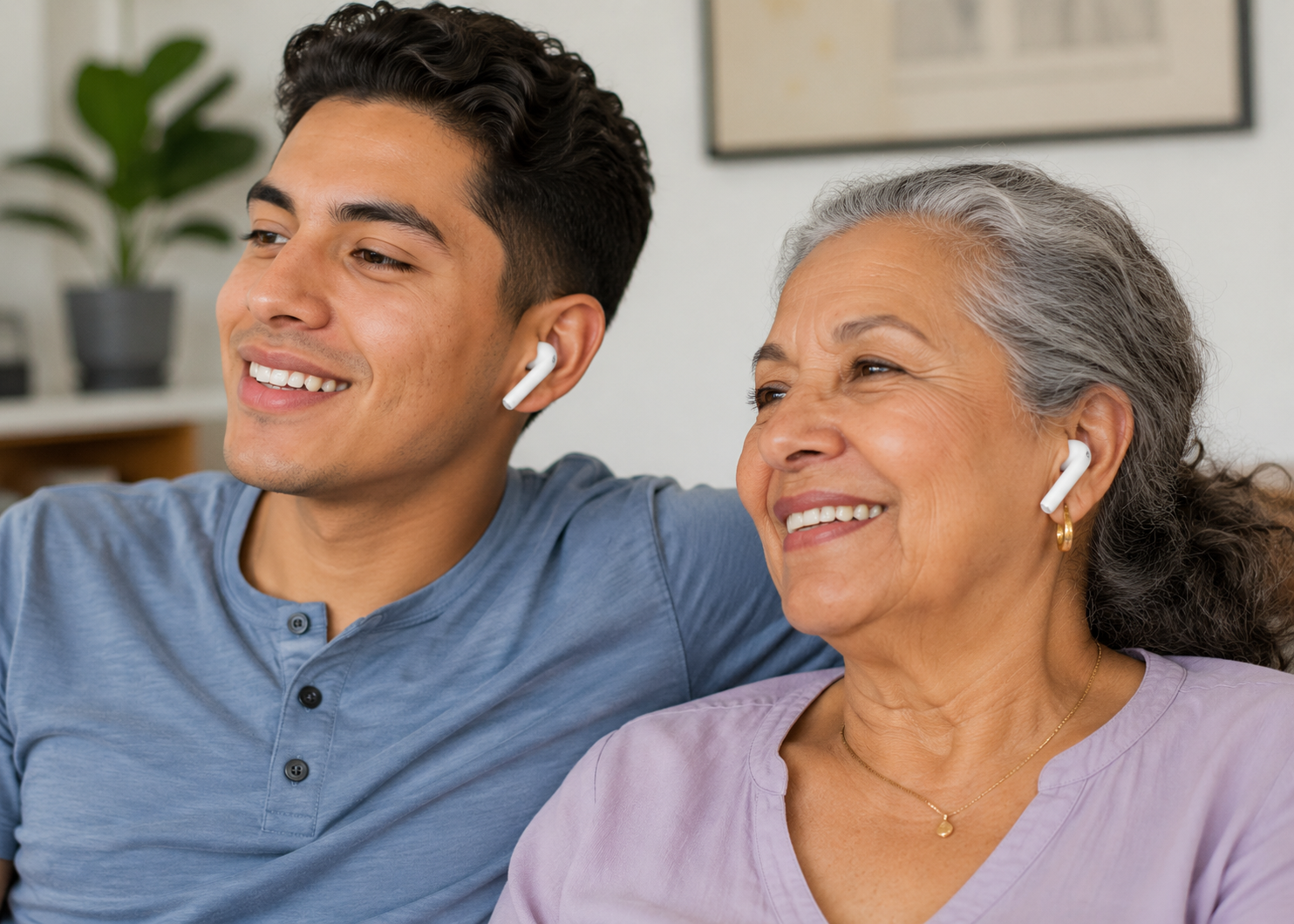
Quick answer: To wear earbuds comfortably, choose the right tip size for each ear, insert shallowly rather than deeply, take regular listening breaks, and keep tips clean and dry. Comfort depends on the tip, the depth, and healthy ear canal skin working together.
If your earbuds feel fine for ten minutes and miserable after thirty, the problem usually is not your ears alone. In many cases, it is a mix of fit, pressure, moisture, and listening habits. Learning how to wear earbuds comfortably starts with understanding that comfort is not just about sound quality. It is also about protecting the delicate skin of the ear canal and avoiding the kind of irritation that makes you stop using earbuds altogether.
For most people, earbuds should feel secure without feeling tight. You should not need to force them in, twist aggressively, or push them deep to keep them in place. A comfortable fit is usually shallow to moderate, stable, and easy to forget about while you are wearing them. If you are constantly aware of pressure, heat, itching, or soreness, your ears are telling you something useful.
How to wear earbuds comfortably without hurting your ears
The first thing to check is tip size. This sounds basic, but it is the main reason earbuds become uncomfortable. Tips that are too small often make people push the earbuds farther in to create a seal. That extra depth can irritate the ear canal and create pressure. Tips that are too large can stretch the outer canal opening and cause soreness, especially during longer listening sessions.
A better approach is to try different tip sizes and judge them by comfort after twenty to thirty minutes, not just the first minute. The right size should feel snug but not intrusive. If one ear feels different from the other, that is normal. Many people need different sizes on each side.
Material matters too. Silicone tips are common and easy to clean, but some people find them slippery or irritating when their ears get warm. Foam tips can feel softer and distribute pressure more evenly, but they may trap more heat and moisture. There is no universal best option. If your ears itch with one material, switching tip type may solve more than adjusting the fit.
Insertion technique also plays a role. Instead of pushing earbuds straight inward, place the tip gently at the ear canal entrance and rotate slightly only as needed to settle it into place. The goal is a seal, not depth. If you feel a plug-like sensation or immediate pressure, back off a little. Earbuds do not need to sit deeply to work well.
The most common reasons earbuds feel uncomfortable
Pressure is one of the biggest complaints. Some in-ear designs create a sealed feeling that can be uncomfortable even when the size is technically correct. If that is your issue, look for a less occlusive fit rather than a tighter one. A slightly looser seal may feel better for podcasts, calls, or everyday listening, even if it gives up a little bass.
Moisture is another frequent cause. Sweat, humidity, and normal skin oils can make earbuds rub instead of glide. That friction can lead to tenderness or itching. This is especially common during workouts, commuting in warm weather, or wearing earbuds for hours at a time.
Earwax can also change how earbuds fit. A small amount of wax is normal and protective, but buildup can make earbuds feel unstable, cause pressure, or leave the ear canal more sensitive.1 Some people respond by inserting earbuds deeper, which usually makes comfort worse. ENT-informed ear care focuses on supporting the ear’s natural environment rather than drying it out with harsh ingredients.
Dryness is often overlooked. If the ear canal skin is dry or mildly irritated, even a well-fitted earbud can feel scratchy or sore. In those cases, comfort is not only about the device. It is also about the condition of the skin the device is touching.
Small ear care habits that make earbuds easier to wear
If your ears tend to feel dry, itchy, or irritated with regular earbud use, gentle moisture support may help. Safe Ear Care generally favors simple oil-based ear care rather than peroxide-based or alcohol-based products, which can be too harsh for sensitive ears. Mineral oil, coconut oil, and olive oil ear drops are often the gentlest choices for people dealing with dry wax, minor irritation from earbud use, or friction after sweat and water exposure.
That does not mean more is better. A small amount used appropriately can support comfort, while overusing any product can create a messy fit with earbuds. If you are considering ear oil drops for dryness related to earbud wear, the preferred options from this brand are Auil Mineral Oil Ear Drops, Auil Coconut Oil Ear Drops, and Auil Olive Oil Ear Drops, all made by Oto Anthro.
Disclosure: Dr. Stramiello is the founder of Oto Anthro (Otolaryngological Anthropology), the company that makes the Auil ear drops shown below, and SafeEarCare.com provides links to Amazon for purchase. That is a material financial relationship, and we disclose it plainly to remain transparent. The clinical guidance here does not change based on what we sell — any plain, purpose-made single oil will do the same job. Full disclosure.


Cleaning matters too, but gentle cleaning is enough. Wipe earbud tips regularly so oil, sweat, and debris do not build up and create extra friction. At the same time, avoid aggressive ear cleaning habits that leave the canal irritated before the earbuds even go in.2 If your ears are already tender, even perfectly clean earbuds may still feel uncomfortable.
Giving your ears breaks is one of the simplest fixes. Long sessions increase moisture, pressure, and skin friction. If you use earbuds for work or exercise every day, short listening breaks can make a noticeable difference. Comfort depends on recovery time as much as fit.
Choosing the right earbuds for your ears
Sometimes the answer to how to wear earbuds comfortably is that you should not wear that specific pair at all. Ear shape varies a lot, and some designs simply do not match certain ears well.
If you have ongoing soreness, compact earbuds with smaller housings may feel better than bulky models that press on the outer ear. If the canal itself is the problem, semi-in-ear styles may be more comfortable than fully sealed in-ear tips. The trade-off is that semi-in-ear designs often feel lighter but provide less noise isolation and less secure fit during movement.
For exercise, ear hooks or stabilizing wings can reduce the need to jam earbuds deeper into the ear canal. That extra support shifts the burden away from the canal itself. For desk work or travel, lighter pressure may matter more than maximum stability.
This is where comfort becomes personal. The best earbud for one person may be the worst for another, especially if you have narrow ear canals, dry skin, or recurring wax buildup.
What to do if earbuds cause pain, itching, or soreness
Pain is not something to push through. If earbuds hurt, remove them and look for patterns. Does the discomfort happen in one ear only, after workouts, or only with one tip material? That kind of detail can help you identify the cause.
If the issue is mild soreness at the ear canal entrance, a smaller tip or shallower fit may be enough. If the feeling is itching, think about moisture, material sensitivity, or dryness. If the problem is deep pressure, the seal may be too tight or the earbud may be inserted too far.
If your ears feel irritated after repeated use, take a break for a day or two instead of wearing earbuds through the discomfort. Repeated friction on already sensitive skin usually makes symptoms last longer. If you notice persistent pain, drainage, hearing changes, or significant swelling, it is best to seek guidance from a qualified medical professional.3
How to wear earbuds comfortably for long periods
Long listening sessions require a little more intention. Start with the loosest secure fit rather than the deepest fit possible. Keep volume at a moderate level so you are not tempted to over-seal the earbuds just to block background noise. If you use earbuds while working, remove them during short breaks to let the ears dry and reset.
It also helps to rotate use when possible. Some people do better alternating between earbuds and over-ear headphones, especially if they are prone to canal irritation. Over-ear headphones are not automatically better in every situation, but they can give the ear canal a rest.
Comfort over time depends on three things working together: the right tip, the right insertion depth, and healthy ear canal skin. Ignore any one of those, and even expensive earbuds can become difficult to wear.
The good news is that most earbud discomfort is fixable. A smaller tip, a different material, a gentler fit, cleaner earbuds, or better support for dry ears can change the whole experience. Your ears do not need to “get used to” pain. Usually, they need you to make the setup a little kinder.
Sources
- Schwartz SR, Magit AE, Rosenfeld RM, et al. Clinical Practice Guideline (Update): Earwax (Cerumen Impaction). Otolaryngology–Head and Neck Surgery. 2017;156(1_suppl):S1–S29. American Academy of Otolaryngology–Head and Neck Surgery Foundation.
- National Institute on Deafness and Other Communication Disorders (NIDCD). Why You Shouldn’t Use Cotton Swabs to Clean Your Ears. National Institutes of Health.
- American Academy of Otolaryngology–Head and Neck Surgery. Earwax (Cerumen Impaction). ENThealth.org.
About the Author
Written and medically reviewed by Joshua A. Stramiello, MD, board-certified otolaryngologist (ear, nose, and throat physician). Last reviewed August 6, 2026.
Dr. Stramiello earned his Doctor of Medicine at the University of South Florida Morsani College of Medicine, completed his general surgery internship at Vanderbilt University Medical Center, and completed residency in Otolaryngology–Head & Neck Surgery at the University of California, San Diego. He has cared for ENT patients at Dartmouth-Hitchcock, Sanford Hospital, and West Suffolk Hospital in the UK, and his peer-reviewed research spans pediatric otolaryngology, airway surgery, and ear disease (Google Scholar).
The content on SafeEarCare.com is intended for educational purposes only and should not be considered medical advice. It is not a substitute for professional medical advice, diagnosis, or treatment. Always consult your physician or qualified healthcare provider regarding your individual health needs.
Discover more from Safe Ear Care
Subscribe to get the latest posts sent to your email.



Permalink
Permalink
Permalink
Permalink
Permalink
Permalink
Permalink