

Written and medically reviewed by Joshua A. Stramiello, MD — board-certified otolaryngologist (ear, nose, and throat physician).
Published September 4, 2026 · Last medically reviewed September 7, 2026 · Sources
Quick answer: Earwax hardens as it loses moisture while sitting in the ear canal, which is a normal part of the ear’s self-cleaning process. It becomes a problem when drier wax with age, dry air, in-ear devices, or cotton swabs slows its outward movement or pushes it deeper. Gentle single-oil drops (mineral, coconut, or olive) can soften dry wax over time; keep swabs and objects out of the canal, and see a doctor for pain, drainage, bleeding, sudden hearing changes, or persistent blockage.
A small, dry piece of earwax can feel surprisingly uncomfortable. It may scratch, make an earbud sit oddly, create a plugged sensation, or seem as if it is stuck near the ear opening. If you are wondering, why does earwax get hard, the short answer is that earwax naturally changes as it dries and moves outward – but everyday habits, age, and the shape of the ear canal can make that process more noticeable.
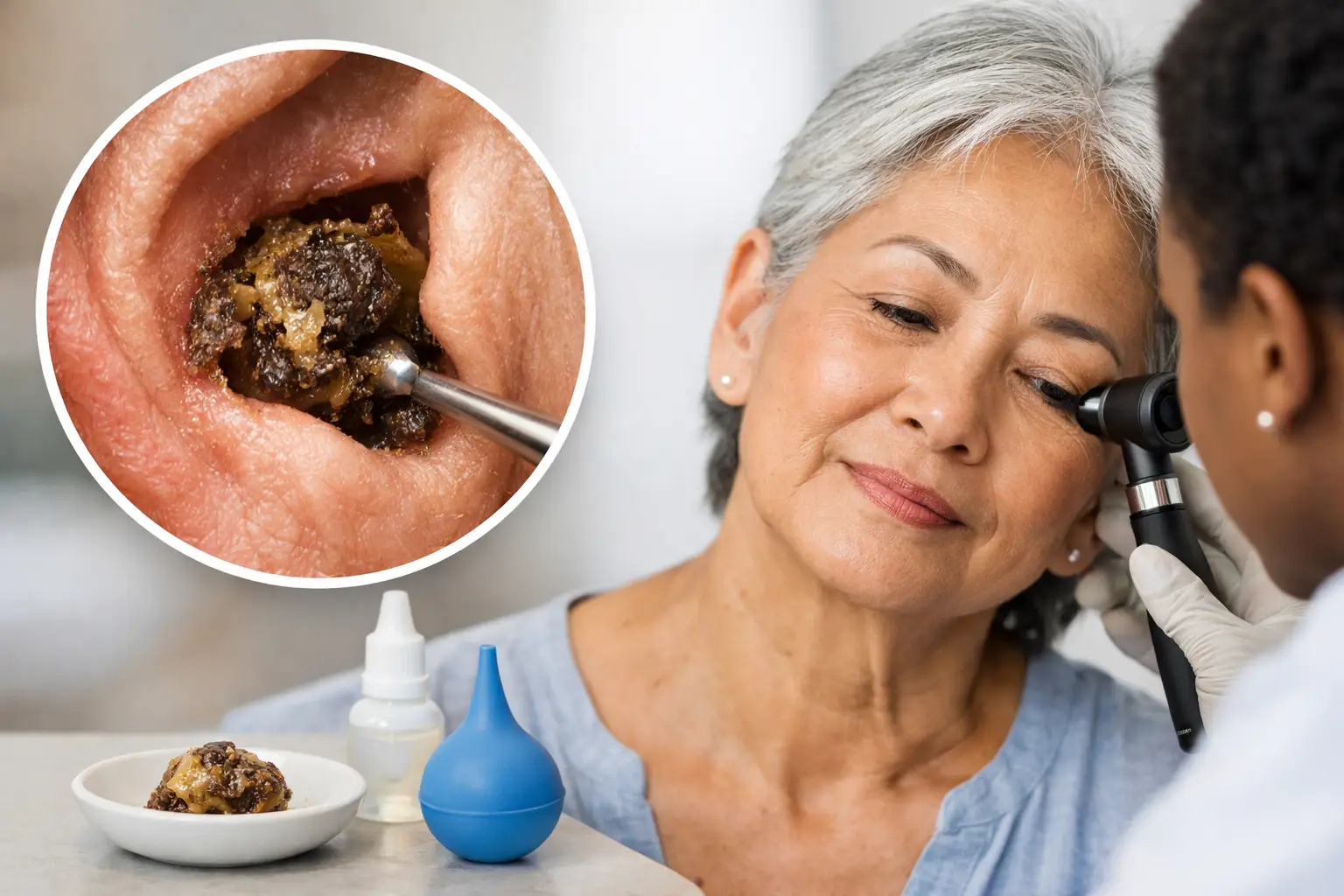
Earwax is not dirt, and it is not a sign that your ears are unclean. It is a protective substance made from skin cells, natural oils, and secretions in the ear canal. In a healthy ear, wax slowly travels toward the outer ear, where it dries, flakes away, or can be gently wiped from the visible opening.1 Hard wax often develops when that normal movement slows down or when the wax loses moisture before it can leave the canal.
Why does earwax get hard in the first place?
Fresh earwax is usually soft, sticky, or slightly oily. As it sits in the ear canal and is exposed to air, its moisture content decreases. That is a normal part of the ear’s self-cleaning process. The issue is not always that wax has become hard, but that dry wax remains in place, combines with newer wax, or gets pushed farther inward.
Some people naturally produce drier wax than others. Earwax texture can also vary with genetics, skin type, and environment. Dry indoor air, frequent exposure to wind, and low humidity can contribute to dry skin around the ear opening and drier wax over time.
Age is another common factor. As people get older, the glands that contribute oil to earwax may become less active. At the same time, earwax can become drier, firmer, and slower to move out of the ear canal. This is one reason hard earwax is especially common among older adults and people who regularly use hearing devices.1
Earbuds, hearing aids, and earplugs can change wax movement
Anything placed in the ear canal can interrupt the natural outward movement of wax. Earbuds, hearing aids, earplugs, and in-ear monitors do not automatically cause a problem, but regular use can create a physical barrier. Wax may collect behind the device instead of gradually working its way out.
These items can also add warmth and reduce airflow around the canal. For some people, that can make earwax feel more compacted or contribute to dry, irritated skin at the canal entrance. A device that fits poorly may make the problem more noticeable by rubbing the skin or pressing wax inward.
This does not mean you need to stop using earbuds or hearing aids. It means consistent cleaning of the device, a comfortable fit, and attention to ear comfort matter. If wax seems to build up repeatedly after starting a new device, it can be worth discussing the fit and cleaning routine with a qualified hearing-care professional.
Cotton swabs often make hard wax worse
Cotton swabs can remove a little wax from the outer ear, but they can also push wax deeper into the narrow part of the canal. Once wax is pressed inward, it may mix with older, drier material and form a firmer plug. The ear may then feel blocked even though there is less visible wax at the opening.2
The same problem can happen with fingers, bobby pins, ear picks, or any object used to scrape inside the ear. These tools can irritate delicate canal skin and interfere with the ear’s normal self-cleaning action. A clean-looking ear canal is not the goal. A comfortable ear that can manage wax naturally is.
Signs that hard wax may be affecting comfort
Hard earwax does not always cause symptoms. Some people notice it only when a dry flake falls out. Others may experience a sensation of fullness, mild itching, reduced clarity of sound, or an earbud that suddenly feels uncomfortable.3
The feeling can change after a shower, workout, or time in humid weather. Wax may absorb a little moisture and expand, making an existing buildup feel more obvious. Sweat and water exposure can also irritate already-dry canal skin, especially if someone tries to dry the ear aggressively afterward.
A hard piece near the ear opening may be easy to see, but deeper wax is not. Trying to inspect or remove it with an object can push it farther in. If symptoms are persistent, worsening, or affecting hearing, an in-person ear examination is the safest way to learn what is actually in the canal.
Safer everyday habits for dry, hard earwax
For many people, prevention begins with leaving the ear canal alone as much as possible. The ears are designed to move wax outward, and frequent cleaning can disrupt that process. After bathing, it is generally enough to gently dry the outer ear with a soft towel.
If your ears tend to feel dry or produce firm wax, simple oil-based ear drops may help support moisture in the outer canal and soften dry wax over time. Mineral oil, coconut oil, and olive oil are commonly used gentle options for dry earwax and dry-feeling ears. Safe Ear Care favors oil-based options rather than peroxide, carbamide peroxide, isopropyl alcohol, or other drying ingredients that may be uncomfortable for already-irritated ears.
Disclosure: Dr. Stramiello is the founder of Oto Anthro (Otolaryngological Anthropology), the company that makes the Auil ear drops shown below, and SafeEarCare.com provides links to Amazon for purchase. That is a material financial relationship, and we disclose it plainly to remain transparent. The clinical guidance here does not change based on what we sell — any plain, purpose-made single oil will do the same job. Full disclosure.


Use any ear drop only as directed on its label. If you have ear tubes, a known eardrum opening, a history of ear surgery, or are unsure whether drops are appropriate for you, check with a qualified clinician first. The right approach depends on what is causing the discomfort, and not every plugged or itchy feeling is caused by wax.
A few habits are especially useful when hard wax is a recurring concern:
- Keep cotton swabs, ear picks, and other objects out of the ear canal.
- Clean earbuds, hearing aids, and earplugs regularly, following the device maker’s instructions.
- Take short breaks from in-ear devices when your ears feel pressured, dry, or irritated.
- Avoid using harsh or alcohol-based liquids in the ear canal, particularly when the skin feels dry.
When hard earwax needs professional attention
Home care has limits. A hard wax blockage may need professional removal when it is deep in the canal, repeatedly returns, or is causing a significant change in hearing or comfort. Professional evaluation is also a sensible next step if you have pain, drainage, bleeding, dizziness, sudden hearing changes, or symptoms that do not improve. Those signs deserve an examination rather than more at-home cleaning.3
Parents and caregivers should be especially cautious with children. A child may not be able to explain whether an ear feels itchy, blocked, painful, or simply unfamiliar. Inserting tools or trying repeated remedies without knowing the cause can create more irritation.
The goal is comfortable, not perfectly wax-free
Hard earwax is often the result of a normal protective material becoming too dry, too compacted, or unable to move outward as easily as it should. Gentle care, fewer objects in the ear canal, and thoughtful use of comfortable devices can make a meaningful difference over time.
Your ears do not need to be scrubbed clean to be healthy. Giving their natural self-cleaning system a little room to work is often the most practical path to everyday ear comfort.
Sources
- Schwartz SR, Magit AE, Rosenfeld RM, et al. Clinical Practice Guideline (Update): Earwax (Cerumen Impaction). Otolaryngology–Head and Neck Surgery. 2017;156(1_suppl):S1–S29. American Academy of Otolaryngology–Head and Neck Surgery Foundation.
- National Institute on Deafness and Other Communication Disorders (NIDCD). Why You Shouldn’t Use Cotton Swabs to Clean Your Ears. National Institutes of Health.
- American Academy of Otolaryngology–Head and Neck Surgery. Earwax (Cerumen Impaction). ENThealth.org.
About the Author
Written and medically reviewed by Joshua A. Stramiello, MD, board-certified otolaryngologist (ear, nose, and throat physician). Last reviewed September 7, 2026.
Dr. Stramiello earned his Doctor of Medicine at the University of South Florida Morsani College of Medicine, completed his general surgery internship at Vanderbilt University Medical Center, and completed residency in Otolaryngology–Head & Neck Surgery at the University of California, San Diego. He has cared for ENT patients at Dartmouth-Hitchcock, Sanford Hospital, and West Suffolk Hospital in the UK, and his peer-reviewed research spans pediatric otolaryngology, airway surgery, and ear disease (Google Scholar).
The content on SafeEarCare.com is intended for educational purposes only and should not be considered medical advice. It is not a substitute for professional medical advice, diagnosis, or treatment. Always consult your physician or qualified healthcare provider regarding your individual health needs.
Discover more from Safe Ear Care
Subscribe to get the latest posts sent to your email.



Permalink