


Written and medically reviewed by Joshua A. Stramiello, MD — board-certified otolaryngologist (ear, nose, and throat physician).
Published September 2, 2026 · Last medically reviewed September 3, 2026 · Sources
Quick answer: Neither design is automatically safer — how loud and how long you listen matters far more than earbuds versus over ear headphones. Earbuds sit closer to the ear canal, so they need more attention to cleaning, moisture, and fit; over ear headphones avoid the canal but can trap heat and press on the outer ear. Pick the style that lets you hear comfortably at a moderate volume, keep it clean, never insert anything into the ear canal, and see a doctor for pain, drainage, or sudden hearing changes.
A long commute, a focused work session, a gym workout – these are the moments when headphones become part of the day. But when comparing earbuds vs over ear headphones, the better choice is not simply about sound quality or style. It is about how each design affects listening volume, ear comfort, moisture, earwax, and your ability to notice when your ears need a break.
Neither option is automatically bad for your ears. A well-fitted pair used at a reasonable volume can be a sensible everyday tool. Problems tend to come from a combination of loud sound, long listening sessions, pressure, sweat, and ignoring ongoing discomfort.
Earbuds vs Over Ear Headphones: The Core Difference
Earbuds sit in or near the ear canal, depending on their design. They are small, portable, and convenient for calls, exercise, and travel. Because many earbuds create a seal at the ear canal entrance, they can block some outside sound and make music easier to hear in noisy places.
Over ear headphones rest around the ear, with cushioned ear cups that enclose the outer ear. They are typically larger and less convenient to carry, but many people find them more comfortable for longer periods because nothing sits inside the ear canal.
From an ear-health perspective, the key difference is contact. Earbuds have closer, more direct contact with the ear canal. Over ear headphones place more pressure on the outer ear and the area around it. That changes the kind of discomfort each can create, but it does not eliminate the need for healthy listening habits.
Hearing Safety Depends More on Volume Than Device Type
The most meaningful hearing-protection habit is managing sound exposure. A very loud over ear headset can be just as hard on hearing as very loud earbuds.1 Likewise, low-volume earbuds may be perfectly reasonable for a short listening session.
The challenge with earbuds is that people often turn them up to overcome traffic, gym music, office chatter, or airplane noise. If you regularly need to raise the volume to compete with your surroundings, the device is no longer doing enough of the work for you.
Noise-canceling or well-isolating headphones can help in these situations. By reducing background noise, they may allow you to listen at a lower, more comfortable setting. This applies to both in-ear earbuds with a secure fit and over ear headphones with effective ear cushions.
A practical check is simple: if someone standing nearby can clearly hear your music, it is probably louder than it needs to be.1 If audio sounds muffled, sharp, or tiring after a while, lower the volume and give your ears quiet time. Comfort is useful feedback, not something to push through.
When Earbuds May Be the Better Choice
Earbuds are often the practical winner for movement. They are light, easy to store, and less likely to feel hot during an errand, walk, or workout. For people who dislike the weight of a headband or the warmth of ear cups, earbuds can feel much less distracting.
A secure-fitting earbud can also improve listening comfort in noisy environments because it reduces the temptation to keep increasing the volume. The goal is not to create an overly tight seal. Instead, choose tips that sit comfortably and stay in place without soreness, itching, or a plugged sensation.
Still, earbuds require more attention to cleanliness and moisture. They collect skin oils, sweat, and earwax residue because they are placed so close to the ear canal. Leaving them in for hours after exercise can trap warmth and dampness around the ear opening, which may leave the skin feeling irritated.
If you use earbuds often, wipe the exterior after use with a clean, dry cloth and let them dry fully before putting them away. Avoid pushing wax farther into the ear with cotton swabs or by inserting earbuds deeper to get a tighter fit.2 If your ears feel dry, itchy, or sensitive after earbud use, shorten wear time and allow the area to rest.
When Over Ear Headphones May Be the Better Choice
Over ear headphones can be a comfortable choice for desk work, gaming, studying, or travel, especially for people whose ear canals become irritated by in-ear designs. Since the speakers sit outside the canal, there is less direct friction against the delicate skin at the ear opening.
They can also provide useful passive noise reduction. A good seal around the outer ear may make it easier to hear clearly at lower volume. For longer listening sessions, many people appreciate the less enclosed feeling inside the ear canal.
The trade-off is heat and pressure. Thick ear pads can hold in sweat, particularly during exercise or warm weather. A tight headband may cause soreness at the top of the head, jaw area, or outer ears. Ear cups that press too firmly can become uncomfortable long before the battery runs out.
Look for adjustable headphones with cushions that rest evenly around, rather than directly on, the ears. Take them off periodically, especially if the skin behind or around your ears feels warm, tender, or damp. Clean ear pads according to the manufacturer’s directions, since they can collect oils, hair products, and sweat over time.
Earwax, Dryness, and Headphone Comfort
Earwax is normal and protective. It helps trap debris and supports the ear canal’s natural skin barrier. Earbuds do not necessarily cause earwax buildup, but frequent in-ear use can make existing wax more noticeable by pressing against it or blocking normal airflow.
A common mistake is reacting to a plugged feeling by reaching for swabs, tools, or harsh ear drops. These approaches can irritate the ear canal or push wax inward.2 ENT-informed ear care generally favors a gentle approach: do not insert objects into the ear canal, and avoid treating normal wax as dirt that must be removed every day.
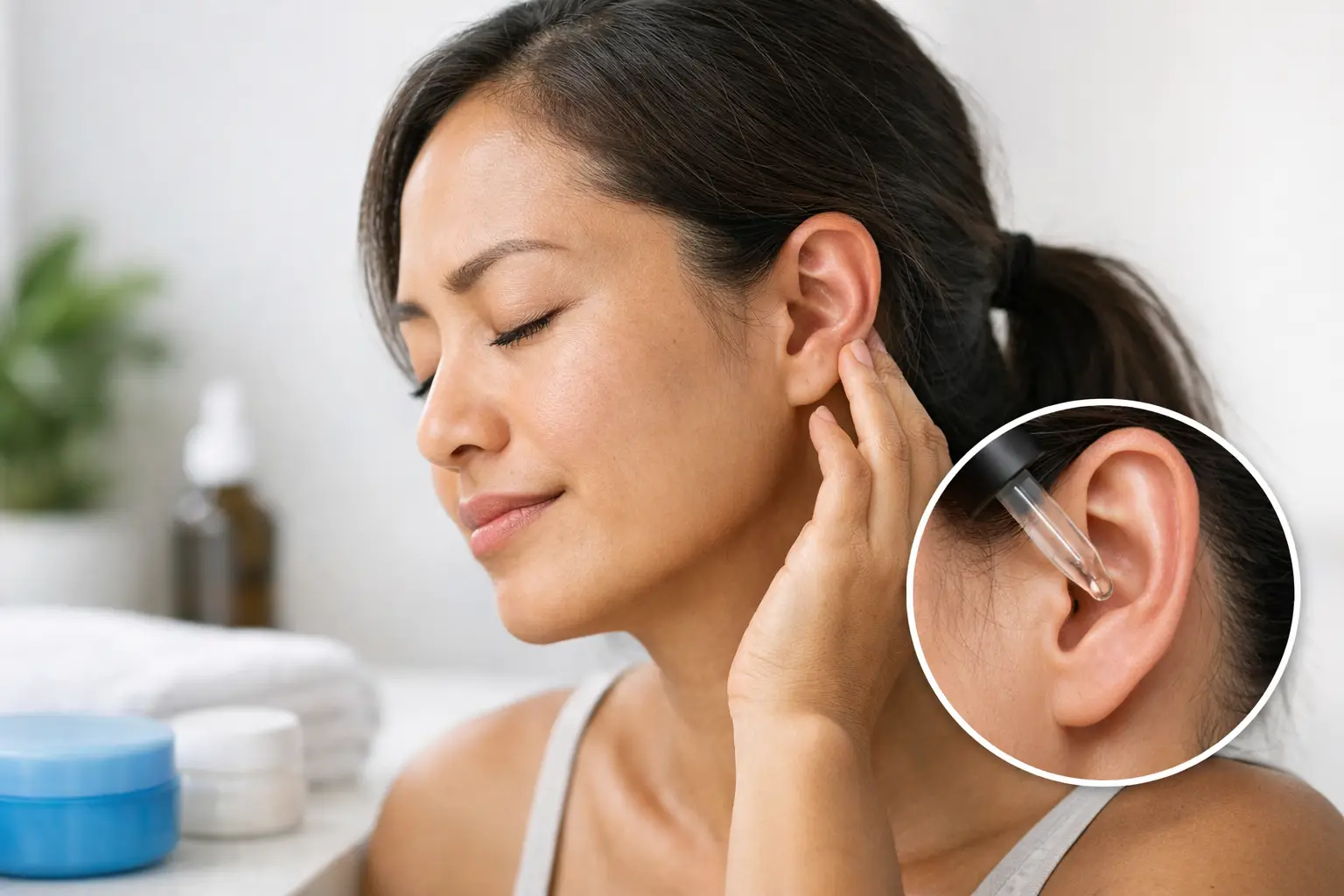
Dry or itchy ears can also make earbuds feel uncomfortable. For some people, mineral oil, coconut oil, or olive oil ear drops may be a gentler option for occasional dryness or dry earwax than peroxide- or alcohol-based products. Use any ear product only as directed, and stop if it causes burning or increased discomfort. Ongoing symptoms, sudden hearing changes, drainage, or significant pain deserve evaluation by a qualified clinician rather than more at-home experimentation.
Over ear headphones may be easier during periods when the ear canal feels sensitive, but they can still irritate outer-ear skin if the pads are dirty, worn, or overly tight. Switching devices for part of the day can be more comfortable than forcing one style to work for every activity.
How to Choose the Right Option for Your Routine
Choose earbuds if portability, exercise, and minimal bulk matter most, provided they fit gently and you are willing to clean them regularly. They may also suit noisy settings when their fit helps you avoid turning up the volume.
Choose over ear headphones if you listen for long stretches, find in-ear pressure uncomfortable, or want less contact with the ear canal. They are often a good home, office, and travel option, although they may feel warmer and less practical during intense activity.
Your best choice may be both. Many people use over ear headphones for longer seated listening and reserve earbuds for walks, calls, and workouts. Rotating between styles can reduce repeated pressure in one area and gives you more opportunities to notice what your ears tolerate best.
Small Habits That Protect Ear Comfort
The device matters, but the routine around it matters more. Keep volume moderate, particularly in noisy surroundings. Build quiet breaks into long listening sessions.1 Clean earbuds, ear tips, and headphone cushions regularly, and never share in-ear devices unless the tips have been properly cleaned.
Pay attention to patterns. If itching follows sweaty workouts, remove earbuds sooner and let your ears dry. If pressure starts after an hour of over ear use, adjust the fit or take a break. If one style consistently leaves your ears sore, that is useful information – not a sign you need to tolerate it.
The most ear-friendly headphones are the ones that let you hear comfortably without needing excessive volume, pressure, or all-day wear. Choose the style that fits your routine, keep it clean, and let comfort guide how long it stays on.
Sources
- National Institute on Deafness and Other Communication Disorders (NIDCD). Noise-Induced Hearing Loss (NIHL). National Institutes of Health.
- National Institute on Deafness and Other Communication Disorders (NIDCD). Why You Shouldn’t Use Cotton Swabs to Clean Your Ears. National Institutes of Health.
About the Author
Written and medically reviewed by Joshua A. Stramiello, MD, board-certified otolaryngologist (ear, nose, and throat physician). Last reviewed September 3, 2026.
Dr. Stramiello earned his Doctor of Medicine at the University of South Florida Morsani College of Medicine, completed his general surgery internship at Vanderbilt University Medical Center, and completed residency in Otolaryngology–Head & Neck Surgery at the University of California, San Diego. He has cared for ENT patients at Dartmouth-Hitchcock, Sanford Hospital, and West Suffolk Hospital in the UK, and his peer-reviewed research spans pediatric otolaryngology, airway surgery, and ear disease (Google Scholar).
The content on SafeEarCare.com is intended for educational purposes only and should not be considered medical advice. It is not a substitute for professional medical advice, diagnosis, or treatment. Always consult your physician or qualified healthcare provider regarding your individual health needs.
Discover more from Safe Ear Care
Subscribe to get the latest posts sent to your email.