


Written and medically reviewed by Joshua A. Stramiello, MD — board-certified otolaryngologist (ear, nose, and throat physician).
Published August 16, 2026 · Last medically reviewed August 16, 2026 · Sources
Quick answer: Children’s ears clean themselves, so safe ear care for kids means wiping only the outer ear with a soft, damp washcloth and leaving the ear canal alone. Never use cotton swabs or any other object inside a child’s ear — they push wax deeper and can scratch the thin canal skin. After baths or swimming, tilt the head to let water drain, then towel-dry the outer ear only. Contact a pediatric clinician for ear pain, drainage, bleeding, sudden hearing changes, or a blockage that will not clear.
A child’s ears usually need less intervention than parents expect. The goal of ear care for kids is not to keep the ear canal perfectly clean. It is to protect the skin, respect the ear’s natural self-cleaning process, and notice when discomfort needs professional attention.
That approach can spare families from a common cycle: a little visible wax leads to cotton swabs, the swabs push wax farther in, and the child ends up with more irritation or blockage than they had at the start. Calm, simple habits are usually the safer choice.
Ear Care for Kids Starts Outside the Ear Canal
Earwax is normal. It helps trap dust and small particles, supports the ear canal’s natural protective environment, and typically works its way outward on its own.1 A small amount of wax at the opening of the ear is not a sign that a child’s ears are dirty.
For everyday cleaning, use a soft, damp washcloth on the outer ear only. Gently clean the folds you can see, then dry the area after bathing or swimming. Nothing needs to go into the ear canal.
Cotton swabs, bobby pins, rolled-up tissues, and fingernails can scratch delicate skin or push wax deeper.2 They can also make a child more likely to associate ear care with discomfort or fear. A useful family rule is simple: if an item is small enough to fit into the ear canal, it does not belong there.
When Wax Is Visible
Wax near the outer opening can often be left alone.3 If it is flaky or sitting at the edge of the ear, wiping only what is already visible after a bath may be enough. Trying to remove wax from deeper inside is where many home-care problems begin.
Some children naturally make more wax than others. This can vary with age, ear canal shape, skin dryness, earbud use, and how often they swim. More wax does not automatically mean a child needs more cleaning. It may mean their ears need less poking and more patience.
Dry or Itchy Ears Need a Gentle Approach
Dryness can make children rub, tug, or complain that their ears feel itchy. Frequent swimming, sweat, dry indoor air, and products that strip away natural oils can all contribute. Harsh ear drops, including products containing hydrogen peroxide, carbamide peroxide, or alcohol, may be especially irritating for already dry ear canals.
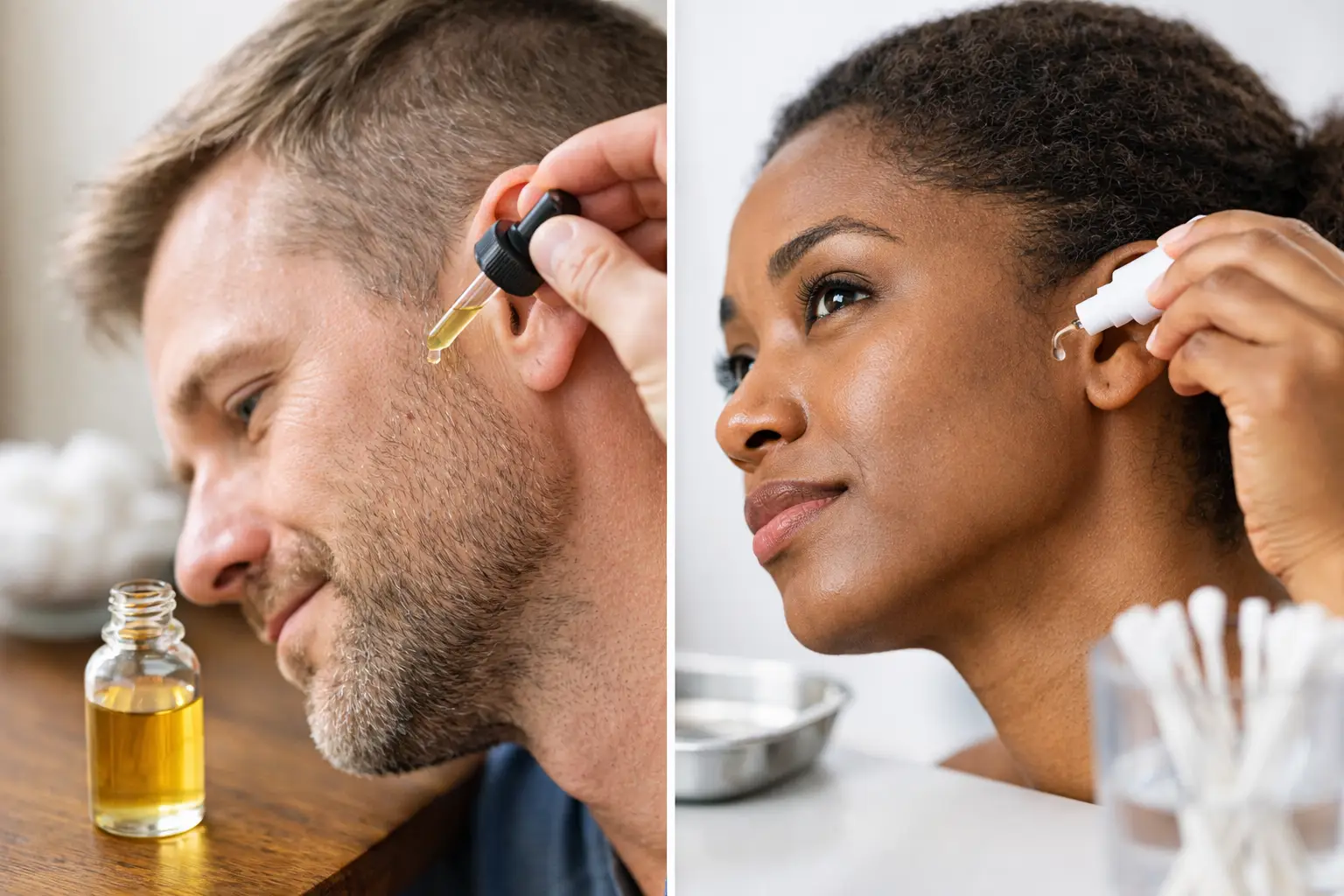
For families considering moisture-supporting ear care, plain oil-based drops are generally a gentler option than drying or bubbling formulas. Mineral oil, coconut oil, and olive oil are commonly used to support dry wax and dry-feeling ears. The right choice and timing depend on the child and their ear history, so parents should check with a pediatric clinician before putting any drops in a child’s ears, particularly if there are ear tubes, a known eardrum opening, prior ear surgery, drainage, or ongoing pain.
Safe Ear Care favors simple oil-based options, such as Auil Mineral Oil Ear Drops, Coconut Auil Coconut Oil Ear Drops, and Olive Auil Olive Oil Ear Drops, over peroxide- or alcohol-based ear-drop formulas. With children, the most cautious routine is always the one that avoids guesswork and follows guidance from their health professional.
Disclosure: Dr. Stramiello is the founder of Oto Anthro (Otolaryngological Anthropology), the company that makes the Auil ear drops shown below, and SafeEarCare.com provides links to Amazon for purchase. That is a material financial relationship, and we disclose it plainly to remain transparent. The clinical guidance here does not change based on what we sell — any plain, purpose-made single oil will do the same job. Full disclosure.


Itching can also come from irritation outside the canal. Shampoo, bubble bath, hair products, sunscreen, and sweat may collect around the ear. Rinsing the outer ear gently and drying it with a soft towel can help reduce that everyday irritation without treating the ear canal itself.
Bath Time and Swimming: Keep It Simple
Most children do not need a complicated water-removal routine after a normal bath. Tipping the head from side to side and drying the outside of each ear with a towel is usually sufficient. Avoid inserting a towel corner or swab into the canal to chase out every drop of water.
Swimming deserves a little more attention because repeated water exposure can leave some children feeling damp, itchy, or uncomfortable. A well-fitting swim cap or swim-specific ear protection may be useful for children who spend long stretches in the pool or frequently complain about water in their ears. Fit matters: a product that presses too hard, slips constantly, or encourages frequent digging at the ears may create more irritation than it prevents.
After swimming, encourage a few low-key habits: tilt the head, let gravity work, dry the outer ear, and take a break from earbuds until the ears feel fully dry. Skip alcohol-based drying drops for children unless a qualified clinician has specifically recommended them. The ear canal’s skin is thin, and drying products are not a one-size-fits-all solution.
Earbuds, Headphones, and Kids’ Ear Comfort
Earbuds can trap warmth and moisture, especially during sports, warm-weather play, or long car rides. They can also rub the ear canal entrance and transfer wax or skin oils when they are not cleaned regularly. Over-ear headphones are often more comfortable for younger children because they do not sit inside the ear canal.
When earbuds are used, choose a comfortable fit rather than forcing a larger tip for a tighter seal. Children should not need to push, twist, or jam an earbud into place. Wipe earbuds according to the manufacturer’s instructions, avoid sharing them, and let ears have regular breaks.
Sound level is part of ear care, too. A child may turn up the volume to overcome background noise, so noisy spaces are a good time to choose over-ear headphones with passive noise reduction rather than relying on louder audio. If a parent can clearly hear audio leaking from the headphones nearby, the volume may be higher than it needs to be.
Help Kids Build Habits They Can Actually Follow
The best routines are easy enough for children to remember. Rather than making ear care a detailed project, teach a few clear boundaries: clean only the outside, do not put objects in the ears, dry gently after water play, and tell an adult when an ear feels painful, blocked, or unusually itchy.
Young children often copy what they see. If adults use cotton swabs in front of them, children may try to do the same. Modeling gentle outer-ear care makes the message more believable than repeating rules alone.
It also helps to give children language for what they feel. “Itchy,” “wet,” “full,” “muffled,” and “hurts” can mean different things, and a child does not need to identify the cause. They only need to know that describing the feeling is better than trying to fix it with a finger or a small object.
When to Pause Home Care and Ask a Professional
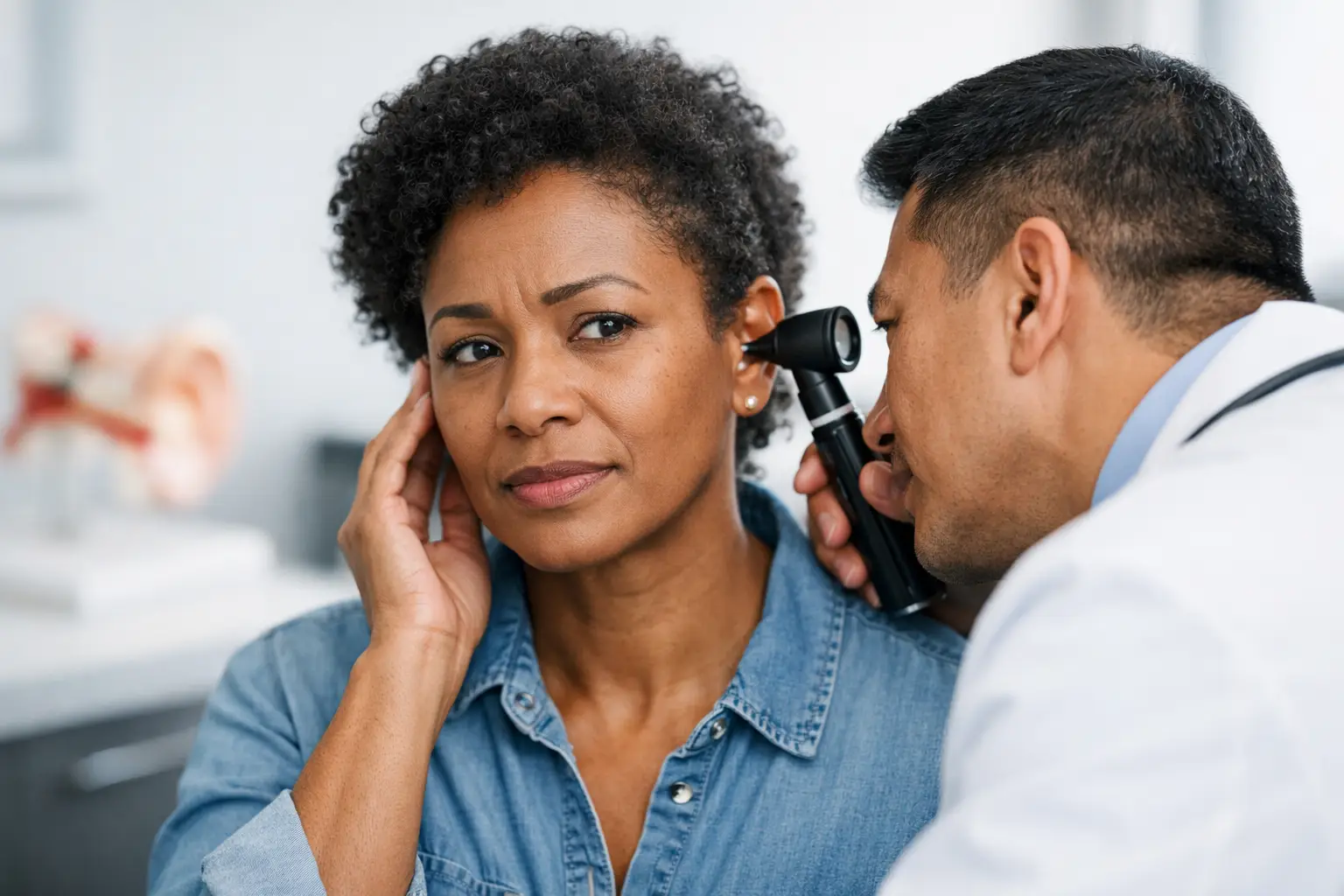
Preventive care has limits. A pediatric clinician, primary care professional, or ear specialist can assess concerns that cannot be safely sorted out at home. Parents should seek professional guidance for ear pain, drainage, bleeding, sudden hearing changes, persistent muffled hearing, dizziness, a feeling that something is stuck in the ear, or symptoms that continue despite gentle care.
The same caution applies if a child has placed an object in their ear. Do not try to remove it with tweezers, swabs, or improvised tools. Attempts to reach it can push it farther in or injure the canal.
For children with ear tubes, a history of eardrum concerns, previous ear procedures, or recurring ear-related symptoms, individualized guidance matters more than general advice. What is appropriate for one child may not be appropriate for another.
A child does not need perfectly wax-free ears to have healthy ears. A washcloth for the outer ear, patience with normal wax, gentle drying after water, and an open conversation about discomfort can create a safer routine that grows with them.
Sources
- Schwartz SR, Magit AE, Rosenfeld RM, et al. Clinical Practice Guideline (Update): Earwax (Cerumen Impaction). Otolaryngology–Head and Neck Surgery. 2017;156(1_suppl):S1–S29. American Academy of Otolaryngology–Head and Neck Surgery Foundation.
- National Institute on Deafness and Other Communication Disorders (NIDCD). Why You Shouldn’t Use Cotton Swabs to Clean Your Ears. National Institutes of Health.
- American Academy of Otolaryngology–Head and Neck Surgery. Earwax (Cerumen Impaction). ENThealth.org.
About the Author
Written and medically reviewed by Joshua A. Stramiello, MD, board-certified otolaryngologist (ear, nose, and throat physician). Last reviewed August 16, 2026.
Dr. Stramiello earned his Doctor of Medicine at the University of South Florida Morsani College of Medicine, completed his general surgery internship at Vanderbilt University Medical Center, and completed residency in Otolaryngology–Head & Neck Surgery at the University of California, San Diego. He has cared for ENT patients at Dartmouth-Hitchcock, Sanford Hospital, and West Suffolk Hospital in the UK, and his peer-reviewed research spans pediatric otolaryngology, airway surgery, and ear disease (Google Scholar).
The content on SafeEarCare.com is intended for educational purposes only and should not be considered medical advice. It is not a substitute for professional medical advice, diagnosis, or treatment. Always consult your physician or qualified healthcare provider regarding your individual health needs.
Discover more from Safe Ear Care
Subscribe to get the latest posts sent to your email.