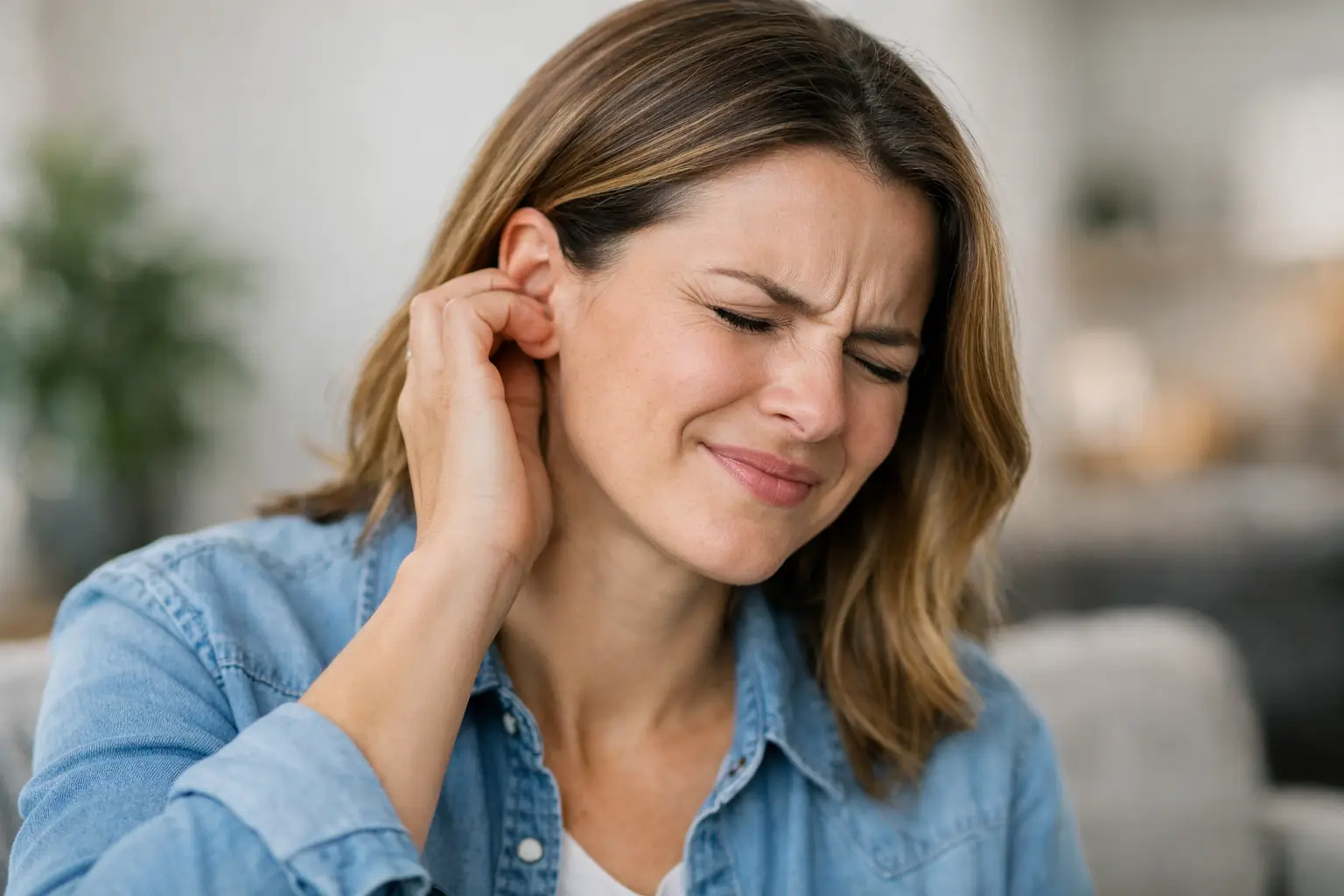


That blocked, underwater feeling can be frustrating, especially when you assume earwax is the problem and then realize it probably is not. If you are wondering what causes clogged ears without wax, the answer is usually related to pressure, irritation, congestion, or changes around the eardrum rather than a true wax blockage.
A clogged sensation is really a symptom, not a diagnosis. The ear can feel full, pressurized, muffled, or slow to “pop” for several different reasons. Some are short-lived and tied to everyday situations like a cold or a flight. Others linger and deserve a closer look, especially if the feeling keeps coming back.
What causes clogged ears without wax most often?
In many cases, the most common reason is a pressure problem involving the eustachian tube. This is the small passage that helps equalize pressure between the middle ear and the back of the nose. When it is not working well, the ear may feel stuffed even though the canal itself is clear.
Congestion from allergies or an upper respiratory bug can make that tube swell or stop opening normally. You may notice muffled hearing, popping, crackling, or a sense that one ear is heavier than the other. This can happen during pollen season, after a cold, or anytime nasal tissues are irritated.
Altitude change is another frequent trigger. Air travel, mountain driving, elevators in tall buildings, and even diving can shift pressure quickly. If your ears do not adjust well, the result can feel exactly like a clog.
Fluid behind the eardrum can also create fullness. People often describe this as hearing through a layer of cotton. The key point is that the issue is deeper in the ear than wax, so cleaning the ear canal does not solve it.
The pressure connection: why your ears feel blocked
The ear is built to handle pressure changes, but not always perfectly. The eustachian tube opens when you swallow, yawn, or chew. That is why gum on a plane sometimes helps. When the tube stays swollen or sluggish, pressure can build and the ear feels blocked.
This is one of those situations where it depends on the cause. If the trigger is mild congestion, the feeling may fade as the nose and throat calm down. If allergies keep the area inflamed for weeks, the clogged sensation may come and go for longer.
Some people are simply more sensitive to pressure shifts. If you often feel ear fullness after flying, swimming to depth, or driving through elevation changes, your ears may just be slower to equalize. That does not automatically mean something serious is wrong, but it does mean forceful habits like aggressive nose blowing can backfire and increase irritation.
Other possible causes of clogged ears without wax
Not every blocked ear feeling comes from pressure alone. Jaw tension can play a role. The temporomandibular joint sits close to the ear, and clenching or grinding can create fullness, ear discomfort, or a strange plugged sensation that is easy to mistake for an ear problem.
Sinus inflammation can do something similar. Even though the sinuses and ears are separate spaces, swelling in nearby structures can affect drainage and pressure balance. That is why ear fullness often shows up during allergy flares.
After water exposure, the ear may also feel temporarily clogged even when wax is not the issue. Sometimes a little trapped moisture or irritation in the ear canal changes the way the ear feels. This is different from a true wax plug. If the skin inside the ear has been dried out by frequent water exposure, sweat, earbud use, or overcleaning, that irritation can make the ear feel off even without a visible blockage.
For people who wear hearing aids or earbuds often, mechanical pressure and trapped humidity can contribute to discomfort and a clogged sensation. The device itself is not always the problem, but long wear time, friction, and reduced airflow can make the ears feel stuffy or irritated.
When the feeling is really irritation, not blockage
This is easy to miss. Sometimes people describe “clogged ears” when the real issue is dryness or mild canal irritation. The ear canal has delicate skin, and when that skin gets too dry, it can feel tight, itchy, sensitive, or vaguely blocked.
Common culprits include cotton swabs, frequent cleaning, alcohol-based drying products, and repeated exposure to sweat or water. Earbuds and hearing aids can add friction, especially if the ears are already dry.
In that situation, harsher ear-drop ingredients are usually not the right direction. Safe Ear Care favors a gentler approach for dry, itchy, or irritated ears, with simple oil-based support such as mineral oil, coconut oil, or olive oil ear drops. Those options fit better with the goal of comfort and skin support. They are not a fix for every cause of ear fullness, but they can be more appropriate when dryness and irritation are part of the picture.
Signs it may not be wax at all
Wax blockage usually has a certain pattern. Hearing may drop more suddenly, one ear may feel physically stopped up, and the issue may follow attempts to clean the ear or push wax deeper. But when the cause is not wax, the clues often look a little different.
You may notice the feeling changes throughout the day, gets worse with altitude, improves briefly after swallowing, or appears during allergy season. Crackling, popping, pressure, and a sense of fullness behind the eardrum are all common when pressure regulation is involved. If the ear canal looks clear but the ear still feels plugged, wax becomes less likely.
That said, home diagnosis has limits. It is easy to assume the cause based on how it feels, and the ear is famous for symptoms that overlap.
What not to do when your ear feels clogged
When your ear feels blocked, the instinct is to fix it fast. That is where people often create new problems.
Cotton swabs can push wax inward, scratch the canal, and worsen irritation. Ear candling is not considered safe. Strong bubbling or drying drops may sound appealing, but if the issue is pressure, dryness, or irritation rather than wax, they may leave the ear feeling worse instead of better.
It is also worth being careful with repeated self-treatment if you are not sure what is going on. A clogged sensation from pressure does not improve just because you keep putting products in the ear canal. If anything, too much experimentation can muddy the picture and irritate healthy skin.
What helps support comfort safely
If the feeling seems tied to recent flying, elevation change, or mild congestion, gentle swallowing, yawning, and time may help the ears equalize naturally. If your ears tend to feel irritated after earbuds, hearing aids, sweat, or water exposure, it can help to reduce friction and give the skin a chance to settle.
For ears that feel dry, itchy, or mildly irritated rather than truly blocked, a small amount of gentle oil-based ear care may support comfort. Mineral oil, coconut oil, and olive oil are often the safest fit for that purpose. The bigger idea is simple: match the approach to the problem instead of assuming every clogged feeling is wax.
When to pay closer attention
A temporary full sensation after a flight or during a cold is common. A clogged ear that lasts, keeps returning, or comes with meaningful hearing changes deserves more attention.
Persistent one-sided fullness, ongoing muffled hearing, dizziness, ringing, pain, or symptoms that follow an illness are all reasons to get the ear checked by a qualified professional. The goal is not to alarm you. It is simply to recognize that ear fullness has many causes, and some can only be sorted out with a proper exam.
That is especially true if you have been treating for wax and nothing is changing. When the problem is really pressure, fluid, jaw tension, or canal irritation, more wax-focused care will not get you where you want to go.
Why the cause matters
The reason this symptom causes so much confusion is that clogged is how many different ear issues feel from the outside. But the next step depends on the cause. Pressure problems need a different mindset than dry canal irritation. Earbud discomfort is different from altitude-related fullness. A sensation after water exposure is not always the same as a plug of wax.
Understanding that difference can help you avoid the most common mistake, which is treating every blocked feeling like earwax buildup. Sometimes wax is the answer. Often, it is not.
If your ears feel clogged and there is no obvious wax involved, think about timing, triggers, and the kind of sensation you are having. Did it start after a cold, a flight, allergy symptoms, frequent earbud wear, or water exposure? Those details often tell a more useful story than the feeling alone. A calmer, safer approach usually starts there.