

Written and medically reviewed by Joshua A. Stramiello, MD — board-certified otolaryngologist (ear, nose, and throat physician).
Published June 10, 2026 · Last medically reviewed August 6, 2026 · Sources
Quick answer: Itchy ears are most often caused by dryness, wax changes, trapped moisture, device friction, or skin conditions like eczema — not dirt. Resist scratching and swabbing; gentle, minimal care calms most itching, and persistent symptoms deserve professional evaluation.
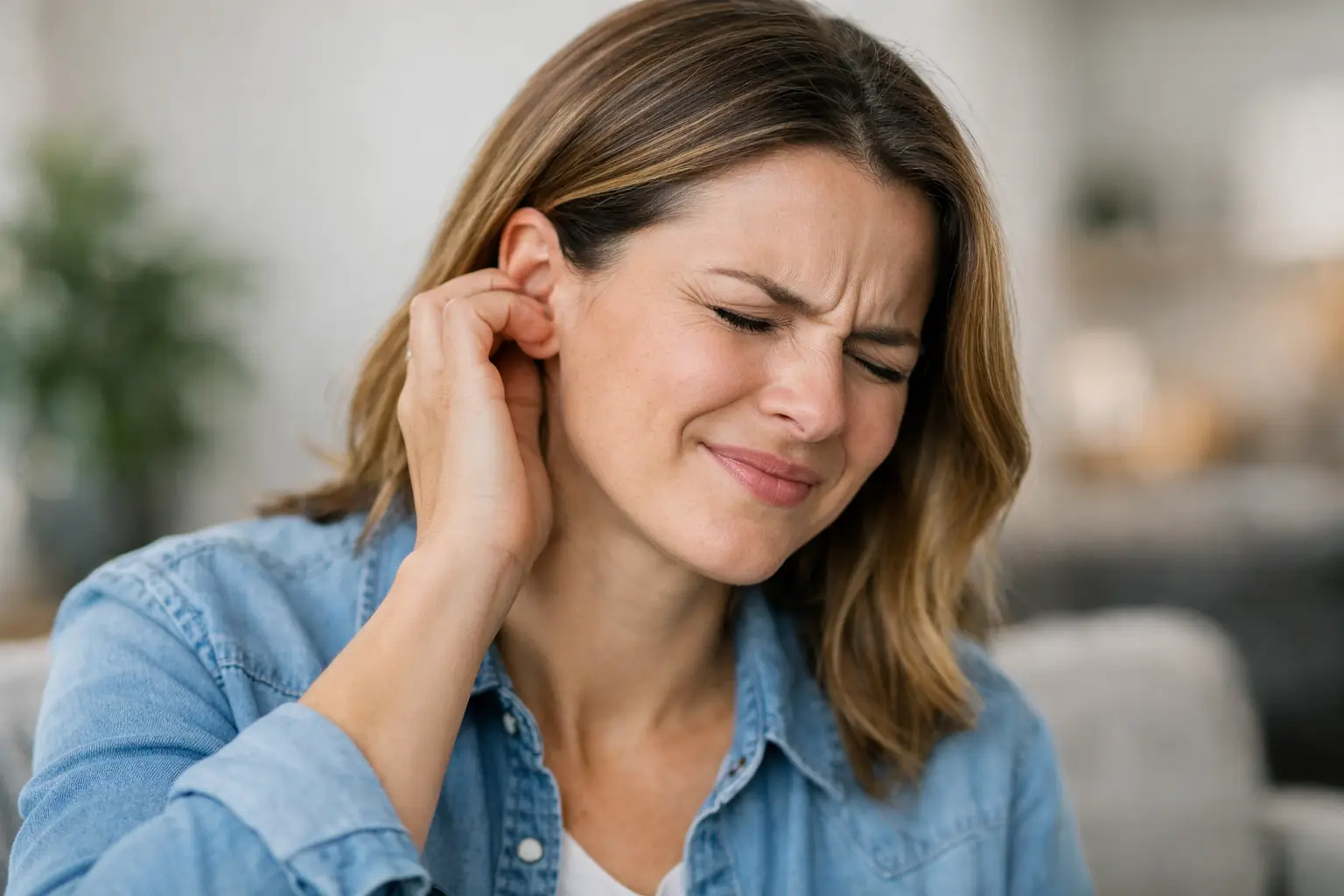
That nagging itch deep in your ear can be surprisingly distracting. If you have found yourself wondering, why are my ears itchy, the answer is usually less dramatic than people fear – but it is still worth paying attention to. Ear itching often comes down to dryness, irritation, wax changes, moisture, or friction from things you use every day.
The tricky part is that itchy ears are not one single problem. The same symptom can show up after a long swim, during allergy season, after frequent earbud use, or when earwax gets too dry. That is why the safest approach starts with understanding what may be irritating the delicate skin inside and around the ear canal.
Why are my ears itchy all of a sudden?
Sometimes the change is obvious. You started wearing earbuds longer, used cotton swabs more often, spent a weekend in the pool, or noticed the weather turned dry. In other cases, the itch seems to appear out of nowhere because ear skin is sensitive and reacts quickly to small shifts in moisture, oils, and friction.
The ear canal is lined with very thin skin. It does not take much to upset that balance. Even habits that feel clean or harmless can strip away the natural protective layer that keeps ears comfortable.
Common causes of itchy ears
Dryness is one of the most common reasons ears itch. Earwax is not just something to remove. In healthy amounts, it helps protect and moisturize the ear canal.1 When ears become too dry, the skin can feel tight, flaky, or itchy. This often happens in dry climates, during winter, after frequent washing, or after overcleaning.
Earwax buildup can also play a role, especially when the wax becomes hard or dry instead of soft and mobile. Some people assume all itching means they need to clean more aggressively, but that can make things worse. Pushing at dry wax or scraping the canal can increase irritation rather than relieve it.
Moisture is another common trigger. Water from swimming, showering, sweating, or humid weather can sit in the ear canal and leave the skin feeling irritated. This is especially common for swimmers, people who exercise in earbuds, and anyone who wears hearing aids for long hours.
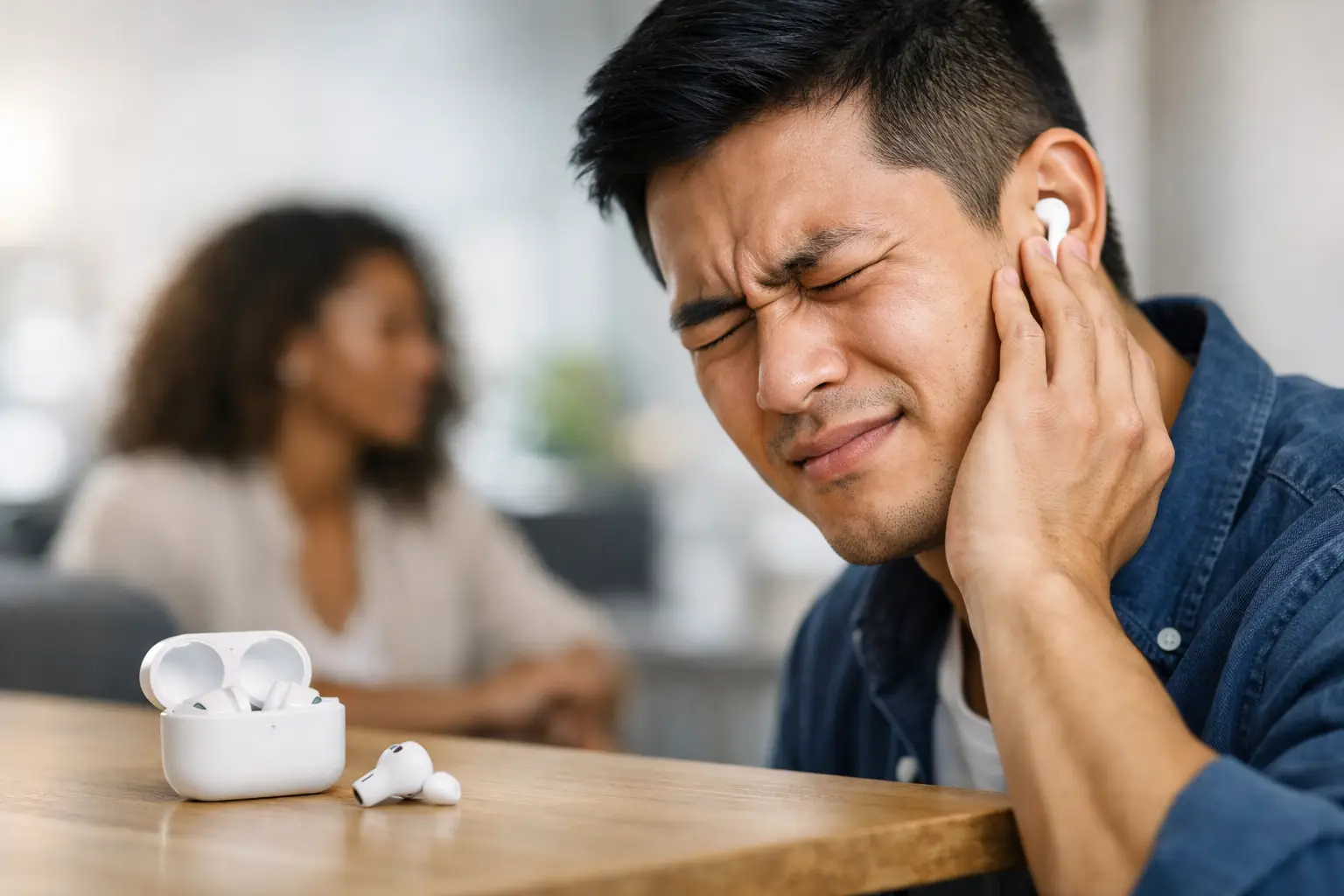
Contact irritation matters too. Earbuds, hearing aids, earplugs, and even certain hair or skin products can irritate the skin around the ear opening or just inside the canal. If itching tends to happen after long wear or after using a new product, friction or sensitivity may be part of the picture.
Allergies and skin conditions can contribute as well. People with eczema, psoriasis, or general skin sensitivity may notice ear itching more often than others. In that case, the ears are not acting alone – they are part of a broader dry-skin or reactive-skin pattern.
The habits that often make itchy ears worse
The biggest one is putting things into the ear canal. Cotton swabs, fingernails, bobby pins, and other objects may give a moment of relief, but they tend to remove protective wax, scratch delicate skin, and sometimes push wax deeper.2 That can turn a mild itch into a cycle of repeated irritation.
Overusing harsh ear drops is another problem. Ingredients like hydrogen peroxide, carbamide peroxide, and isopropyl alcohol are often marketed as ear-cleaning solutions, but for dry or itchy ears they can be too aggressive. They may strip the canal further and leave the skin feeling more irritated.
Frequent cleaning can also backfire. Many people treat the ear canal like skin that needs regular washing, but the ear is usually self-maintaining.3 When you repeatedly interfere with that process, the ear may respond with more dryness and discomfort.
What helps itchy ears safely
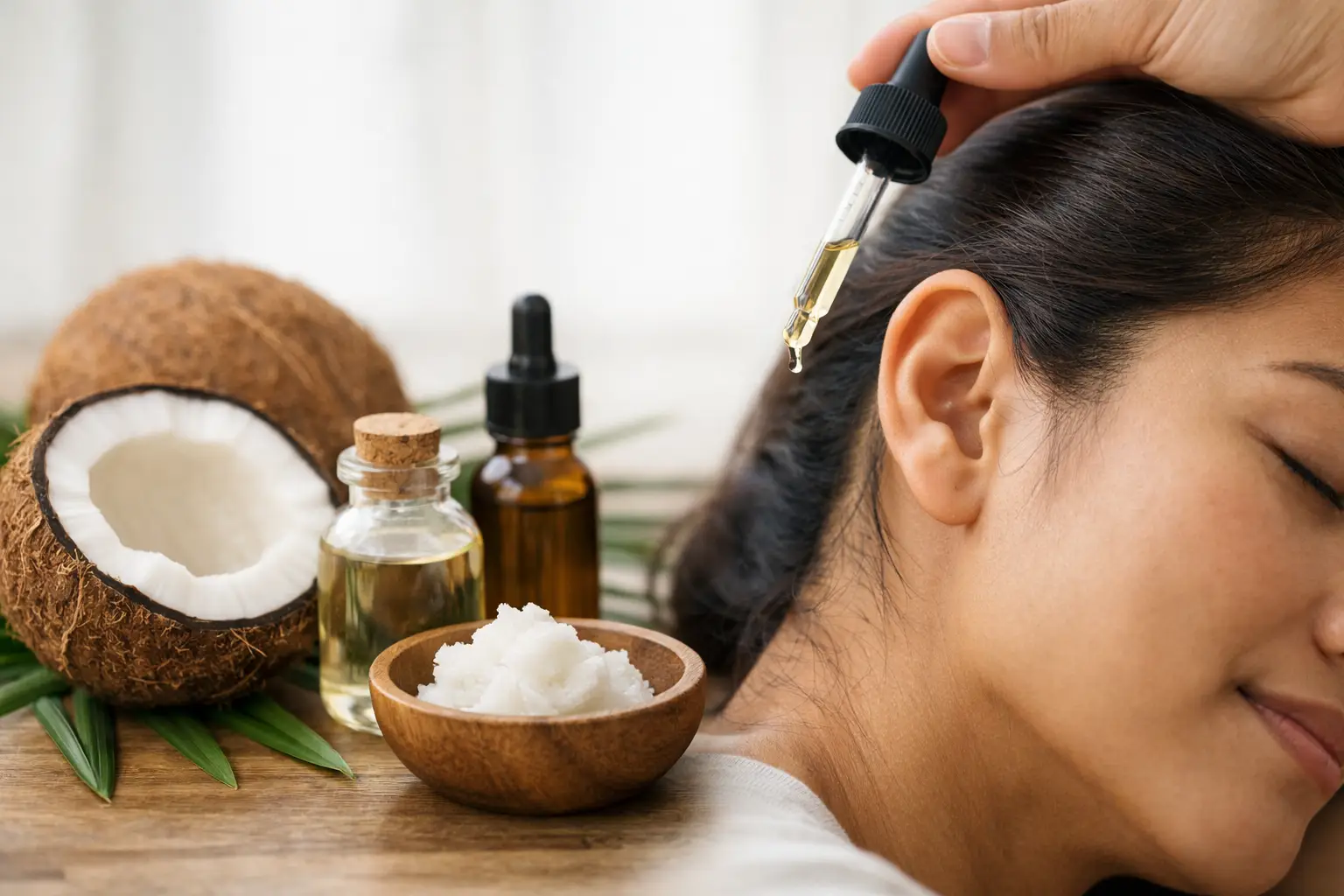
If the itch seems related to dryness or dry wax, the gentlest approach is usually the best one. A few drops of mineral oil, coconut oil, or olive oil are widely considered among the safer options for softening dry earwax and supporting comfort in dry, itchy ears. These oils are commonly used in ENT-informed ear care because they help add moisture rather than stripping it away.
Disclosure: Dr. Stramiello is the founder of Oto Anthro (Otolaryngological Anthropology), the company that makes the Auil ear drops shown below, and SafeEarCare.com provides links to Amazon for purchase. That is a material financial relationship, and we disclose it plainly to remain transparent. The clinical guidance here does not change based on what we sell — any plain, purpose-made single oil will do the same job. Full disclosure.


This is especially helpful for people whose ears feel itchy after earbud use, hearing-aid wear, sweat, or water exposure. In those situations, the issue is often a disrupted moisture balance rather than a need for stronger cleaning.
It also helps to give your ears a break from friction when possible. If earbuds seem to trigger itching, try reducing wear time, cleaning them regularly, and checking fit. If hearing aids are part of the pattern, comfort issues may be tied to dryness, trapped moisture, or surface irritation rather than just the device itself.
Keeping the outer ear clean and dry is reasonable, but the key word is outer. You do not need to scrub inside the canal. A soft cloth for the outer ear is usually enough.
Why are my ears itchy after swimming, sweating, or showering?
Water exposure changes the ear environment fast. Even when ears do not feel clogged, residual moisture can irritate the skin, especially if the canal was already dry or sensitive. Sweat can do something similar, particularly when it gets trapped under earbuds, earplugs, or hearing aids.
This is one of those situations where people often reach for drying agents that are too harsh. A gentler strategy is to apply oil ear drops before or after swimming, avoid sticking anything inside to speed the process, and focus on restoring comfort if the skin feels dry afterward. For many people, prevention is more effective than reaction. Shorter stretches of occlusive wear, dry ears after water exposure, and moisture-supportive care can make a noticeable difference.
But how do I know which ear drops would work best when swimming? This is simple. Mineral Oil Ear Drops are best for swimming pools, or any exposure to chlorinated or chemically-treated water. Coconut Oil Ear Drops are best for salt water exposure and sweat. And Olive Oil Ear Drops are best after fresh water exposure and grime, such as muddy and damp environments.
Earbuds, hearing aids, and itchy ears
If your ears itch mostly when you wear something in them, friction and trapped moisture are strong suspects. Earbuds can rub the entrance of the canal and hold in sweat. Hearing aids can do the same, particularly with long daily wear. Poor fit can add pressure, while very snug fit can increase humidity in the canal.
That does not mean you need to stop using them. It means comfort depends on maintenance and balance. Clean devices regularly, avoid wearing them longer than necessary when your ears feel irritated, and pay attention to whether the itch improves when your ears get recovery time. In Safe Ear Care-style guidance, the goal is not aggressive treatment – it is reducing preventable irritation and supporting the ear’s natural comfort.
When ear itching may need more attention
An occasional itch is common. Persistent itching is different. If the sensation keeps returning, seems to be getting worse, or comes with scaling, noticeable discharge, hearing changes, pain, or dizziness, it is a good idea to have the situation evaluated by a qualified professional. Those signs suggest the cause may be more than everyday dryness or friction.
It also makes sense to get help if you suspect significant wax buildup but are not sure. Trying to fix it at home with repeated swabbing or strong drops can create a bigger problem than the original itch.
A safer mindset for itchy ears
The most useful shift is simple: itchy ears do not usually need more scraping, more cleaning, or stronger ingredients. They often need less interference and more support. The ear canal functions best when its natural oils and wax are left to do their job.
If you keep asking, why are my ears itchy, start by looking at what changed recently. Water exposure, dry weather, earbud wear, hearing-aid use, dry wax, and overcleaning are all common possibilities. Once you identify the likely trigger, the safest next step is usually to reduce irritation and favor gentle moisture-supportive care over harsh products.
A calm, consistent routine is often what helps ears feel normal again – and that is usually a much better long-term strategy than chasing quick fixes.
Check our Trusted Products page for suggestions.
Sources
- Schwartz SR, Magit AE, Rosenfeld RM, et al. Clinical Practice Guideline (Update): Earwax (Cerumen Impaction). Otolaryngology–Head and Neck Surgery. 2017;156(1_suppl):S1–S29. American Academy of Otolaryngology–Head and Neck Surgery Foundation.
- National Institute on Deafness and Other Communication Disorders (NIDCD). Why You Shouldn’t Use Cotton Swabs to Clean Your Ears. National Institutes of Health.
- American Academy of Otolaryngology–Head and Neck Surgery. Earwax (Cerumen Impaction). ENThealth.org.
- American Academy of Otolaryngology–Head and Neck Surgery Foundation. Dos and Don’ts of Earwax (patient handout).
About the Author
Written and medically reviewed by Joshua A. Stramiello, MD, board-certified otolaryngologist (ear, nose, and throat physician). Last reviewed August 6, 2026.
Dr. Stramiello earned his Doctor of Medicine at the University of South Florida Morsani College of Medicine, completed his general surgery internship at Vanderbilt University Medical Center, and completed residency in Otolaryngology–Head & Neck Surgery at the University of California, San Diego. He has cared for ENT patients at Dartmouth-Hitchcock, Sanford Hospital, and West Suffolk Hospital in the UK, and his peer-reviewed research spans pediatric otolaryngology, airway surgery, and ear disease (Google Scholar).
The content on SafeEarCare.com is intended for educational purposes only and should not be considered medical advice. It is not a substitute for professional medical advice, diagnosis, or treatment. Always consult your physician or qualified healthcare provider regarding your individual health needs.
Discover more from Safe Ear Care
Subscribe to get the latest posts sent to your email.

Permalink
Permalink
Permalink
Permalink