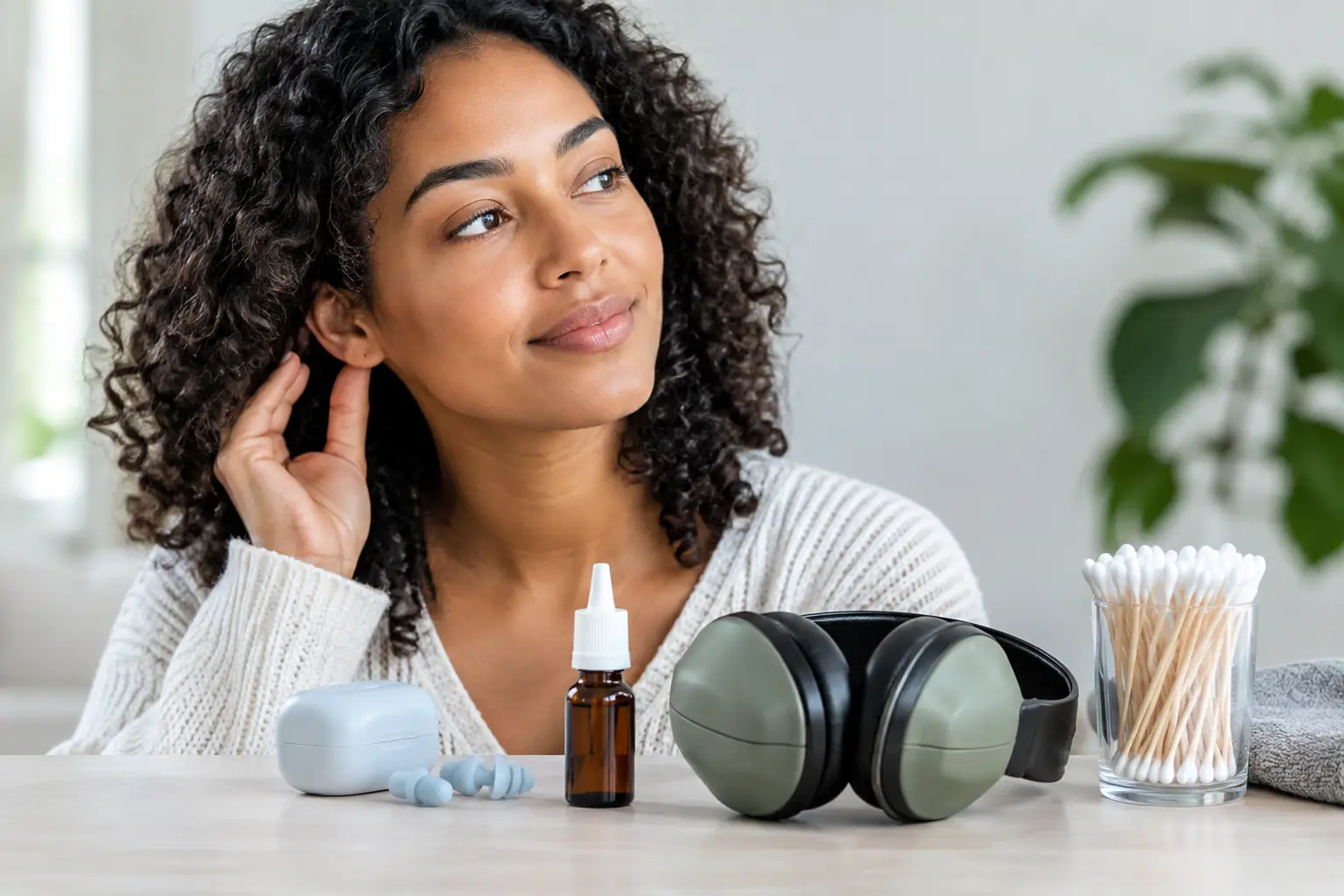
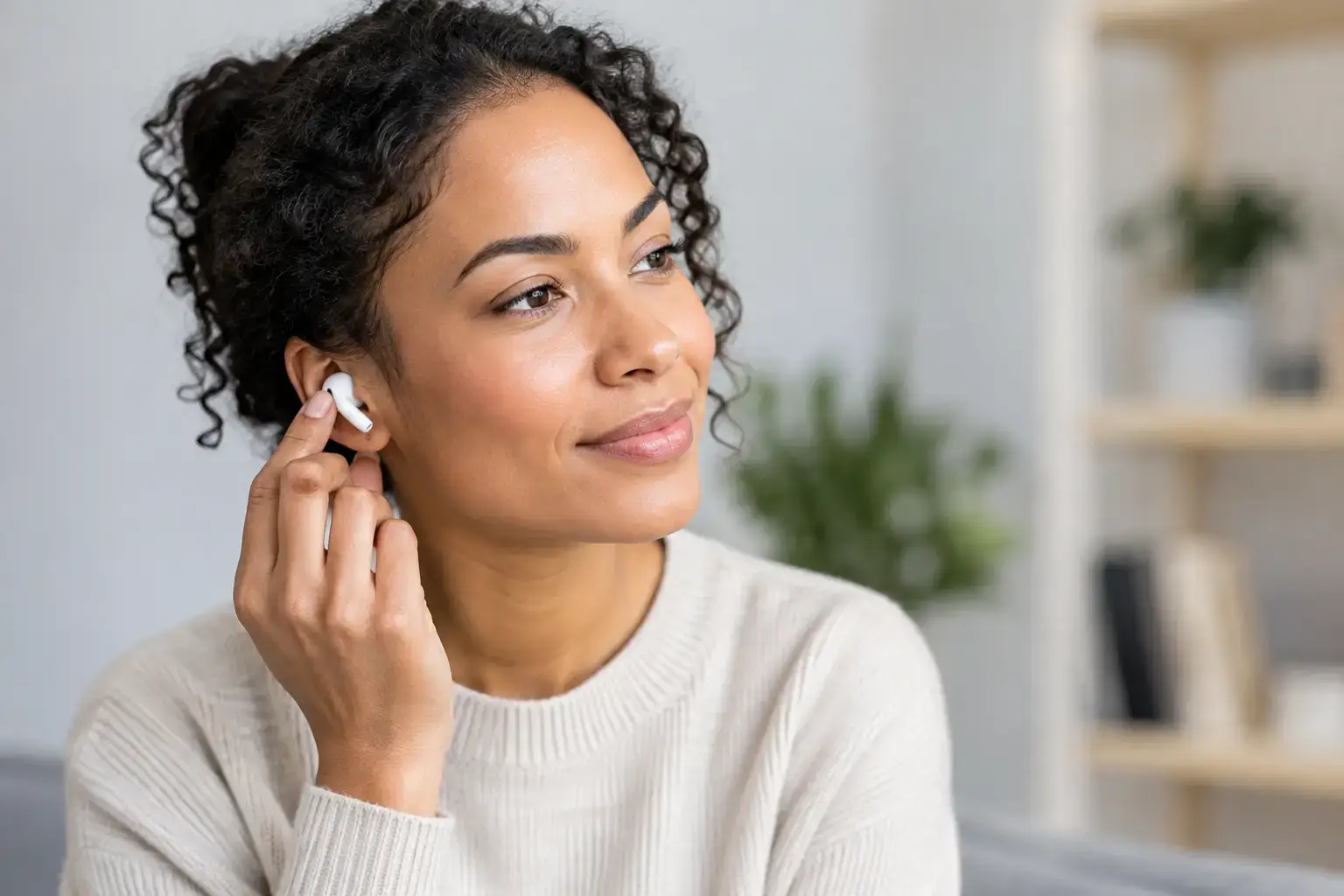

A favorite pair of earbuds can become surprisingly hard to wear when the skin at the ear opening feels rubbed, tender, itchy, or raw. This discomfort is often a friction-and-moisture problem rather than something you need to simply tolerate. Learning how to prevent earbud chafing starts with looking at the contact points: the ear tip, the skin it rests against, and the conditions inside and around the outer ear.
Earbud comfort is not just about finding a softer tip. A good routine also accounts for fit, sweat, cleaning, listening duration, and dry or irritated skin. Small changes can make daily calls, workouts, commutes, and podcasts much more comfortable.
Why earbuds cause chafing
Earbuds sit in a high-friction area. The outer ear canal has delicate skin, limited airflow, and regular exposure to natural earwax, skincare products, sweat, hair products, and water. When an earbud tip presses too firmly or shifts while you move, it can repeatedly rub that skin.
Moisture makes the issue more likely. Sweat from exercise, humidity, damp hair, or wearing earbuds immediately after a shower can soften the skin and make it easier for friction to cause irritation. Long listening sessions can also trap warmth and moisture, especially with snug silicone tips or noise-isolating designs.
Dryness can create the opposite problem with a similar result. Skin that is already dry or flaky may feel more sensitive when an earbud touches it. Some people also react to residue on earbuds, including dried sweat, skin oils, or cleaning products that are not meant for skin contact.
Chafing is usually a useful signal: the current combination of fit, pressure, moisture, and wear time is not working well for your ears.
How to prevent earbud chafing with a better fit
The right earbud should feel secure without needing to be pushed deeply into the ear. If you regularly press an earbud farther in to keep it from falling out, the tip may be too small, the shape may not suit your ear, or the earbud may be intended for a different style of fit.
Try the other tip sizes that came with your earbuds. A larger tip can be more comfortable when a small tip slides around and creates rubbing. On the other hand, a tip that feels tight, leaves an obvious pressure mark, or makes your ear ache may be too large. The best fit is usually stable and lightly sealed, not forceful.
Material matters, too. Silicone tips are common and easy to clean, but some people find that softer foam or alternative silicone shapes reduce movement. Foam can feel gentler because it expands gradually, although it may hold more moisture and needs to be replaced more often. There is no single best material. Comfort depends on how your ears respond, how much you sweat, and how long you wear your earbuds.
It also helps to check each ear separately. Many people have slightly different ear shapes, so using the same tip size on both sides is not always the most comfortable choice.
Avoid forcing a deep seal
A deeper seal can improve sound isolation, but it is not automatically better for your ears. Forcing an earbud inward increases pressure and can create more rubbing at the entrance of the ear canal. If you need strong noise reduction for travel or a noisy office, consider whether an over-ear headset or a less intrusive style would work for part of the day.
The trade-off is sound isolation versus prolonged skin contact. Switching listening styles occasionally can give sensitive areas a welcome break.
Keep earbuds clean without using harsh products
Clean earbuds are less likely to transfer sweat, oils, and debris back onto your skin. This is especially worthwhile after exercise, outdoor use, or sharing a device. Wipe the outer surfaces and removable tips according to the manufacturer’s care instructions, then let everything dry fully before wearing them again.
Avoid soaking earbuds or applying cleaning liquids where they can run into the speaker mesh or charging contacts. Just as importantly, do not use harsh chemicals on the parts that sit against your skin. Residue can be irritating, particularly when earbuds are worn for hours at a time.
Make cleaning a practical habit rather than an occasional rescue step. A quick wipe after sweaty use and a more careful cleaning of removable tips each week can reduce buildup before it becomes noticeable.
Do not forget the charging case. A clean pair of earbuds can pick up lint, residue, and moisture again if the case is dirty. Let earbuds air-dry before closing them in the case, particularly after a workout or a walk in humid weather.
Control sweat and moisture
Putting earbuds into wet ears is one of the easiest ways to turn a comfortable fit into a chafing problem. After showering, swimming, washing your face, or exercising, dry the outside of your ears gently with a clean towel. Give the ear opening time to air-dry before inserting earbuds.
During long workouts, taking a brief earbud break can help. Remove them, wipe away sweat from the outer ear and earbud tips, and wait a minute or two before putting them back in. This may feel inconvenient, but it is often more effective than trying to solve persistent irritation with a tighter fit.
If water exposure is common in your routine, such as frequent swimming or humid outdoor training, reserve earbuds for times when your ears are dry. Open-ear headphones or bone-conduction styles may be useful alternatives for certain activities because they reduce contact at the ear canal entrance. They may not provide the same sound isolation, so choose based on your environment and listening needs.
Support comfortable, non-dry outer-ear skin
The skin around the ear opening does best when it is left alone as much as possible. Avoid scratching, scrubbing, or using cotton swabs inside the ear canal to remove dryness or wax. These habits can create tiny abrasions, push wax deeper, and make earbuds feel uncomfortable afterward.
For people prone to dry, itchy ears or dry earwax, gentle ear-care habits may support comfort. Some consumers prefer ear drops made with simple oils such as mineral oil, coconut oil, or olive oil rather than peroxide, carbamide peroxide, or alcohol-based formulas, which can be drying or irritating for some ears. Use any ear product only as directed, and keep it separate from earbud wear: do not insert earbuds while there is still oil or moisture at the ear opening.
It is also wise to pause and get individualized guidance from a qualified healthcare professional before using ear drops if you have a history of ear surgery, eardrum concerns, ear tubes, or unexplained ear symptoms. Ear discomfort has several possible causes, and a product that is appropriate for one situation may not suit another.
Build breaks into your listening routine
Chafing is more common when earbuds stay in for hours without interruption. Even an excellent fit can become uncomfortable when skin has constant pressure and limited airflow. Aim to remove earbuds periodically during a workday, long flight, study session, or gaming session.
A useful approach is to treat breaks as part of your listening setup. Take them when you refill water, stand up, change tasks, or finish a call. During the break, let your ears and earbuds dry out. This also gives you a chance to notice early tenderness before it becomes a more persistent sore spot.
Lowering the volume can help indirectly, too. When audio is clear at a comfortable level, you may be less tempted to press earbuds in tighter or keep them in longer than necessary to hear over background noise.
Know when to stop wearing earbuds
Do not keep wearing earbuds through worsening discomfort. Take a break if you notice persistent tenderness, cracked skin, swelling, bleeding, drainage, marked itchiness, muffled hearing, or pain that does not settle after removing them. These symptoms deserve prompt attention from a qualified healthcare professional rather than more pressure, cleaning, or experimenting with ear tips.
For mild friction irritation, the simplest step is often a short pause from in-ear devices while the area has time to rest. When you return to earbuds, start with a clean, dry pair and shorter wear periods. If the problem returns quickly, reassess the fit or try a different headphone style.
Your earbuds should make listening easier, not make your ears feel like they need to recover afterward. A lighter fit, clean dry tips, regular listening breaks, and gentler ear-care habits can help keep everyday audio comfortable.
Discover more from Safe Ear Care
Subscribe to get the latest posts sent to your email.