


Written and medically reviewed by Joshua A. Stramiello, MD — board-certified otolaryngologist (ear, nose, and throat physician).
Published June 21, 2026 · Last medically reviewed August 6, 2026 · Sources
Quick answer: Loop earplugs are comfortable and easy to wear for most people thanks to soft silicone tips in multiple sizes — the key is choosing the right tip size and not forcing them deep. Like any in-ear device, they need regular cleaning and occasional breaks to keep ear canals happy.
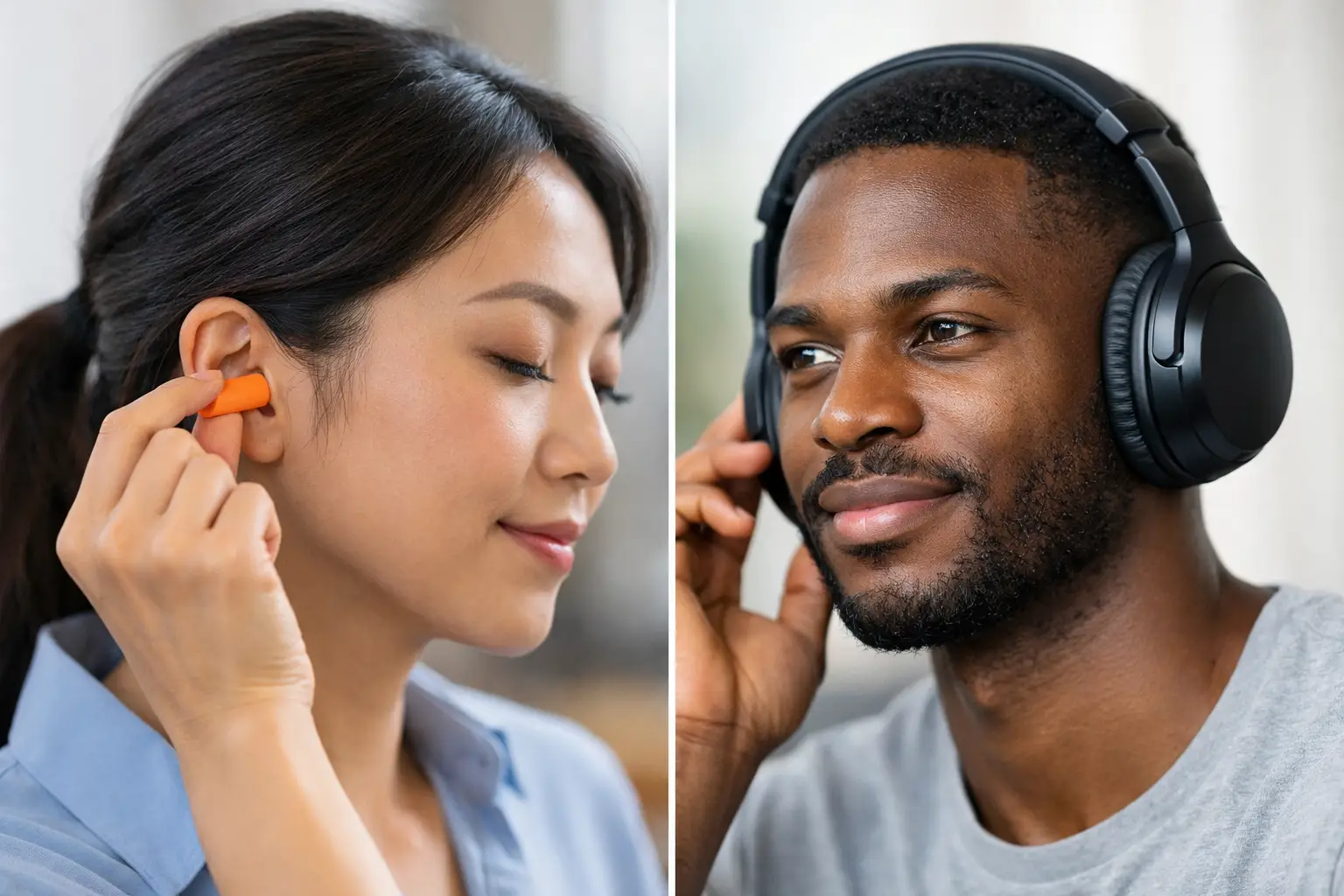
If you have ever taken out a pair of earplugs after an hour and felt sore, itchy, or oddly pressurized, comfort stops being a small detail. In this loop earplug comfort review, the real question is not just whether Loop earplugs reduce sound. It is whether they stay comfortable long enough to be useful in everyday life.
That matters more than many shoppers expect. Earplugs that look stylish or promise strong noise reduction can still be a poor match if they create pressure in the ear canal, rub sensitive skin, or feel too noticeable during sleep, commuting, or long events. From an ear-care standpoint, comfort is part of safe use. If a product bothers your ears, you are more likely to adjust it too often, wear it incorrectly, or stop using hearing protection when you actually need it.1
What this loop earplug comfort review focuses on
Loop earplugs are designed differently from the classic foam plug. Instead of expanding deep inside the ear canal, they usually rely on a silicone tip and a ring-shaped outer design that sits more visibly at the ear opening. For some people, that design is a major advantage. It can feel less invasive than foam and easier to insert consistently. For others, it creates a different kind of awareness – not deep pressure, but a steady sense that something is sitting at the entrance of the ear.
Comfort with Loop earplugs tends to depend on four things: tip size, ear canal shape, how long you wear them, and what you are doing while wearing them. That is why reviews on comfort can sound contradictory. One person says they forget they are wearing them. Another says they feel sore after thirty minutes. Both can be true.
First impression: softer than foam, but more fit-sensitive
Most people who switch from disposable foam earplugs notice one immediate difference. Loop-style earplugs usually feel softer and less aggressively tight at first. There is no waiting for foam to expand, and there is often less of that plugged-up sensation that some users dislike.
At the same time, they are more fit-sensitive than they appear. Foam can sometimes adapt to a wider range of ear canals because it compresses and expands. Silicone tips are less forgiving. If the included tip is slightly too small, the earplug may feel loose or require frequent readjustment. If it is slightly too large, you may notice soreness, pressure, or friction fairly quickly.
That does not make Loop earplugs uncomfortable by default. It means comfort is often decided by sizing more than by the product itself. A person who picks the correct tip may have a very positive experience. A person using the wrong size may assume the whole design is uncomfortable.
The pressure question
Pressure is one of the biggest comfort issues people mention with any earplug. With Loop earplugs, that pressure usually shows up in a milder way than with tightly expanded foam, but it can still happen. Some users describe a full feeling rather than pain. Others notice jaw movement makes the fit feel tighter, especially while talking, chewing, or lying on one side.
If your ears are already sensitive from frequent earbud use, dryness, or irritation, even light pressure can become noticeable. That is why gentle insertion and accurate tip sizing matter so much.
Comfort during different activities
A useful loop earplug comfort review has to separate everyday scenarios, because the same earplug can feel great in one setting and frustrating in another.
For concerts, commuting, and public spaces
This is where many people find Loop earplugs most comfortable. They are usually easier to put in quickly than foam, and once seated well, they can stay stable without constant expansion pressure. For short to moderate wear in upright positions, comfort is often above average.
They also tend to feel more socially acceptable for people who dislike the look of standard foam earplugs. That may sound minor, but if you are more willing to wear hearing protection consistently, that is a practical benefit.
For work, studying, and long wear
Long wear is where comfort becomes more individual. A well-fitted pair can stay comfortable for several hours. But if there is even slight rubbing at the canal entrance, you may notice it more as time passes. Warm environments and sweat can also make silicone tips feel stickier or more noticeable.
If you wear hearing aids, earbuds, or in-ear devices regularly, your ear canals may already be a little more sensitive than average. In that case, alternating wear time and giving your ears short breaks can help reduce irritation.
For sleep
Sleep is the toughest comfort test. Side sleepers, in particular, often struggle with any earplug that has a structured outer body. Even when the ear tip itself feels soft, the outer loop design may press against the pillow and create soreness over time.
Back sleepers may do better. Side sleepers may still prefer very soft low-profile plugs made specifically for sleep, depending on their ear shape and pillow firmness. This is one area where Loop earplugs are not automatically the best choice just because they feel comfortable during the day.
Where comfort can go wrong
The biggest comfort mistake is assuming deeper insertion is better. With silicone earplugs, forcing them in can create pressure and irritation without improving the seal. The second common mistake is wearing the wrong tip size for too long before switching.
Dry or itchy ears can also change the experience. An ear canal with dry skin is often more reactive to friction, especially with repeat insertion and removal. If you notice earplug use leaves your ears feeling scratchy or tender, it may be worth looking at your overall ear comfort habits, not just the earplug design.
ENT-informed ear care generally favors avoiding harsh ingredients in the ears, especially when dryness or irritation is part of the problem. For people who deal with dry ear canals or wax that feels hard and uncomfortable, simple oil-based support is often a gentler option. Mineral oil, coconut oil, and olive oil ear drops are commonly preferred for softening dry wax and supporting ear comfort,2 while peroxide-based and alcohol-based drops can be more irritating for some users.
How Loop earplugs compare with other common options
Compared with basic foam earplugs, Loop earplugs often win on feel during insertion, reusability, and appearance. They may lose on universal fit, because foam can adapt more easily to unusual canal shapes.
Compared with many in-ear earbuds, Loop earplugs can actually feel better for some people because they are lighter and have a simpler purpose. But people who already struggle with earbud discomfort should not assume Loop earplugs will automatically solve that issue. The same ear anatomy factors still apply.
Compared with wax or moldable plugs, Loop earplugs tend to feel more secure for daytime movement but less forgiving for sleep, especially if your ear is pressed into a pillow.
Who is most likely to find them comfortable
People with average ear canal sensitivity, a good tip-size match, and a need for daytime sound reduction are the strongest candidates for a comfortable experience. If you want reusable earplugs for events, travel, shared offices, or urban noise, Loop earplugs are often easy to tolerate once fitted properly.
They may be less comfortable if you are a side sleeper, have very small or very sensitive ear canals, or tend to get irritation from any in-ear product. They can also be a mixed experience for people with chronic dryness or frequent ear itching, since repeated contact at the canal entrance may still be noticeable.
A balanced comfort verdict
So, are Loop earplugs comfortable? For many adults, yes – but not in a universal, one-size-fits-all way. Their comfort is usually better than cheap foam for short and moderate daytime use, especially when the fit is correct. They are less reliably comfortable for sleep and less forgiving when sizing is off.
That is the most honest takeaway from a loop earplug comfort review. They are not uncomfortable by design, and plenty of users wear them happily for hours. But comfort depends heavily on ear shape, activity, and whether your ears are already prone to dryness, irritation, or sensitivity from frequent in-ear use.
If you try them, pay close attention to what your ears are telling you in the first few uses. Mild awareness is normal with any earplug. Ongoing soreness, itchiness, or pressure is not something to push through. The best hearing protection is the kind you can wear consistently and comfortably, without leaving your ears feeling worse afterward.
Sometimes the smartest ear-care decision is not finding the most popular product. It is finding the one your ears will actually accept, day after day.
Sources
- National Institute on Deafness and Other Communication Disorders (NIDCD). Hearing, Ear Infections, and Deafness. National Institutes of Health.
- American Academy of Otolaryngology–Head and Neck Surgery. Earwax (Cerumen Impaction). ENThealth.org.
- American Academy of Otolaryngology–Head and Neck Surgery Foundation. Dos and Don’ts of Earwax (patient handout).
About the Author
Written and medically reviewed by Joshua A. Stramiello, MD, board-certified otolaryngologist (ear, nose, and throat physician). Last reviewed August 6, 2026.
Dr. Stramiello earned his Doctor of Medicine at the University of South Florida Morsani College of Medicine, completed his general surgery internship at Vanderbilt University Medical Center, and completed residency in Otolaryngology–Head & Neck Surgery at the University of California, San Diego. He has cared for ENT patients at Dartmouth-Hitchcock, Sanford Hospital, and West Suffolk Hospital in the UK, and his peer-reviewed research spans pediatric otolaryngology, airway surgery, and ear disease (Google Scholar).
The content on SafeEarCare.com is intended for educational purposes only and should not be considered medical advice. It is not a substitute for professional medical advice, diagnosis, or treatment. Always consult your physician or qualified healthcare provider regarding your individual health needs.
Discover more from Safe Ear Care
Subscribe to get the latest posts sent to your email.